


At Nephcure, our mission is to educate, support, and empower patients and families affected by rare kidney diseases. These conditions are often complex, underdiagnosed, and misunderstood, which can make the journey overwhelming. By translating insights from blog article transcripts into clear, approachable content, Nephcure helps families and patients understand key symptoms, genetic risks, and underlying causes of kidney disease.
In this article, we’ll explore three critical topics: nephrotic syndrome symptoms, apol1 kidney disease, and causes of focal segmental glomerulosclerosis. Understanding these elements can improve early recognition, guide treatment, and support better outcomes.
Why Awareness and Education Matter
Rare kidney diseases often develop silently. Symptoms may be subtle or mistaken for other health issues, delaying diagnosis and care. Awareness empowers patients and families to:
- Recognize early warning signs
- Seek timely evaluation and treatment
- Understand available treatment options
- Advocate effectively with healthcare providers
Nephcure believes that informed patients are stronger and better equipped to manage their health.
Nephrotic Syndrome: Recognizing the Symptoms
What Is Nephrotic Syndrome?
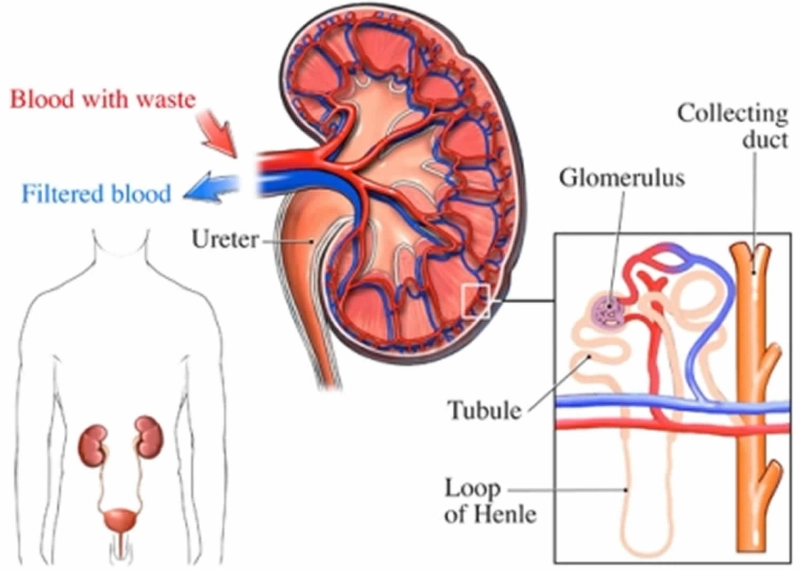
Nephrotic syndrome is a kidney disorder characterized by significant protein loss in the urine due to damage in the kidney’s filtering units, called glomeruli. This protein loss can lead to swelling, increased cholesterol levels, and a higher risk of infections.
Common nephrotic syndrome symptoms
Identifying nephrotic syndrome symptoms early is critical for effective care. Common signs include:
- Swelling (edema) in the legs, feet, or around the eyes
- Frothy or foamy urine caused by proteinuria
- Fatigue or low energy
- Weight gain due to fluid retention
- Increased susceptibility to infections
Early recognition of these symptoms can help healthcare providers intervene promptly and slow the progression of kidney damage.
Managing Nephrotic Syndrome
Management focuses on reducing protein loss, controlling symptoms, and preserving kidney function:
- Medications to reduce proteinuria and control blood pressure
- Diuretics to manage swelling
- Dietary modifications to support kidney health
- Regular monitoring to track kidney function and protein levels
Nephcure emphasizes the importance of patient education and collaboration with specialized kidney care teams for effective management.
APOL1 and Kidney Disease
Understanding the APOL1 Gene
Apol1 kidney disease refers to kidney conditions associated with specific variants of the APOL1 gene. These variants are most common in individuals of African ancestry and increase the risk of kidney disease.
How APOL1 affects kidney health
While not everyone with APOL1 gene variants develops kidney disease, those with high-risk variants are more prone to:
- Focal segmental glomerulosclerosis (FSGS)
- Rapid progression of chronic kidney disease
- Hypertension-related kidney damage
APOL1 variants originally evolved to protect against certain infections, but they can also affect kidney filtration and overall kidney function over time.
Importance of APOL1 Awareness
Understanding genetic risk allows for:
- Early monitoring of kidney function
- Preventive interventions to protect kidney health
- Informed discussions with healthcare providers
- Participation in research studies or clinical trials
Nephcure supports ongoing research to better understand APOL1 kidney disease and identify effective strategies to reduce risk.
Focal Segmental Glomerulosclerosis (FSGS): Causes and Insights
What Is FSGS?
Focal segmental glomerulosclerosis (FSGS) is a kidney disease that causes scarring in some of the glomeruli. This scarring reduces kidney filtration efficiency, leading to proteinuria and, over time, potential kidney failure.
Exploring the causes of focal segmental glomerulosclerosis
Understanding the causes of focal segmental glomerulosclerosis is crucial for developing a targeted treatment plan. Key contributors include:
- Genetic mutations: Some inherited gene changes increase susceptibility
- Secondary factors: Obesity, infections, certain medications, or other medical conditions can trigger FSGS
- Immune system abnormalities: Dysfunctional immune responses may contribute to kidney damage
- Idiopathic cases: In many patients, the exact cause is unknown
Identifying the underlying cause helps healthcare providers select the most effective therapies and manage the condition proactively.
Treatment Approaches
FSGS treatment is highly individualized and may involve:
- Medications to reduce proteinuria and inflammation
- Blood pressure management to protect kidney function
- Lifestyle changes including diet and exercise
- Advanced therapies in severe or progressive cases
Shared Themes Across These Conditions
Although nephrotic syndrome symptoms, apol1 kidney disease, and causes of focal segmental glomerulosclerosis represent distinct conditions, they share common elements:
- Early detection is critical for improved outcomes
- Protein loss in the urine is a key indicator
- Genetic and immune factors often play a significant role
- Long-term monitoring and care are essential
Nephcure provides resources and education to help patients and families navigate these challenges with confidence.
Living With Rare Kidney Disease
Managing a rare kidney condition can impact daily life, emotional well-being, and family dynamics. Support strategies include:
- Accessing reliable educational resources
- Maintaining clear communication with healthcare providers
- Joining peer support networks and community groups
- Staying informed about research and clinical trial opportunities
Nephcure is committed to supporting patients and families every step of the way.
Nephcure’s Commitment to Awareness and Research
At Nephcure, we are dedicated to raising awareness, supporting research, and providing resources for rare kidney diseases. By educating communities about nephrotic syndrome symptoms, apol1 kidney disease, and causes of focal segmental glomerulosclerosis, we empower patients and families to make informed decisions and advocate for their care.
Our initiatives include:
- Supporting patient-centered research initiatives
- Providing educational resources for families and clinicians
- Advocating for improved treatment options
- Building strong patient and caregiver communities
Final Thoughts
Rare kidney diseases can be complex, but understanding symptoms, genetic risks, and causes allows patients and families to take control of their health journey. Awareness of nephrotic syndrome symptoms, apol1 kidney disease, and causes of focal segmental glomerulosclerosis enables early intervention and informed care decisions.
Nephcure remains committed to education, advocacy, and hope—because informed patients and families are empowered to protect kidney health and improve outcomes.