



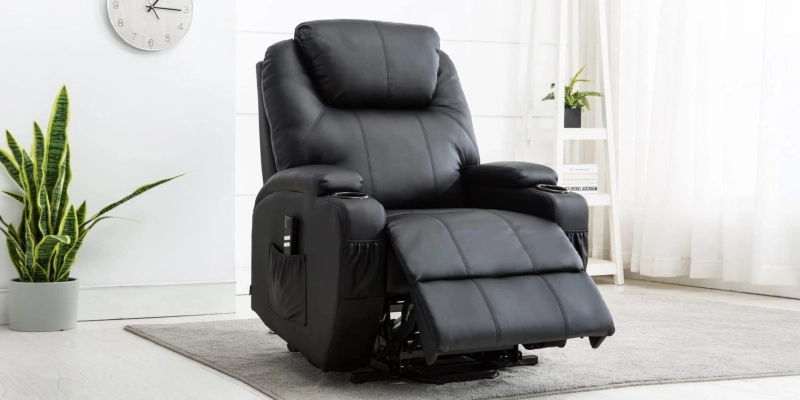
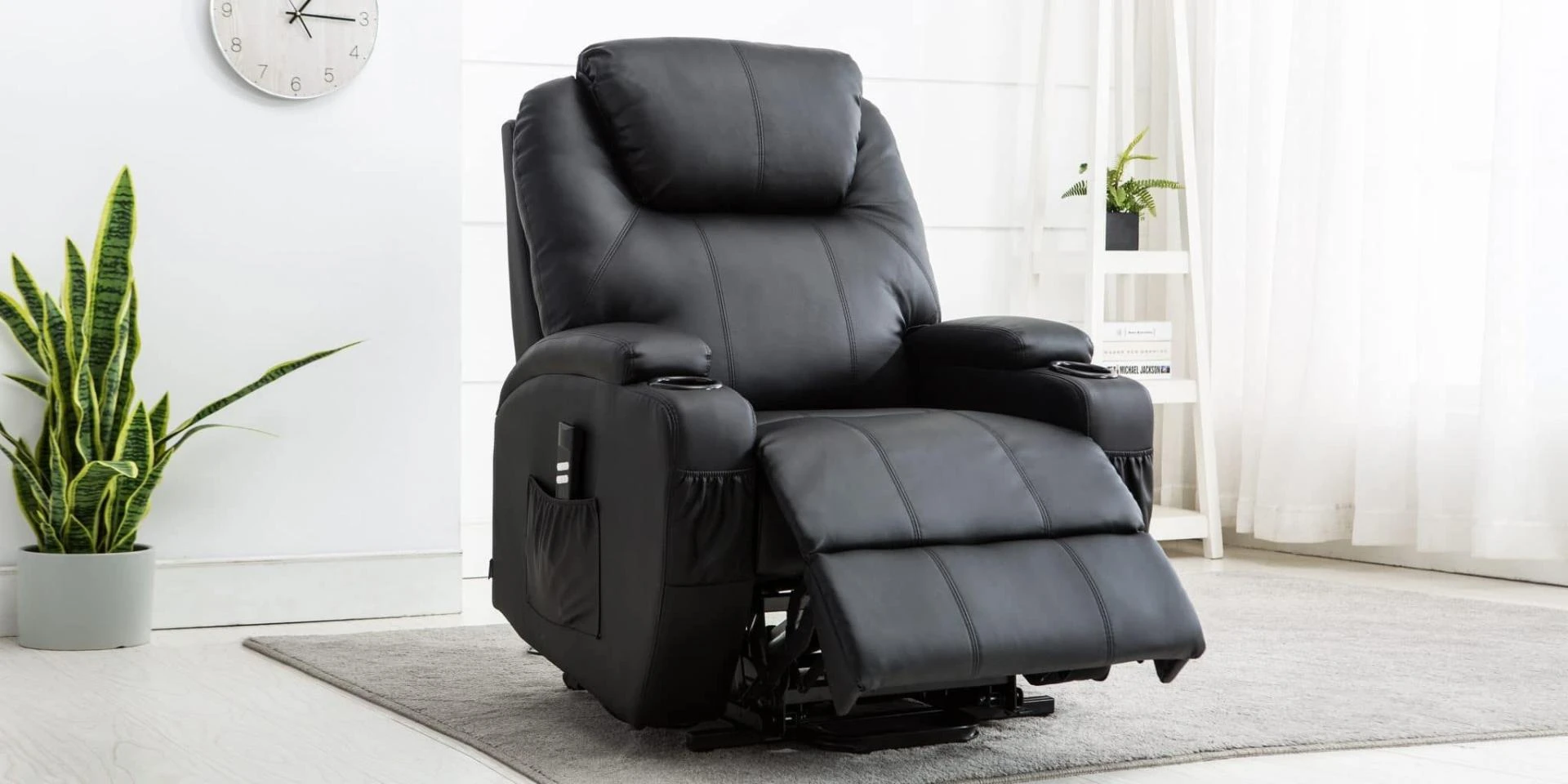
 The Recliner Chair Market is undergoing significant shifts due to evolving consumer habits, wellness-focused lifestyles, and the widespread adoption of hybrid work models. These transformations are influencing product design, buyer expectations, and brand strategies in a profound way.
Lifestyle Redefinition Post-Pandemic
One of the most notable shifts is how recliners are no longer seen merely as luxury living room additions. In today’s post-pandemic world, they have become essentials for those seeking home-based comfort, relaxation, and physical recovery. With remote work blending professional and personal spaces, recliners are being integrated into multifunctional settings like home offices, dens, and bedrooms.
This redefinition is pushing furniture makers to rethink their product lines to suit wellness-driven routines, ranging from postural support during screen time to nap-ready reclining capabilities.
From Passive Seating to Active Well-being Tools
A growing number of recliner buyers now consider features that support health and wellness. Adjustable lumbar support, heat therapy, zero-gravity positioning, and massage functionalities are becoming standard in mid- to high-end models. These wellness features align with rising consumer consciousness about ergonomics and long-term posture care.
Consumers are willing to invest more in furniture that offers both aesthetic value and tangible health benefits. This has led to a shift toward recliners that actively contribute to mental and physical well-being.
Design Shifts: Minimalist, Modular, and Tech-Integrated
Recliner designs are transitioning from bulky, oversized formats to minimalist, modular, and space-saving alternatives. Clean lines, compact frames, and neutral palettes dominate urban preferences, especially in apartments and smaller homes.
Moreover, recliners are increasingly embedded with technology. USB charging ports, Bluetooth connectivity, app-controlled recline functions, and integrated speakers are becoming common. These tech-integrated designs appeal to millennials and Gen Z buyers who prioritize smart functionality in everyday products.
Rise of Sustainable Manufacturing and Materials
Another critical shift in the recliner chair market is toward sustainability. Consumers are asking more questions about the environmental footprint of their furniture. In response, brands are investing in eco-friendly materials like recycled fabrics, FSC-certified wood, and water-based finishes.
The shift is also being shaped by broader ESG mandates, especially in developed markets. Manufacturers that can show compliance with green standards while maintaining affordability will gain a decisive edge.
Changing Retail Landscape and Customization
With digital-first preferences growing, recliner purchases are increasingly happening online. Yet this shift hasn’t lessened the desire for a hands-on, personalized experience. Brands are countering this by offering AR-based tools for in-room product previews, virtual assistants for style recommendations, and made-to-order options to suit individual preferences.
This evolution in buying behavior is changing how recliner manufacturers interact with their customers, emphasizing data-driven product suggestions and personalized marketing.
Generational Shift in Buyers
The recliner market is no longer dominated by older adults. Younger consumers are now a fast-growing demographic. They look for products that reflect lifestyle fluidity, sustainability values, and digital convenience. Their preferences lean toward recliners that double as work chairs or entertainment loungers—highlighting the need for multifunctionality.
This generational shift is compelling brands to modernize their marketing, focusing more on social proof, influencer collaborations, and lifestyle branding.
Distribution Model Adjustments
Traditional retail outlets are no longer the sole channel. Brands are increasingly shifting toward DTC (Direct-to-Consumer) models, reducing costs and improving customer service. This move also provides more control over branding, data collection, and post-sale engagement.
Subscription and leasing models are also emerging, allowing users to access premium recliners without the upfront investment—a major draw for urban renters and temporary dwellers.
Conclusion
The Recliner Chair Market is shifting rapidly, driven by changes in how people live, work, and recover. From compact, wellness-oriented designs to tech-integrated functionality and eco-conscious manufacturing, every facet is evolving. Companies that align with these shifting behaviors and expectations are best positioned to thrive in this competitive, consumer-driven landscape.