



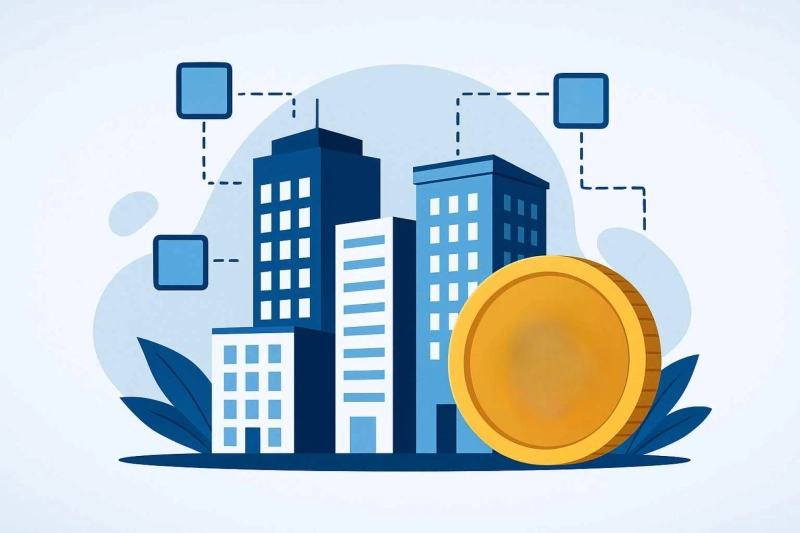
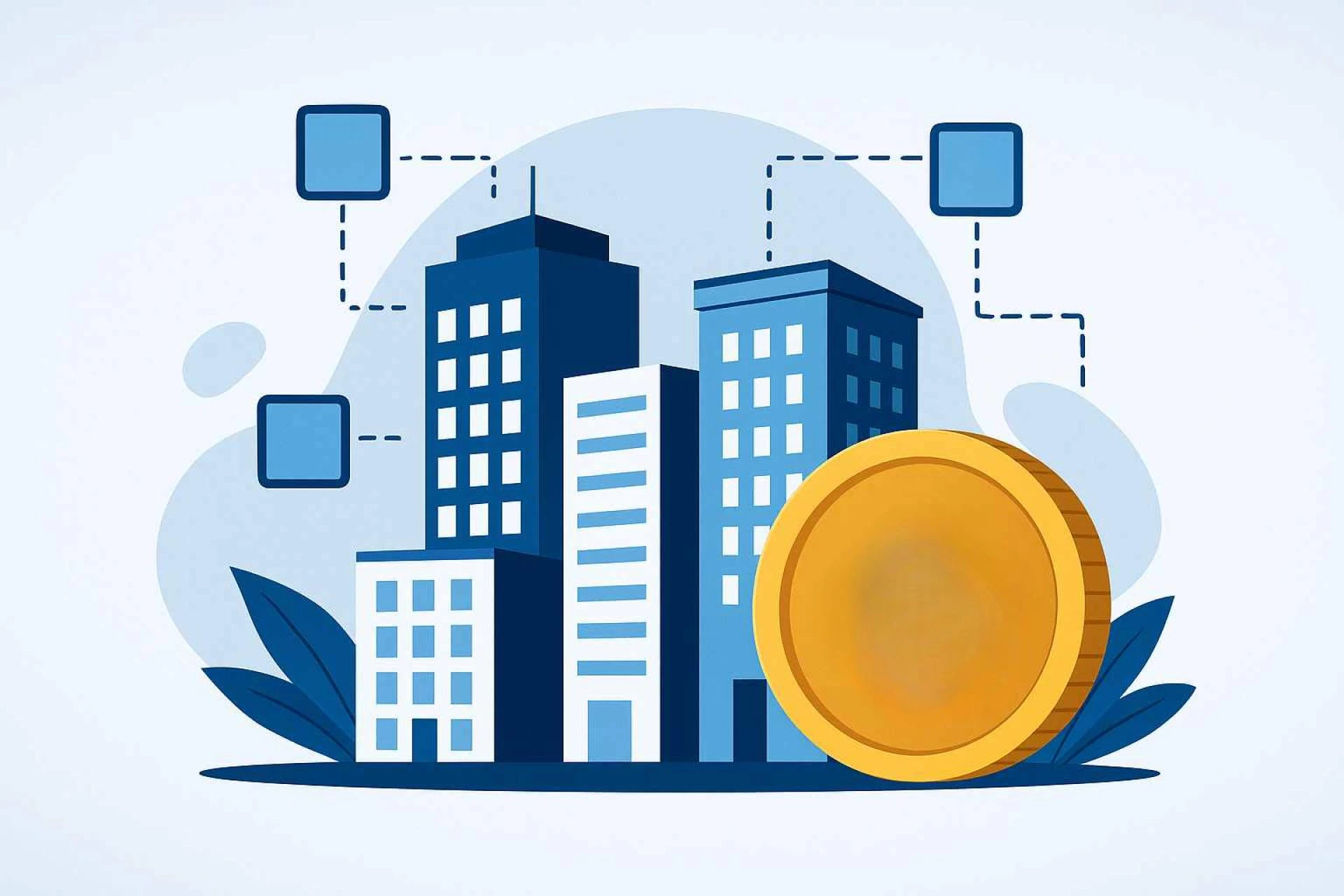
In 2025, the convergence of real estate tokenization and commodity markets is transforming the investment landscape. By leveraging blockchain technology, this fusion democratizes access, enhances liquidity, and introduces innovative financial instruments. This detailed guide explores how these two sectors are merging, the benefits and challenges involved, and the implications for investors and the global economy.
Understanding Tokenization: A Brief Overview
Tokenization refers to converting ownership rights of real-world assets like real estate, commodities, or intellectual property into digital tokens on a blockchain. Each token represents a share of the underlying asset and can be traded, sold, or held, providing digital proof of ownership. This approach increases liquidity, reduces transaction costs, and opens investment opportunities to a global audience.
The Rise of Real Estate Tokenization
1. Democratizing Property Investment
Traditionally, investing in real estate required substantial capital and was often limited to high-net-worth individuals or institutional investors. Tokenization lowers these barriers, allowing individuals to invest in fractional shares of properties. Investors can now participate with smaller amounts, making real estate investment accessible to a wider pool of people globally.
2. Enhanced Liquidity and Transparency
Tokenized real estate assets can be traded on blockchain platforms, offering greater liquidity than traditional property investments. Blockchain ensures all transactions are immutable and transparent, reducing fraud risks and building trust among investors.
3. Institutional Adoption and Market Growth
Major financial institutions are increasingly adopting real estate tokenization to streamline operations and improve accessibility. As adoption grows, tokenized real estate markets are expanding rapidly, attracting both retail and institutional investors looking for innovative ways to invest in property.
Commodities: The Next Frontier in Tokenization
1. Tokenizing Physical Commodities
Tokenization is extending beyond real estate into commodities. Physical assets like gold, oil, and agricultural products are now being represented as digital tokens. These tokens can be fractionally owned and traded on blockchain platforms, enabling more efficient, transparent, and accessible investment in commodities.
2. Integrating Stablecoins and Commodity Trading
Cryptocurrency companies are exploring ways to integrate stablecoins with commodity markets to streamline transactions. By using digital currencies, cross-border payments in commodities become faster, cheaper, and more secure, transforming the global commodities trade.
3. Institutional Interest in Tokenized Commodities
Financial institutions are exploring tokenized commodities to bring traditional markets onto blockchain platforms. By merging conventional and digital finance, tokenized commodities can be traded more efficiently, with improved transparency and reduced reliance on intermediaries.
Synergies Between Real Estate and Commodities Tokenization
The intersection of real estate and commodities tokenization offers several benefits:
1. Diversified Investment Portfolios
Investors can diversify portfolios by holding tokenized assets from both sectors. Combining tokenized real estate properties with commodities like gold or oil reduces risk and enhances return potential.
2. Hedging Opportunities
Tokenized commodities can act as a hedge against inflation or currency fluctuations. Gold-backed tokens offer a store of value, while tokenized real estate provides potential appreciation and rental income, creating balanced investment strategies.
3. Integrated Blockchain Ecosystems
Blockchain allows the creation of integrated ecosystems where tokenized real estate and commodities can be traded on the same platforms. This facilitates seamless transactions, enhanced liquidity, and better market accessibility for investors.
Challenges and Considerations
Despite the benefits, tokenization of real estate and commodities faces several challenges:
1. Regulatory Uncertainty
Regulations for tokenized assets are still evolving globally. Some countries have implemented strict controls or temporarily paused tokenization activities. Investors need to stay updated on regulatory changes in their jurisdictions to ensure compliance and mitigate legal risks.
2. Technological Barriers
Effective tokenization requires robust blockchain infrastructure. Challenges such as scalability, interoperability between platforms, and security must be addressed for widespread adoption. Technical limitations can affect transaction speed, reliability, and user experience.
3. Market Volatility
Commodity prices are inherently volatile due to geopolitical events, supply-demand fluctuations, and economic shifts. Tokenized commodities carry similar risks, and investors must prepare for potential market swings.
The Future Outlook
The integration of real estate and commodities tokenization is set to redefine the investment landscape. As blockchain technology matures and regulatory frameworks become clearer, adoption is expected to accelerate. Fractional ownership, enhanced liquidity, and global accessibility make tokenized real estate and commodities attractive for both retail and institutional investors.
Conclusion
In 2025, the fusion of real estate and commodities tokenization is creating a new paradigm in investing. Blockchain technology enables innovative solutions that democratize access, enhance liquidity, and offer diversified investment opportunities. While challenges remain, ongoing advancements and increased adoption signal a promising future for tokenized assets in the global financial ecosystem.