



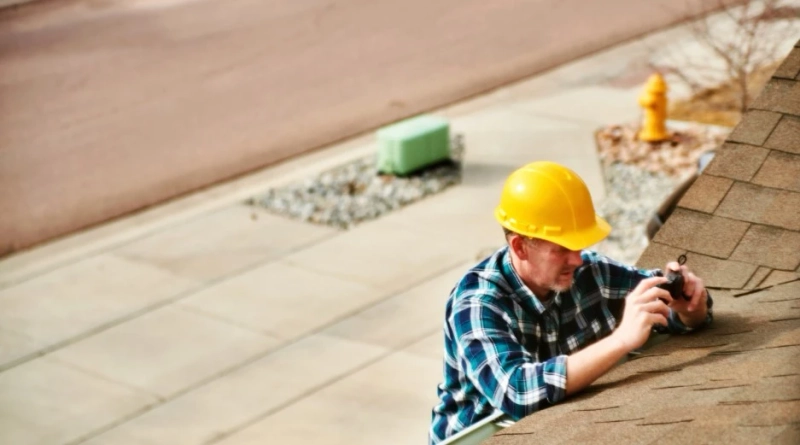
When it comes to home inspections, buyers often expect a thorough report that uncovers every possible risk. Foundation cracks? Check. Roof damage? Definitely. Electrical issues? Of course. But there’s one silent threat that even experienced home inspectors can overlook — radon gas.
In this article, we’re pulling back the curtain on radon testing. You’ll learn why it matters, how it works, and — most importantly — what your home inspector might miss if they don’t specialize in this often-overlooked hazard. Whether you’re buying, selling, or just living in your home, radon testing is not something to ignore.
What Is Radon and Why Should You Care?
Radon is a colorless, odorless, and tasteless radioactive gas. It forms naturally from the breakdown of uranium in soil, rock, and water. The gas can seep up through the ground and enter your home through foundation cracks, sump pumps, crawl spaces, and even well water.
Here’s the scary part: According to the Environmental Protection Agency (EPA), radon is the second leading cause of lung cancer in the United States, right after smoking. And because it’s invisible and undetectable without proper testing, many homeowners are breathing it in every day without knowing.
Can You See or Smell Radon? Nope — That’s the Problem
You can't see it. You can't smell it. And unless you're actively testing for it, you won't even know it's there. That makes radon one of the most dangerous hidden risks in real estate.
Many homeowners assume that if their home looks clean and structurally sound, there’s no problem. But radon doesn’t care how new or nice your home is — it can affect old and new construction alike.
The Role of Home Inspectors: What They Usually Check
Home inspectors are trained to evaluate a home’s structure, systems, and safety features. During a standard inspection, they’ll typically assess:
- Roof and attic
- Plumbing systems
- Electrical panels and wiring
- HVAC systems
- Appliances
- Foundation and basement
- Insulation and ventilation
However, unless you specifically request it, radon testing is not part of a typical home inspection. And that’s where problems begin.
Why Radon Testing Isn’t Always Included
Here’s the deal: Not all home inspectors are certified to perform radon testing. Some don’t offer it at all. Others may use basic tools that give a quick read but not the most accurate results. It’s not that they’re trying to cut corners — they’re just not required to include it in the general inspection unless asked.
That means if you’re relying on your inspection report to uncover all possible dangers, you might be missing a big one.
Radon Can Be Localized — and Highly Variable
Even if your neighbor’s house tested low for radon, that doesn’t mean yours will. Radon levels can vary dramatically from one home to the next, depending on:
- Soil composition
- Cracks in the foundation
- Construction style
- Air pressure differences
- Ventilation patterns
You could have a high-radon home in a low-radon neighborhood. The only way to know is through accurate testing.
How Professional Radon Testing Works
There are two main types of radon tests: short-term and long-term.
Short-Term Testing
This test usually lasts 2 to 7 days. It’s a fast way to get a snapshot of radon levels, often used during real estate transactions. Devices are placed on the lowest livable level of the home and left undisturbed. After the testing period, the equipment is collected and analyzed.
Long-Term Testing
This test lasts 90 days to a full year and provides a more accurate picture of your average radon exposure. It accounts for seasonal variations, weather changes, and HVAC usage, all of which can affect radon levels.
The Equipment Matters — Cheap Devices Can Give False Readings
Some inspectors or homeowners might use DIY radon kits from a hardware store. While these are better than nothing, they’re not always reliable. Professional-grade continuous radon monitors (CRMs) are more accurate, tamper-resistant, and track readings over time.
If your inspector uses outdated or low-cost equipment, you could be basing your decisions on incomplete or incorrect data.
What Happens If Elevated Radon Is Found?
The EPA recommends mitigation if radon levels are 4.0 pCi/L (picocuries per liter) or higher. But many experts now suggest that even lower levels (between 2.0 and 3.9 pCi/L) can still pose health risks over time.
Mitigation systems usually involve:
- Sub-slab depressurization: A vent pipe and fan draw radon from below the house and release it safely above the roofline.
- Sealing foundation cracks and entry points
- Increasing ventilation in crawl spaces or basements
The average cost for radon mitigation ranges from $800 to $2,500, depending on the complexity of the system.
How to Make Sure Your Inspector Doesn’t Miss It
If you're buying or selling a home — or just concerned about your current living space — here are some steps to take:
- Ask if radon testing is included in the inspection package.
- Request the inspector’s radon certification.
- Ask about the type of equipment used.
- Consider hiring a separate, certified radon specialist if necessary.
- Don’t assume a low-risk zip code means you’re in the clear.
What If You Already Bought the Home?
If you didn’t test for radon during the buying process, it’s not too late. You can order a professional radon test anytime — and many states offer free or discounted testing kits through public health departments.
Catching the issue early means you can mitigate the risk and protect your health and your home’s value.
Radon and Real Estate: Disclosure Laws Matter
Many states now require radon disclosures during real estate transactions. But the level of enforcement and requirements varies widely.
Some key points:
- In some states, sellers must disclose known radon levels, even if no mitigation system is in place.
- In others, testing is encouraged but not required.
- Smart buyers ask for a radon test as part of their due diligence — and may even negotiate the cost of mitigation as part of the deal.
Final Thoughts: Don’t Let Radon Catch You Off Guard
Radon might be invisible, but the risks it poses are real. Lung cancer from radon exposure kills thousands of Americans every year — and most of them never smoked a day in their lives.
Your home inspector might be excellent, but unless they’re trained and equipped for radon testing, you could be missing a serious threat.
Be proactive. Ask questions. Request testing. And remember: when it comes to radon, what you can’t see can absolutely hurt you.
Conclusion: Radon Testing Isn’t Optional — It’s Essential
If you’re relying solely on a standard home inspection to uncover all the risks in your home, you’re leaving yourself vulnerable. Radon is a major health hazard that deserves your full attention. It’s easy to test for, affordable to fix, and crucial to your family’s safety.
So the next time you hear someone say, “Oh, my home inspector already checked everything,” take a deep breath — and ask about radon. Because when it comes to this silent killer, what your inspector misses could cost you more than just money — it could cost you your health. Visit Omaha Radon Pros to schedule a professional radon test and ensure your home is truly safe.