


Why Professional Mold Remediation Matters for Commercial Properties
Mold is more than an unsightly nuisance—it is a serious threat to commercial buildings, business continuity, and human health. Offices, warehouses, retail stores, hospitals, schools, and industrial facilities are all vulnerable to mold growth due to moisture intrusion, humidity, plumbing leaks, or inadequate ventilation. When left unaddressed, mold can spread rapidly, compromise structural materials, trigger health issues, and lead to costly downtime or legal liability.
For business owners and facility managers, understanding how mold develops, why it is dangerous, and how professional remediation works is critical. This guide explores the causes of mold in commercial spaces, the risks it poses, and the value of hiring a qualified commercial mold remediation company to protect your property and people.
Understanding Mold in Commercial Buildings
Mold is a type of fungus that thrives in damp, dark, and poorly ventilated environments. It reproduces through microscopic spores that travel easily through air systems, making large commercial properties especially susceptible. Common areas where mold is found include:
- HVAC systems and air ducts
- Basements and crawl spaces
- Bathrooms and locker rooms
- Behind walls and under flooring
- Roof leaks and ceiling tiles
- Areas affected by flooding or water damage
Commercial buildings often operate continuously, which means moisture issues can go unnoticed for long periods. Even a small leak can create the ideal environment for mold growth if not addressed promptly.
Health Risks Associated with Mold Exposure
One of the most serious concerns with mold in commercial environments is its impact on occupant health. Employees, customers, tenants, and visitors may experience a range of symptoms depending on exposure levels and individual sensitivity.
Common health effects include:
- Allergic reactions such as sneezing, coughing, and skin irritation
- Respiratory problems, including asthma flare-ups
- Chronic headaches and fatigue
- Eye, nose, and throat irritation
- Increased risk for individuals with weakened immune systems
In workplaces, mold-related health issues can lead to reduced productivity, increased sick days, and potential workers’ compensation claims. In customer-facing businesses, poor indoor air quality can damage reputation and trust.
Structural and Financial Consequences
Beyond health concerns, mold can cause extensive damage to commercial structures. It feeds on organic materials such as drywall, insulation, wood, and ceiling tiles. Over time, this can weaken building components and lead to expensive repairs or renovations.
Financial risks of untreated mold include:
- Costly structural damage and material replacement
- Business interruption and operational downtime
- Failed health and safety inspections
- Legal liability from employees or tenants
- Decreased property value
For property managers and owners, proactive mold remediation is not just a maintenance issue—it is a critical risk management strategy.
Why DIY Solutions Are Not Enough
Some businesses attempt to address mold issues with basic cleaning products or in-house maintenance efforts. While this may temporarily remove visible mold, it does not eliminate the underlying problem. Mold often grows behind walls, under floors, or within HVAC systems—areas that require specialized equipment and expertise.
Improper cleanup can actually worsen the situation by releasing more spores into the air, spreading contamination throughout the building. Without identifying and correcting the moisture source, mold will inevitably return.
Professional remediation ensures that mold is safely removed, the affected areas are contained, and the root cause is addressed to prevent recurrence.
The Professional Mold Remediation Process
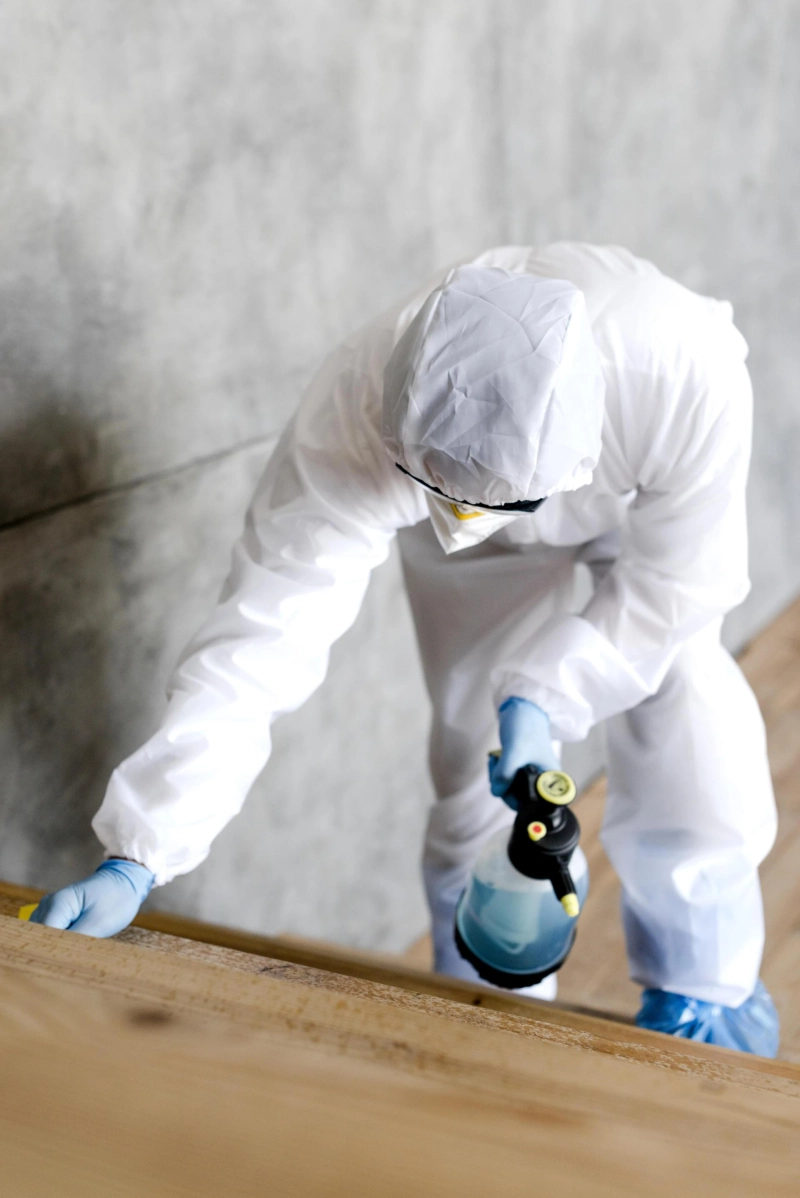
A comprehensive commercial mold remediation process follows industry standards and strict safety protocols. While each project is unique, most professional services include the following steps:
1. Inspection and Assessment
Certified technicians conduct a detailed inspection to identify mold-affected areas, moisture sources, and the extent of contamination. This may include air quality testing, moisture mapping, and visual assessments.
2. Containment
To prevent cross-contamination, affected areas are sealed using physical barriers and negative air pressure systems. This ensures mold spores do not spread to clean areas of the building.
3. Air Filtration
High-efficiency particulate air (HEPA) filtration systems are used to remove airborne mold spores and improve indoor air quality during remediation.
4. Mold Removal
Contaminated materials are carefully cleaned, treated, or removed depending on severity. Non-porous surfaces are disinfected, while heavily damaged materials may be safely disposed of.
5. Drying and Moisture Control
Industrial-grade dehumidifiers and air movers are used to eliminate excess moisture. Fixing leaks, improving ventilation, or addressing drainage issues is essential to prevent future growth.
6. Final Clearance and Prevention
After remediation, a final inspection ensures the space is safe for reoccupancy. Preventive recommendations are often provided to help maintain a mold-resistant environment.
Industries That Require Mold Remediation the Most
While mold can affect any commercial property, certain industries are particularly vulnerable due to their operating conditions:
- Healthcare facilities where air quality is critical
- Schools and universities with high occupancy
- Hospitality businesses such as hotels and resorts
- Food processing and storage facilities
- Manufacturing plants with high humidity
- Commercial real estate and property management firms
In these environments, even minor mold issues can have serious regulatory, health, and financial consequences.
Prevention: The Best Long-Term Strategy
The most effective way to manage mold is prevention. Businesses can reduce risk by implementing regular inspections, maintaining HVAC systems, and addressing water issues immediately.
Key prevention tips include:
- Repair leaks as soon as they are detected
- Maintain indoor humidity below recommended levels
- Ensure proper ventilation in high-moisture areas
- Schedule routine building inspections
- Monitor basements, roofs, and plumbing systems
Partnering with experienced professionals for periodic assessments can help detect early warning signs before mold becomes a major issue.
Choosing the Right Remediation Partner
Selecting the right remediation provider is essential. Look for certified professionals with experience handling large-scale commercial projects, a strong safety record, and transparent processes. A qualified provider will not only remove mold but also help safeguard your property against future outbreaks.
Conclusion
Mold is a silent but serious threat to commercial properties, capable of harming health, damaging structures, and disrupting business operations. Addressing it quickly and professionally is essential for maintaining a safe, compliant, and productive environment. By investing in expert remediation and preventive measures, businesses can protect their assets and people with confidence.
When reliability, expertise, and long-term protection matter, partnering with trusted professionals like RAMS100 ensures your commercial property remains safe, healthy, and resilient for years to come.