



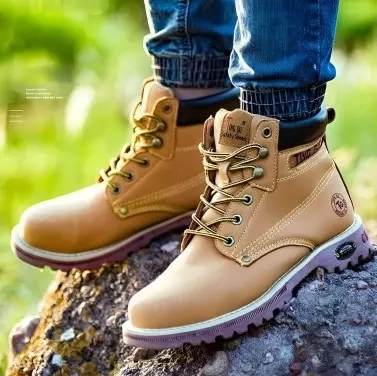
When it comes to workplace safety, few things are as essential yet overlooked as safety shoes. These specialized footwear options are not just a part of a uniform — they’re a vital layer of protection designed to keep workers’ feet safe from injuries, enhance comfort during long shifts, and improve overall productivity. Whether you work in construction, manufacturing, warehousing, or healthcare, the right pair of safety shoes can make a world of difference in ensuring both comfort and security.
In this article, we’ll explore why safety shoes are so important, the different types available, and how to choose the perfect pair for your needs.
Why Safety Shoes Are Essential in Every Workplace
Workplace hazards come in many forms — from heavy objects that can fall on your feet to slippery surfaces that can cause sudden falls. Safety shoes are designed to mitigate these risks. They act as a shield, protecting against impact, compression, punctures, electrical hazards, and even chemical spills.
In industries like construction and logistics, employees are often exposed to environments where accidents can happen at any time. A single misstep could result in broken toes, puncture wounds, or worse. Safety shoes, equipped with reinforced toes (usually steel or composite), non-slip soles, and cushioned insoles, reduce the chances of such incidents significantly.
Moreover, beyond physical protection, wearing proper safety footwear ensures compliance with occupational safety standards. Employers who prioritize providing their workforce with high-quality chaussures de sécurité not only reduce injury rates but also foster a culture of safety and responsibility within the company.
Key Features That Make Safety Shoes Effective
Not all protective footwear is created equal. The effectiveness of safety shoes depends on several crucial features that cater to specific job environments and hazards. Here are some of the most important elements to look for:
1. Toe Protection
The signature feature of any pair of safety shoes is the protective toe cap. Traditionally made from steel, modern designs also use lightweight materials like aluminum or composite (fiberglass or carbon fiber). This protection prevents injuries caused by heavy or sharp objects.
2. Slip-Resistant Soles
Slippery floors are one of the most common causes of workplace injuries. Non-slip soles provide extra traction, preventing accidents caused by oil, water, or other slippery substances.
3. Puncture-Resistant Midsoles
Sharp objects like nails, glass shards, or metal scraps can easily pierce through regular shoes. Safety shoes with puncture-resistant midsoles protect your feet from such dangers, making them ideal for construction sites and workshops.
4. Electrical Hazard Protection
For electricians or workers exposed to live circuits, specially designed electrical hazard-resistant safety shoes help prevent electric shocks.
5. Comfort and Ergonomics
A safety shoe should not only protect but also support the wearer throughout long working hours. Features like cushioned insoles, breathable materials, and arch support ensure comfort, reducing fatigue and improving performance.
6. Durability and Material Quality
High-quality leather or synthetic materials ensure long-lasting protection. Durable outsoles made from rubber or polyurethane withstand extreme temperatures, chemicals, and wear over time.
Types of Safety Shoes for Different Work Environments
Safety shoes come in various types to suit the unique demands of different workplaces. Choosing the right type ensures maximum protection and comfort.
1. Steel Toe Shoes
These are the most common and traditional type, offering solid protection against impact and compression. They are perfect for heavy-duty industries such as construction, mining, and manufacturing.
2. Composite Toe Shoes
Made from non-metal materials like Kevlar, carbon fiber, or fiberglass, composite toe shoes are lighter and don’t conduct heat or electricity — ideal for workers in electrical or cold environments.
3. Metal-Free Safety Shoes
Perfect for security checkpoints and workplaces where metal detectors are used frequently. They are lightweight and offer good flexibility.
4. Waterproof Safety Shoes
For outdoor workers or those exposed to wet environments, waterproof safety footwear keeps feet dry and comfortable while maintaining grip on slippery surfaces.
5. ESD (Electrostatic Discharge) Shoes
These are designed for electronic and manufacturing industries to prevent the buildup of static electricity, protecting both workers and sensitive equipment.
How to Choose the Right Pair of Safety Shoes
Selecting the right pair of safety shoes involves considering several factors, from your job type to comfort preferences. Here’s what you should keep in mind:
- Assess Your Work Environment: Identify common hazards such as heavy lifting, exposure to water, electricity, or chemicals.
- Check Certification: Always ensure your shoes meet international safety standards (like ASTM, ISO, or EN standards).
- Prioritize Comfort: Choose shoes with proper cushioning, breathable linings, and arch support.
- Size and Fit: Ill-fitting shoes can cause blisters, fatigue, and even back pain. Try on your shoes with your regular work socks for the best fit.
- Maintenance and Durability: Look for shoes made from high-quality materials that can withstand your working conditions.
The Long-Term Benefits of Wearing Safety Shoes
While many workers initially see safety footwear as just a job requirement, the long-term benefits go far beyond compliance. Proper footwear can reduce workplace injuries, saving both employers and employees from medical costs and lost time.
Safety shoes also contribute to better posture and comfort, minimizing fatigue and improving focus. When workers are comfortable and confident, productivity naturally increases. Furthermore, companies that invest in quality protective gear often see reduced absenteeism and higher employee satisfaction.
Caring for Your Safety Shoes
To ensure your footwear lasts longer and continues to provide optimal protection, proper maintenance is crucial:
- Clean Regularly: Remove dirt and debris after every use to prevent material degradation.
- Air Dry: Avoid direct sunlight or heat sources, which can damage the shoe material.
- Inspect for Wear: Check soles, seams, and toe caps regularly for damage or wear.
- Replace When Necessary: Once protection or comfort declines, replace your shoes immediately.
Conclusion
In today’s fast-paced industrial world, neglecting foot protection is not an option. The right safety shoes don’t just prevent accidents — they empower workers to perform their duties confidently and efficiently. From construction sites to laboratories, every workplace can benefit from investing in quality protective footwear that blends safety, comfort, and durability.
Ultimately, protecting your feet means protecting your career and well-being. Whether you’re an employer or an employee, make safety footwear a priority — because a safe step is always a smart step.