



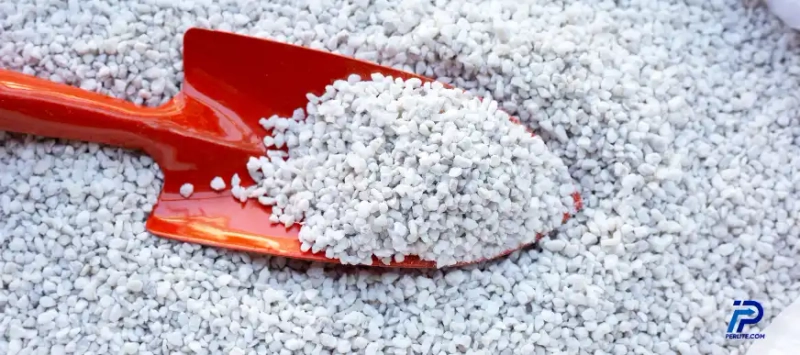
Propagating in perlite is widely recognized as one of the most effective and consistent methods for plant propagation, especially in regions with diverse growing conditions like Oregon. Across the state, growers rely on this method to achieve healthier roots, faster establishment, and higher success rates. Whether used in commercial nurseries, greenhouses, or controlled growing environments, propagating in perlite supports predictable outcomes that align well with Oregon’s strong horticulture and agricultural standards.
What Is Propagating in Perlite?
Propagating in perlite involves using expanded perlite as the primary growing medium for rooting cuttings or starting young plants. Perlite is a naturally occurring volcanic mineral that expands under high heat, forming lightweight, sterile particles with excellent porosity. When growers propagate in perlite, they provide developing roots with the right balance of air and moisture—two critical factors for successful propagation.
How propagating in perlite improves early plant development
Because perlite does not compact, it maintains consistent airflow around roots. This makes propagating in perlite especially effective during the early growth phase, when cuttings are most sensitive to excess moisture and lack of oxygen.
Benefits and Importance of Propagating in Perlite
The increasing adoption of propagating in perlite across Oregon is driven by its practical and measurable benefits. Growers value perlite for both performance and ease of management.
Key advantages include:
- Excellent drainage that reduces the risk of root rot
- High oxygen availability for faster root initiation
- Sterile composition that limits pests and diseases
- Uniform structure for consistent propagation results
For operations that regularly propagate in perlite, these benefits translate into improved plant quality and reduced losses.
Applications of Propagating in Perlite Throughout Oregon
Oregon’s statewide horticulture industry depends on reliable propagation systems. From coastal areas to inland valleys, propagating in perlite adapts well to different environmental conditions. While Portland, Oregon is often associated with plant production, the broader use of propagating in perlite extends well beyond any single city and supports growers across the entire state.
Common Oregon applications include:
- Nursery propagation of ornamentals and shrubs
- Greenhouse production of vegetables and herbs
- Native plant propagation for restoration projects
The consistency of propagating in perlite allows growers statewide to maintain quality standards regardless of local climate variations.
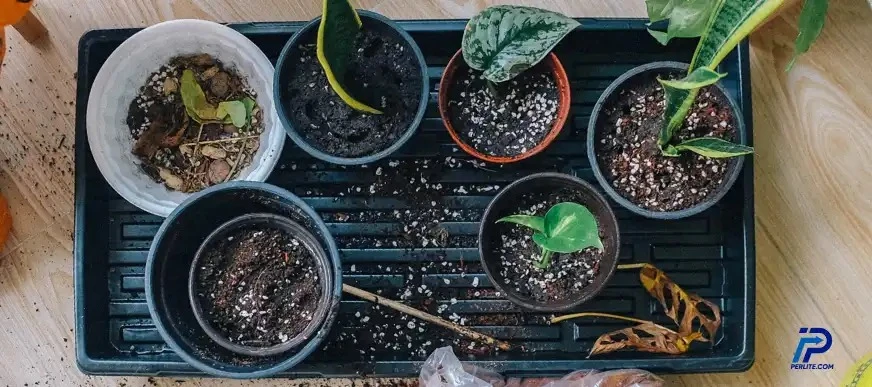
West Coast Relevance: California and Washington
Oregon’s leadership in propagation practices aligns closely with trends seen across the West Coast. In California, large-scale agricultural and greenhouse operations depend on propagating in perlite for efficiency and uniformity. Washington growers also rely on this method, particularly in controlled environments where moisture management is critical.
This regional demand reinforces propagating in perlite as a shared standard across West Coast states, with Oregon playing a central role in adoption and supply.
Nationwide Importance Across the United States
Across the United States, propagating in perlite has become a preferred choice for growers seeking consistency and control. Its versatility allows it to perform well in different climates, making it suitable for both regional and nationwide propagation programs.
Choosing the Right Perlite for Propagating in Perlite
Selecting the appropriate perlite is essential for successful propagation. When planning to propagate in perlite, consider:
- Particle size appropriate for your plant type
- Clean, horticultural-grade material
- A dependable supplier with industry experience
Working with a trusted source like perlite.com ensures access to perlite products designed specifically for propagation needs.
Frequently Asked Questions About Propagating in Perlite
Why is propagating in perlite recommended for Oregon growers?
Oregon’s varied climate makes moisture control critical. Propagating in perlite provides excellent drainage and aeration, helping growers achieve consistent results statewide.
Can I propagate in perlite without mixing other media?
Yes, many growers successfully propagate in perlite alone, especially for cuttings that require high oxygen at the root zone.
How does propagating in perlite reduce plant disease?
Perlite is sterile and does not retain excess moisture, which lowers the risk of fungal growth and soil-borne pathogens.
Is propagating in perlite suitable for large-scale operations?
Absolutely. Commercial nurseries and greenhouses often propagate in perlite due to its uniformity and scalability.
How often should plants be watered when I propagate in perlite?
Watering needs vary by environment, but propagating in perlite generally requires less frequent watering due to efficient moisture retention and drainage.
Conclusion
Propagating in perlite offers a dependable, high-performance solution for growers across Oregon and the wider West Coast. Its proven benefits—strong root development, disease resistance, and consistent results—make it a trusted method nationwide. For growers seeking a propagation medium that supports long-term success, propagating in perlite remains a clear and practical choice.