



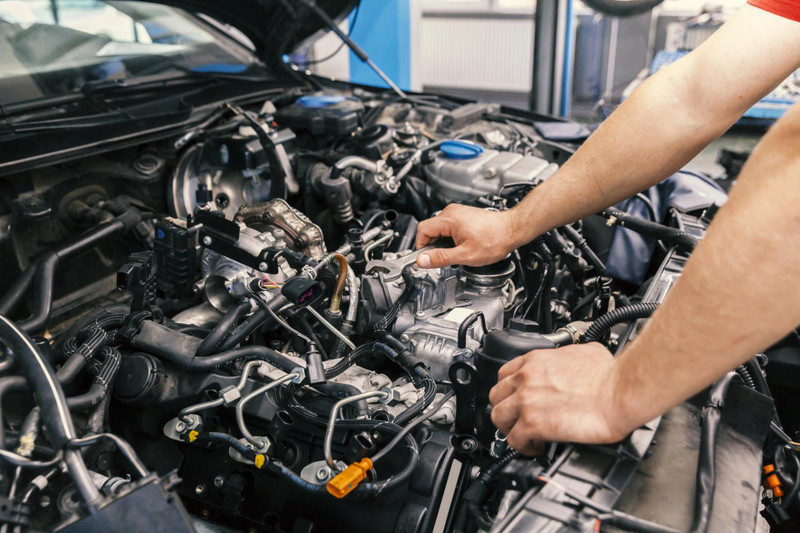
Most drivers understand the importance of changing oil, rotating tires, and replacing brake pads at recommended intervals. These maintenance tasks have become ingrained in automotive culture, discussed casually over coffee and tracked diligently in service records. Yet one of the most critical maintenance activities remains conspicuously absent from most preventative care routinessystematic electrical wiring inspection. This oversight creates a paradox in modern vehicle maintenance: as cars become increasingly dependent on electrical systems for everything from starting the engine to preventing collisions, the infrastructure delivering that electricity receives less attention than components that have remained largely mechanical for over a century.
The Philosophy Behind Preventative Electrical Maintenance
Traditional automotive maintenance evolved around mechanical wear—parts that rub together eventually deteriorate and require replacement. This visible, predictable wear pattern made developing maintenance schedules relatively straightforward. Electrical systems operate differently. Wiring doesn't wear out from friction in the conventional sense, but rather degrades through environmental assault, chemical reactions, and thermal stress that remain invisible until failure occurs. This fundamental difference demands a shift in how we conceptualize vehicle care.
Regular vehicle wiring inspection transforms the maintenance paradigm from reactive repairs to proactive prevention, catching deterioration before it manifests as system failures or safety hazards. Unlike mechanical components where wear gradually reduces performance, electrical circuits often function perfectly until the moment they fail catastrophically. A wire with ninety percent of its insulation degraded still conducts electricity normally, but that remaining ten percent stands between normal operation and complete circuit failure, potential short circuits, or even vehicle fires. Preventative wiring checks identify problems in this critical window before degradation crosses the threshold into failure.
The economic argument for preventative electrical maintenance becomes compelling when considering the cascade effects of wiring failures. A corroded ground connection might cause an engine control module to receive erratic signals, leading to improper fuel mixture calculations that damage catalytic converters—turning a simple wiring issue into a repair costing thousands. An intermittent power supply to the fuel pump might leave you stranded far from home, incurring towing costs and travel disruptions that dwarf the cost of identifying and addressing the wiring problem before failure. Preventative inspection doesn't eliminate all electrical failures, but it dramatically shifts the odds in your favor, catching most problems when they're inexpensive and convenient to address.
Understanding Electrical Degradation Timelines
Wiring degradation follows patterns influenced by vehicle age, usage conditions, and environmental factors. Understanding these patterns helps establish appropriate inspection intervals that balance thoroughness with practicality. A vehicle's first three to five years typically see minimal wiring issues beyond manufacturing defects that usually manifest early. During this period, insulation remains pliable, connections stay tight, and corrosion hasn't yet established significant footholds. Basic visual inspection during routine service catches obvious problems, though comprehensive electrical evaluation remains unnecessary for most vehicles in this age range.
Between five and ten years of service, the degradation process accelerates noticeably. Insulation that seemed perfectly adequate begins showing subtle changes—slight stiffening, minor discoloration, or hairline cracks that don't yet compromise circuit integrity. Connector terminals start developing thin oxide layers that increase resistance without causing obvious symptoms. This represents the critical intervention window where preventative inspection delivers maximum value. Problems remain manageable and inexpensive to address, but they're progressing toward the failure threshold. Annual wiring inspection during this period catches developing issues while they remain minor, preventing the transition to serious problems.
Vehicles exceeding ten years or 150,000 miles enter high-risk territory for electrical problems. Insulation brittleness becomes widespread, corrosion establishes itself at multiple connection points, and accumulated environmental damage reaches levels where circuit failures become increasingly common. Vehicles in this category benefit from biannual wiring inspection, with particular attention to areas showing the most advanced degradation. The goal shifts slightly from pure prevention to damage control—identifying the most critical problems for immediate attention while monitoring lesser issues that might still provide adequate service for a period.
Environmental factors dramatically accelerate or moderate these timelines. Coastal vehicles face relentless salt exposure that attacks wiring systems aggressively, potentially compressing the timeline above by thirty to forty percent. Desert vehicles contend with extreme temperature cycling and intense UV radiation that degrades insulation faster than moderate climates. Vehicles in northern regions face road salt during winter months combined with moisture and freeze-thaw cycles that create particularly challenging conditions. These environmental factors argue for adjusting inspection frequency based on operating conditions rather than strictly adhering to age or mileage-based schedules.
Identifying Electrical Red Flags Between Inspections
Professional wiring inspection provides the most thorough evaluation, but drivers themselves can monitor for warning signs that indicate developing electrical problems requiring attention before the next scheduled inspection. These symptoms don't replace professional evaluation but they serve as an early warning system that prompts timely intervention when problems emerge.
Intermittent electrical behavior ranks among the most significant warning signs. A radio that cuts out over bumps, headlights that flicker during turns, or power windows that work sporadically all indicate poor connections or damaged wiring creating unreliable circuit paths. Many drivers dismiss these symptoms as quirks or minor annoyances, but they represent serious warnings that wiring integrity has degraded to the point where physical movement or vibration temporarily breaks electrical continuity. These symptoms virtually always worsen over time, eventually progressing to complete circuit failure or creating conditions where short circuits can occur.
Unusual odors deserve immediate attention because they often precede serious electrical problems. The distinctive smell of burning plastic indicates that insulation somewhere in the electrical system is overheating, either from excessive current flow or from contact with hot surfaces. This represents an emergency condition requiring immediate investigation because overheating wiring can ignite surrounding materials, leading to vehicle fires. The smell might appear intermittently before becoming constant, providing a brief warning window before catastrophic failure. Never dismiss burning plastic odors as insignificant or assume they'll resolve on their own.
Electrical system behavior that changes with temperature provides valuable diagnostic information. Circuits that fail when cold but work normally once warmed up often indicate cracked solder joints or compromised connections that expand with heat to make adequate contact. Conversely, systems that fail when hot but work fine when cold suggest connections developing high resistance that increases with temperature, or insulation that softens enough when heated to allow short circuits. These temperature-dependent symptoms indicate specific types of electrical problems that professional inspection can identify and address before they progress to more serious failures.
Dashboard warning lights related to electrical system function—battery light, charging system warnings, or electronic stability control indicators—should never be ignored. Modern vehicles perform continuous self-diagnostics on critical systems, and these warning lights represent the vehicle's attempt to communicate that monitoring systems have detected abnormal conditions. While not all warning lights indicate wiring problems specifically, electrical system warnings frequently trace back to compromised wiring connections or degraded sensor circuits. Professional diagnosis determines the specific cause, but the appearance of these warnings always warrants prompt attention.
The Inspection Process and What It Reveals
Comprehensive wiring inspection follows systematic methodology that examines both visible and hidden electrical system components. Technicians begin with visual assessment of accessible wiring, looking for obvious damage, insulation deterioration, or improper repairs. This initial survey identifies problems severe enough to manifest as visible damage while establishing baseline conditions for the electrical system overall. Areas showing significant visible wear become priorities for more detailed testing.
Electrical testing using specialized diagnostic equipment reveals problems invisible to visual inspection. Voltage drop testing measures the efficiency of electrical circuits under load, identifying high-resistance connections that compromise circuit performance without obvious physical symptoms. Even small voltage drops across connections accumulate through a circuit, and testing identifies these problem areas before they cause component failures or system malfunctions. Resistance testing of individual circuits verifies that conductors maintain proper electrical characteristics and that insulation continues preventing current leakage between circuits.
Connector inspection represents a critical component of comprehensive wiring evaluation. Connectors contain the highest concentration of potential failure points in electrical systems—multiple contact surfaces that must maintain perfect electrical connection despite exposure to vibration, temperature extremes, and moisture intrusion. Technicians disassemble connector bodies to examine pin conditions, verify proper terminal tension, and check for corrosion or contamination that increases contact resistance. Many electrical problems that drivers experience ultimately trace to connector issues rather than wire damage, making this detailed examination essential.
Thermal imaging technology adds another dimension to wiring inspection by identifying hot spots that indicate high-resistance connections or overloaded circuits. These thermal anomalies remain completely hidden during normal inspection but reveal themselves as elevated temperatures when circuits carry current under load. Identifying overheating connections before they cause insulation damage or circuit failure allows preventative intervention at the optimal time. Thermal inspection proves particularly valuable for high-current circuits like charging systems, starter circuits, and power distribution networks where heat generation can rapidly accelerate component degradation.
Building Your Electrical Maintenance Schedule
Creating an effective preventative maintenance schedule for wiring inspection requires balancing thoroughness with practical considerations of time and cost. New vehicles benefit from basic electrical system checks during routine maintenance intervals, primarily verifying that battery connections remain clean and tight and that no obvious damage has occurred to accessible wiring. This minimal approach suits vehicles still within manufacturer warranty periods where electrical system reliability typically remains high.
Vehicles entering the five to ten-year age range should incorporate annual comprehensive wiring inspection into their maintenance schedule. This inspection should include detailed examination of high-risk areas like battery terminals, engine bay harnesses, and underbody circuits, along with functional testing of critical systems. The relatively low cost of annual inspection proves worthwhile when weighed against the expense and inconvenience of roadside electrical failures or the safety risks associated with compromised wiring.
Older vehicles, those exceeding ten years or operating in harsh environments, justify biannual wiring inspection with particular focus on areas showing advanced degradation. At this age, the question isn't whether wiring problems exist but rather how severe they've become and which issues require immediate attention versus continued monitoring. The inspection strategy shifts toward triage—identifying and addressing the most critical problems while accepting that some less crucial circuits may exhibit deterioration that doesn't yet warrant repair.
Usage patterns should influence inspection frequency as much as vehicle age. Cars accumulating high annual mileage experience accelerated wear on all systems including electrical components, arguing for more frequent inspection regardless of calendar age. Vehicles used in commercial applications or those regularly driven in challenging conditions benefit from shortened inspection intervals. Conversely, garage-kept vehicles driven minimally in favorable conditions might justify slightly extended intervals, though aging still occurs even when vehicles sit unused.
Conclusion
Preventative electrical maintenance represents the missing link in modern vehicle care, addressing systems that have become critical to vehicle operation yet remain neglected in traditional maintenance schedules. Regular wiring inspection transforms electrical system care from crisis management to proactive prevention, identifying degradation before it crosses the threshold into failure, safety hazards, or expensive secondary damage. The philosophy of preventative electrical care acknowledges that wiring degradation follows predictable patterns influenced by age, environment, and usage, making scheduled inspection a logical and cost-effective strategy for maintaining vehicle reliability. Understanding electrical warning signs allows drivers to supplement professional inspection with their own monitoring, catching emerging problems between scheduled evaluations. Comprehensive inspection using visual examination, electrical testing, connector evaluation, and thermal imaging reveals problems across the spectrum from obvious physical damage to hidden resistance issues. Establishing appropriate inspection intervals based on vehicle age, usage, and environmental conditions ensures that electrical system evaluation receives attention proportionate to its importance in modern vehicle operation. The electrical system may be hidden and its deterioration invisible, but its role in vehicle safety and reliability demands that wiring checks become a standard component of every driver's maintenance routine rather than remaining an overlooked aspect of vehicle care.