



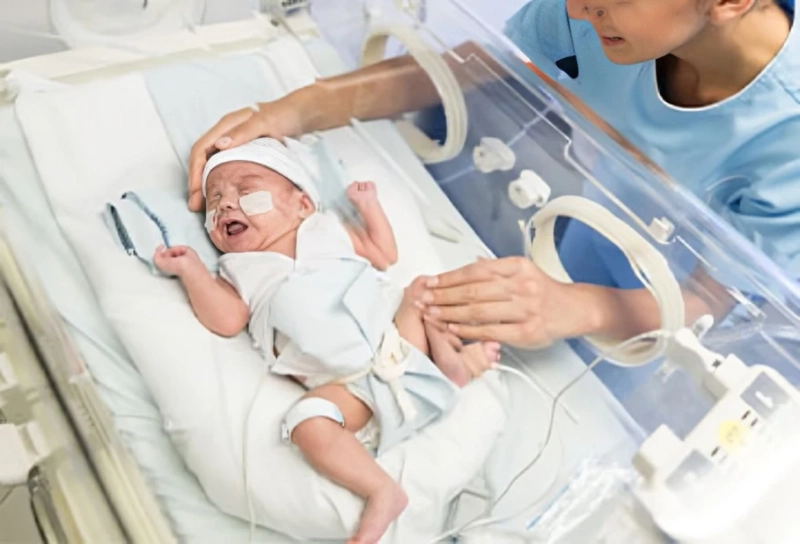
The first days and weeks of life for a premature infant can be among the most critical. Born before 37 weeks of gestation, premature babies often require close monitoring and specialized care to ensure their continued health and development. Traditionally, this level of care has meant long stays in Neonatal Intensive Care Units (NICUs) and frequent follow-ups after discharge. Today, advances in telehealth and remote monitoring technologies are revolutionizing how we support premature infants and their families — bringing expert care right into the home and community.
What Is Premature Infant Monitoring Telehealth?
Telehealth for premature infant monitoring refers to the use of digital technology — including video consultations, remote vital sign tracking, and real-time communication — to assess, support, and guide care for preterm babies outside of traditional clinical settings. This can include:
- Remote monitoring of vital signs
- Virtual consultations with neonatology specialists
- Tele-follow-ups after NICU discharge
- Parental support and education via secure platforms
In essence, telehealth extends neonatal expertise beyond the walls of the hospital, improving continuity of care once a premature infant goes home.
Why Telehealth Matters for Premature Infants
1. Continuous Monitoring Without Travel
Premature infants often need close observation of heart rate, respiratory patterns, oxygen levels, feeding tolerance, weight gain, and neurodevelopmental milestones. With telehealth, parents can receive real-time guidance from healthcare providers without repeated trips to the hospital. This is especially meaningful for families in rural or underserved areas where access to neonatal specialists is limited.
Telemedicine has been shown to improve follow-up care and attendance rates for NICU graduates, helping catch developmental concerns early when they are most treatable.
2. Reducing Risk of Infection
For preterm babies, whose immune systems are fragile, every unnecessary visit to a medical facility presents a risk of infection. By leveraging remote check-ins and monitoring technologies, families can limit exposure to infectious environments while still ensuring that their baby’s health is being carefully tracked.
3. Enhanced Parental Confidence and Engagement
Telehealth does more than track statistics — it empowers parents. Many families report feeling more confident and supported when they have easy access to specialists who can answer questions, interpret symptoms, and guide them through complex care routines. This not only strengthens the parent–infant bond but also builds confidence in day-to-day caregiving. Research on neonatal tele-homecare underscores how telehealth enhances parental engagement and reduces stress.
4. Greater Access to Pediatric Specialty Care
Not every community has pediatric specialists readily available. Telehealth breaks down geographical barriers, connecting local caregivers and families to top neonatology expertise. This reduces unnecessary transfers to distant NICUs, helps stabilize infants earlier, and supports local hospitals while families receive consistent, high-level care from specialists.
Real-World Benefits: What Research Shows
- Improved Clinical Outcomes - Remote monitoring and regular virtual follow-ups can lead to better tracking of high-risk infants’ development and earlier intervention when problems arise.
- Stronger Continuity of Care - Telehealth enhances continuity between hospital discharge and home care, making care transitions smoother and reducing lapses in monitoring.
- Reduced Hospital Burden - Virtual consultations help manage acute concerns remotely, reducing unnecessary in-person visits and lowering healthcare system strain.
Together, these advantages demonstrate how telehealth is not simply a convenience but a transformative tool in modern neonatal care.
Technology in Action: Tools Enhancing Telehealth Monitoring
Remote Patient Monitoring (RPM) Devices
Remote monitoring uses connected sensors to track vital signs outside the hospital. These devices transmit data to clinicians in real time, helping early identification of issues.
Video Consultations
Virtual visits allow neonatologists to evaluate a baby’s condition visually, observe feeding, breathing, and behavior, and provide personalized recommendations.
Wearables and Wireless Sensors
Wearable sensors can monitor heart rate, oxygen saturation, movement, and temperature. Wireless designs make them comfortable for delicate skin and increase ease of use.
As technology advances — including AI-integrated systems and non-contact monitoring — the future of neonatal telehealth promises even greater capability to support families at home.
Challenges and Considerations
While telehealth offers significant benefits, there are challenges to consider:
- Technological Limitations
- Access to reliable internet and high-quality devices is essential, which may be a barrier for some families.
- Training and Comfort
- Both caregivers and healthcare providers need training and comfort with telehealth platforms.
- Regulatory and Reimbursement Issues
- Policies and payment models need ongoing updates to fully support telehealth services.
Despite these challenges, healthcare systems, researchers, and technology developers are continually improving telehealth frameworks to make them more accessible, secure, and user-friendly.
KCC Kids — Your Partner in Telehealth Care for Premature Infants
At KCC Kids, we understand that every child’s needs are unique, especially for infants born prematurely. Our pediatric telehealth services offer:
- Expert virtual consultations with neonatology and pediatric specialists
- Family-centered support and education
- Customized care plans with ongoing monitoring
- Access from the comfort of your home
We are committed to ensuring that technology enhances—not replaces—the compassionate care every family deserves. Whether your premature infant needs follow-up monitoring, developmental assessments, or specialist guidance, we’re here to help you navigate every stage with confidence and support.
Conclusion
Premature infant monitoring telehealth is more than a trend — it’s the future of neonatal care. By combining advanced technology with compassionate pediatric expertise, we can improve health outcomes, boost parental confidence, and make specialized care accessible to families everywhere.