


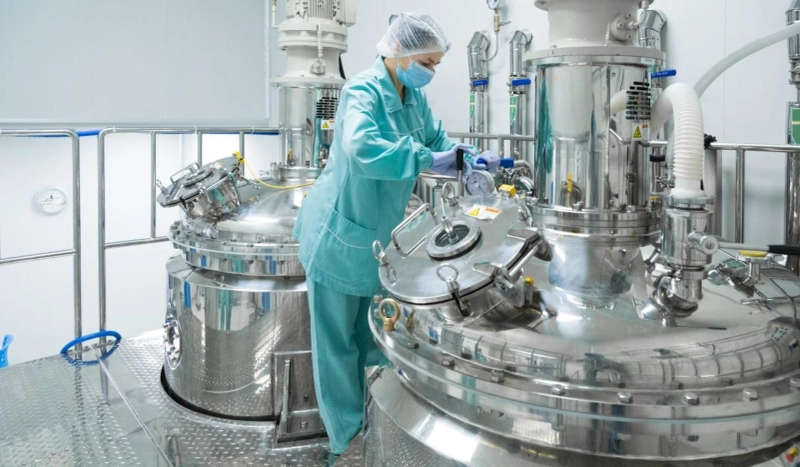
In the pharmaceutical industry, maintaining purity and precision is not a luxury—it’s a necessity. Every process, from research to manufacturing, relies on environments that meet stringent cleanliness standards to ensure the safety and efficacy of medical products. That’s where pharmaceutical cleanroom construction comes into play. A well-designed cleanroom is more than just a controlled space—it’s a foundation for innovation, compliance, and quality assurance.
This article explores the art and science of pharmaceutical cleanroom construction, including its key design principles, construction phases, compliance requirements, and how modern technology is shaping the future of these specialized environments.
Understanding Pharmaceutical Cleanrooms
A pharmaceutical cleanroom is a highly controlled environment where air quality, temperature, humidity, and pressure are precisely regulated to prevent contamination. These rooms are classified based on the number and size of particles permitted per cubic meter of air, following standards such as ISO 14644-1 or Good Manufacturing Practices (GMP).
Cleanrooms play a critical role in pharmaceutical production—from formulating active pharmaceutical ingredients (APIs) to filling vials, packaging, and quality testing. Even the slightest contamination can compromise product integrity, resulting in costly recalls, regulatory violations, and potential harm to patients. Therefore, constructing a cleanroom requires precision engineering and a deep understanding of pharmaceutical processes.
Key Principles of Pharmaceutical Cleanroom Design
Cleanroom construction is guided by specific design principles aimed at minimizing contamination and maintaining a consistent, sterile environment. Here are the core aspects that define an effective cleanroom design:
Controlled Airflow
Airflow is the backbone of contamination control. Cleanrooms use High-Efficiency Particulate Air (HEPA) or Ultra-Low Penetration Air (ULPA) filters to remove particles from incoming air. The air is typically delivered through laminar flow systems to maintain a unidirectional air stream that sweeps particles away from critical areas.
Zoning and Pressure Differentials
Cleanrooms are divided into zones of varying cleanliness, with positive pressure maintained in cleaner zones to prevent contaminated air from flowing inward. Proper zoning ensures a smooth transition between different stages of pharmaceutical processing.
Surface Selection
The materials used in cleanroom construction must be non-porous, easy to clean, and resistant to microbial growth. Stainless steel, epoxy-coated panels, and PVC are commonly used for walls, floors, and ceilings to ensure durability and hygiene.
Temperature and Humidity Control
Environmental stability is crucial in pharmaceutical manufacturing. Temperature and humidity must be tightly controlled to ensure both product stability and worker comfort.
Ease of Cleaning and Maintenance
The design must allow for efficient cleaning, with minimal corners or joints where particles can accumulate. Smooth surfaces and coved corners help reduce contamination risk during sanitation processes.
Steps in Pharmaceutical Cleanroom Construction
Constructing a pharmaceutical cleanroom requires meticulous planning, coordination, and execution. Below is a step-by-step overview of the process:
Needs Assessment and Conceptual Design
The first stage involves understanding the client’s operational requirements, production processes, and compliance standards. Engineers and architects collaborate to create a conceptual design that balances functionality, regulatory compliance, and cost efficiency.
Detailed Design and Engineering
Once the concept is approved, detailed engineering begins. This includes HVAC system design, airflow modeling, electrical layout, wall and ceiling systems, and cleanroom zoning plans.
Material Selection
Materials are selected based on cleanliness class, durability, and compatibility with cleaning agents. Modular cleanroom panels, cleanroom-grade doors, and specialized flooring systems are integral to maintaining contamination control.
Construction and Installation
During this phase, all components—walls, ceilings, filtration systems, lighting, and HVAC—are installed according to design specifications. Construction teams work under strict protocols to prevent dust and particle generation.
Validation and Commissioning
After construction, the cleanroom undergoes rigorous testing to ensure it meets ISO or GMP standards. Validation includes airflow velocity testing, particle count measurement, pressure differential verification, and temperature/humidity monitoring.
Certification and Maintenance
Once validated, the cleanroom is certified for pharmaceutical use. Regular maintenance, including filter replacement and environmental monitoring, ensures continued compliance and performance.
Regulatory Compliance and Standards
Pharmaceutical cleanroom construction must adhere to strict regulatory guidelines. The most common standards include:
- ISO 14644: Defines air cleanliness classes based on particle concentration.
- EU GMP Annex 1: Establishes guidelines for manufacturing sterile medicinal products.
- FDA 21 CFR Part 211: Outlines Good Manufacturing Practice regulations for pharmaceuticals in the U.S.
- WHO GMP Guidelines: Provide a global framework for pharmaceutical production and quality assurance.
Compliance with these standards not only ensures product safety but also protects companies from legal and financial repercussions.
Modern Innovations in Cleanroom Construction
The evolution of technology has transformed pharmaceutical cleanroom construction, introducing advanced systems that enhance efficiency and sustainability. Some of the most notable innovations include:
Modular Cleanrooms
Modular construction allows for faster installation, scalability, and easier reconfiguration. Prefabricated wall panels and ceiling systems reduce onsite contamination risks and construction time.
Smart Monitoring Systems
IoT-enabled cleanrooms feature real-time monitoring of temperature, humidity, pressure, and particle levels. Automated alerts help maintain compliance and reduce human error.
Energy-Efficient HVAC Systems
Cleanrooms consume significant energy due to constant air filtration and circulation. New HVAC designs with variable air volume (VAV) systems and energy recovery technologies help reduce operational costs.
Sustainable Materials
Eco-friendly materials that maintain sterility while reducing environmental impact are gaining popularity, aligning cleanroom construction with global sustainability goals.
Virtual Design and BIM Integration
Building Information Modeling (BIM) enables precise visualization, coordination, and simulation of cleanroom environments before construction begins, minimizing costly design errors.
The Importance of Expert Collaboration
Successful pharmaceutical cleanroom construction requires collaboration among multiple stakeholders—engineers, architects, HVAC specialists, and regulatory consultants. Each expert contributes to ensuring that the final build meets both operational goals and compliance requirements. Communication and coordination throughout the project lifecycle are key to achieving optimal results.
Conclusion
Pharmaceutical cleanroom construction is an intricate blend of engineering, science, and precision craftsmanship. Every element—from air filtration to wall materials—is designed to uphold purity and product integrity. With advancements in modular construction, smart monitoring, and energy-efficient systems, the future of cleanroom design promises greater flexibility and sustainability.
For pharmaceutical manufacturers, investing in a well-designed cleanroom isn’t just about meeting regulatory standards—it’s about safeguarding patient health, maintaining brand integrity, and fostering innovation. In essence, cleanroom construction truly represents the art of precision and purity in pharmaceutical excellence.