



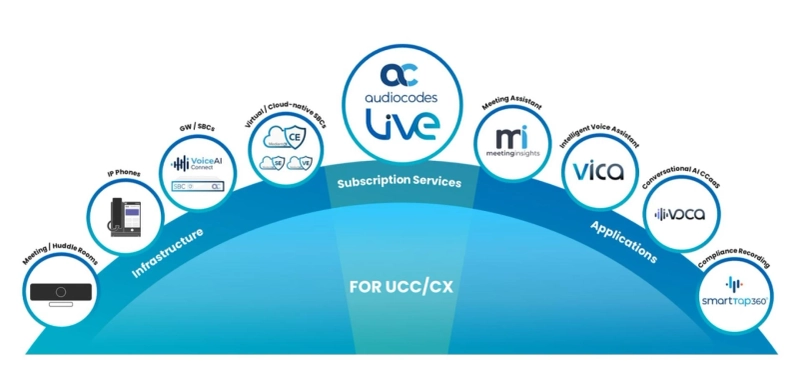
In an era where businesses operate across locations, time zones, and digital platforms, voice communication remains the most trusted and immediate form of interaction. Whether it is a customer support call, an internal meeting, or a mission-critical conversation, organizations depend on voice systems that are clear, reliable, and always available. This growing demand has led to the evolution of advanced voice networking and media processing solutions, which now serve as the backbone of modern communication infrastructures.
Understanding Advanced Voice Networking
Advanced voice networking refers to the intelligent management of voice traffic over IP-based networks. Unlike traditional telephony systems that rely on fixed hardware and circuit switching, modern voice networking solutions are software-driven, flexible, and highly scalable. They are designed to operate efficiently over data networks while maintaining the natural quality and reliability users expect from voice communication.
These solutions ensure that voice calls are routed intelligently, prioritized correctly, and delivered without interruption—even in complex network environments. By supporting modern protocols and standards, advanced voice networking enables smooth communication across on-premise systems, cloud platforms, and hybrid environments.
What Makes Media Processing So Critical?
Media processing is the technology layer responsible for handling the voice stream itself. It manages how voice is captured, compressed, transmitted, and reconstructed at the receiving end. Without efficient media processing, even the most advanced network would fail to deliver a good user experience.
Key media processing functions include:
- Codec management and transcoding, allowing different systems to communicate seamlessly
- Noise suppression and echo cancellation, ensuring conversations remain clear and natural
- Packet handling and jitter management, reducing delays and call drops
- Bandwidth optimization, enabling high-quality calls even on constrained networks
Together, these capabilities ensure consistent audio quality, regardless of network conditions or device types.
Enhancing Business Communication Experiences
Advanced voice networking and media processing solutions are designed with real-world business challenges in mind. They support high call volumes, remote users, mobile workforces, and global operations, all while maintaining performance and reliability.
For organizations, this means:
- Improved customer interactions with clear, uninterrupted calls
- Better collaboration among teams working remotely or across locations
- Reduced operational complexity through centralized management and monitoring
- Future-proof infrastructure that adapts to new communication technologies
Security, Stability, and Control
Voice networks are increasingly targeted by cyber threats, making security a top priority. Advanced solutions include built-in mechanisms for encryption, authentication, and traffic monitoring, helping organizations protect sensitive conversations and prevent misuse.
In addition to security, these systems are engineered for high availability and resilience. Redundancy, failover support, and intelligent load balancing ensure that communication services remain operational even during network disruptions.
Applications Across Multiple Sectors
Advanced voice networking and media processing solutions are widely used across industries:
- Enterprises rely on them for unified communications and internal collaboration
- Contact centers use them to manage high call volumes with consistent quality
- Service providers depend on them for carrier-grade voice services
- Healthcare and education sectors require secure and real-time voice communication for critical operations
Their versatility makes them suitable for both small deployments and large-scale, multi-site environments.
Preparing for the Future of Voice Communication
As communication continues to evolve with cloud adoption, AI-driven analytics, and integrated collaboration platforms, voice networking and media processing solutions are built to scale and adapt. They support modern architectures and emerging standards, ensuring organizations are prepared for future communication demands.
Conclusion
Advanced voice networking and media processing solutions are no longer optional—they are essential for delivering reliable, high-quality, and secure voice communication in today’s digital landscape. By combining intelligent networking with powerful media processing capabilities, these solutions enable organizations to communicate with confidence, efficiency, and clarity. Investing in this technology means building a communication foundation that supports growth, innovation, and long-term success.