



Cordless tools changed how both professionals and homeowners work. No cords to trip over. No constant plugging and unplugging. The secret lies in the battery. Power tool batteries power drills, saws, grinders, and vacuums with portability and strength. But one major issue frustrates users: compatibility. A drill from one brand will not take a battery from another. Users ask why power tool battery standardization has not yet happened. This guide explains the current state of power tool batteries, the role of voltage, chemistry, and design, and why brands like DeWalt and Makita keep their systems separate.
Why Power Tool Batteries Are Not Universal
Each power tool brand develops its own battery system. They differ in voltage, design, and electronics. The physical fit also changes from brand to brand. Companies protect their designs through patents and lock users into one system. If you buy a Makita 18V battery, you stay with Makita tools. The same goes for a DeWalt 20V battery or Milwaukee’s M18 system.
Standardization sounds useful. One battery for all tools sounds easier for professionals and DIY users. But in reality, different cells, electronics, and power delivery requirements make this difficult. Manufacturers prioritize safety, lifespan, and sales, which prevents a single universal battery.
Voltage and Its Role in Compatibility
Voltage defines how much power a tool receives. Most cordless tools run on 12V, 18V, or 20V systems. Makita 18V battery packs power a wide range of drills, saws, and outdoor tools. DeWalt markets its 20V system, which is essentially 18V measured differently. Though both run on lithium-ion cells, they are not interchangeable. Even if the voltage matches, the housing, electronics, and lock-in points differ.
Voltage also decides runtime and tool strength. Higher voltage packs supply more torque and allow heavier cutting or grinding. If brands shared a common voltage and pack design, compatibility would be easier. But design choices remain locked to each brand’s system.
Lithium-Ion Technology and Design Differences
Most modern power tool batteries use lithium-ion cells. They replaced nickel-cadmium because they store more energy, weigh less, and last longer. Inside a lithium pack, several 18650 or 21700 cells connect in series or parallel. A battery management system protects against overheating, overcharging, and deep discharge.
Though lithium cells are common across brands, the layout changes. DeWalt packs may arrange 10 cells for 20V Max. Makita designs its LXT packs with a slightly different cell structure. Even if you open both, the electronics are unique. This design difference creates barriers to standardization.
The Role of Battery Management Systems
Battery safety depends on electronics inside the pack. Each brand programs its control board differently. Some limit current flow to protect tools. Others allow more aggressive discharge for high-demand tools. If a pack with one control system connects to another tool with different requirements, the risk increases. Overheating, tool damage, or fire can happen.
This is one technical reason why a universal power tool battery does not exist yet. Safety standards vary, and companies design their packs for their own chargers and tools.
Why Brands Keep Proprietary Systems
From a business view, batteries are profit drivers. Once you buy into one platform, you stay there. A contractor who buys a set of Makita tools with three Makita 18V batteries will rarely switch to DeWalt. To use DeWalt tools, the contractor must invest in a new set of batteries, a charger, and the tools themselves.
This lock-in keeps revenue flowing for tool brands. Standardization would remove that barrier. You could use one pack across all tools, and companies would compete only on tools. From their side, it makes sense to maintain separate systems.
Third-Party Battery Replacement Options
Many third-party companies produce compatible packs. They copy the fit and design of original packs and sell them at lower prices. These work for users who need cheap battery replacement options. But quality varies. Some packs use lower-grade cells that fail sooner. Others lack advanced electronics, which shortens tool lifespan.
Still, aftermarket packs help users extend tool use without spending as much as on OEM packs. If you buy a DeWalt 20V battery replacement from a trusted third-party brand, it can save money while keeping tools functional. But users must balance cost against safety and reliability.
Adapters: A Bridge Between Brands
Adapters give users a way to cross systems. You can buy a plastic adapter that lets you put a DeWalt 20V battery into a Makita tool, or a Makita 18V battery into a DeWalt tool. These adapters bridge physical fit, but they come with limits. Voltage might align, but electronics and safety features do not. Long-term use of adapters may shorten battery or tool lifespan. Still, many users rely on them when they own multiple brands.
Future Possibilities of Standardization
Some groups call for industry standards. If toolmakers agreed on one pack size, one voltage range, and one connector, tool users would benefit. You could run all drills, saws, and vacuums from a shared pack. Waste would decrease because fewer batteries would be discarded. But the market moves slowly. No major company has committed to a universal system.
In Europe, regulators push for charger standardization in phones and electronics. Similar rules may eventually reach power tools. If lawmakers push for it, companies may be forced to adopt a shared standard. Until then, proprietary systems will dominate.
Comparing Major Battery Systems
Makita 18V Battery
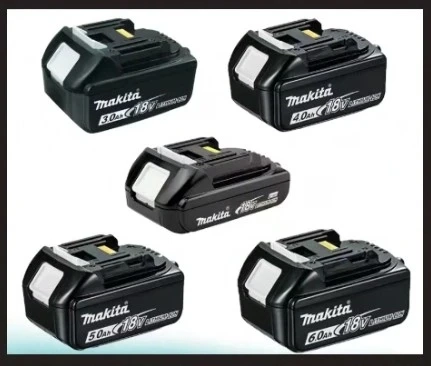
Makita’s LXT system runs on 18V lithium-ion packs. The line covers hundreds of tools. The battery packs come in different capacities, from 2.0Ah to 6.0Ah. Higher capacity packs run longer but weigh more. Makita batteries include built-in protection circuits and cooling designs to prevent overheating.
DeWalt 20V Battery
DeWalt’s 20V Max line is one of the largest systems on the market. It runs on packs that use 18V lithium-ion cells measured differently. These batteries come in sizes from compact 2.0Ah to heavy-duty 12.0Ah FlexVolt. DeWalt batteries often have a fuel gauge for charge status. The system is cross-compatible with many DeWalt tools.
Both systems are reliable, but they stay locked to their brands. A Makita 18V battery will not fit a DeWalt drill, and a DeWalt 20V battery will not work with Makita saws.
Factors That Matter in Battery Replacement
When replacing a battery, users must check several factors.
- Voltage: The pack must match the tool’s system. An 18V tool requires an 18V pack.
- Capacity (Ah): Higher amp-hour packs last longer per charge. Choose based on how long you need the tool to run.
- Chemistry: Most packs today use lithium-ion. Older tools may still use NiCd, but upgrades are possible.
- Fit and Design: The pack must lock into place physically.
- Electronics: Original packs have advanced control circuits. Replacements should match those features.
These factors keep tools safe and functional during battery replacement.
The User’s Point of View
From the user’s side, the lack of standardization increases costs. A homeowner who owns three brands must buy three chargers and multiple packs. Professionals often commit to one brand to avoid that hassle. On the other hand, brand loyalty drives reliability. You know your Makita 18V battery will work across hundreds of Makita tools. You know your DeWalt 20V battery will fit everything in the 20V Max lineup.
Environmental Impact of Multiple Systems
Non-standardized batteries increase waste. When a user changes brands, the old packs often get discarded. Recycling options exist, but not all users follow them. A shared standard would cut waste and extend pack use across tools. This remains one of the arguments for standardization, especially as lithium demand rises worldwide.
In A Nutshell
Power tool battery standardization remains an open question. For now, each brand keeps its own system. Voltage, design, and electronics differ too much to make them universal. Users must choose a platform and stay with it. Makita 18V battery packs keep Makita tools running strong. DeWalt 20V battery packs power one of the widest tool systems on the market.
Standardization would lower costs, reduce waste, and make life easier for users. But business interests and safety concerns keep it from happening. Until industry or regulators push for change, users will continue to work within brand-specific systems and make choices based on their tool needs and budget.