



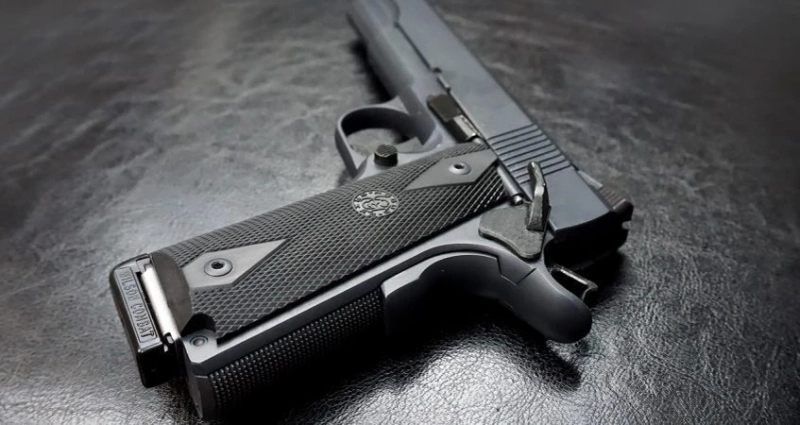
Police body cameras have become a standard tool in law enforcement, changing how traffic stops, searches, and arrests are documented. For Texans who lawfully carry a firearm, body cams add another layer to already complex interactions with police. Understanding how body cameras work and how they intersect with Texas firearm laws can help gun owners protect their rights while ensuring safer, more transparent encounters.
Why Do Police Body Cameras Matter?
Body cameras are designed to record interactions between officers and the public. During a routine traffic stop or investigation, these devices can capture audio and video of everything from an officer’s initial approach to how a situation escalates or de-escalates. In firearm-related encounters, this footage can be crucial evidence.
For lawful gun carriers, body cam recordings may support your version of events if questions arise about compliance, disclosure, or conduct. At the same time, these recordings can also be used by prosecutors if they believe a firearm law was violated. Knowing this reality helps carriers act carefully and responsibly.
Texas Firearm Laws and Police Encounters
Texas allows lawful carry of firearms, but that does not eliminate all responsibilities during police encounters. While Texas does not always require proactive firearm disclosure, certain situations such as when an officer asks directly require truthful responses. Failing to follow Texas firearm laws can turn a routine stop into a serious legal issue.
Body cam footage will likely capture how and when disclosure occurs, your tone of voice, and your physical movements. Calm, respectful behavior matters more than many people realize, especially when it’s recorded.
What Body Cameras Capture During Firearm Stops?
Police body cams typically record:
- Your initial reaction when stopped
- Any statements you make about carrying a firearm
- Your hand movements and body language
- The officer’s instructions and your response to them
In firearm-related stops, sudden movements or unclear communication can raise safety concerns. On video, even innocent actions can appear suspicious if not explained clearly. This is why experts advise keeping hands visible and following instructions carefully.
Your Rights Are Still Protected
Even when body cameras are recording, you retain your constitutional rights. You have the right to remain silent beyond basic identifying information, and you do not have to consent to searches unless legally required. Politely asserting your rights is not illegal and body cam footage can confirm that you acted respectfully.
However, arguing roadside legal interpretations of Texas firearm laws rarely helps. Disputes are better handled later by an attorney, using the recorded footage as evidence if necessary.
How Body Cam Footage Can Help Gun Carriers?
Body camera recordings can be beneficial in several ways:
- Accountability: Footage can show whether officers followed proper procedures.
- Accuracy: It preserves exact statements and actions, reducing reliance on memory.
- Defense Evidence: If a misunderstanding occurs, video can clarify what actually happened.
For law-abiding carriers, this transparency often works in their favor, especially when they remain calm and compliant.
Potential Risks of Body Cam Evidence
While body cams promote transparency, they are not always favorable to the person being recorded. Casual remarks, nervous jokes, or unnecessary explanations can be misinterpreted. This is why legal professionals advise speaking minimally and carefully during police interactions.
Everything said on camera may be reviewed later. Even if you believe you are complying with Texas firearm laws, poorly chosen words can complicate your situation.
Best Practices for Armed Citizens During Recorded Encounters
If you lawfully carry a firearm in Texas and encounter police:
- Keep your hands visible at all times.
- Follow all instructions slowly and clearly.
- Disclose firearm possession if asked directly.
- Avoid sudden movements or reaching near the weapon.
- Remain polite and calm, even if stressed.
These steps not only promote safety but also present a clear, responsible image on camera.
When Legal Guidance Matters?
If a firearm-related encounter escalates or results in charges, body cam footage can become central evidence. An experienced attorney can review the recording, assess whether Texas firearm laws were applied correctly, and determine if your rights were violated.
Final Thoughts
Police body cameras are now a permanent part of law enforcement in Texas. For gun carriers, understanding how these devices interact with Texas firearm laws is essential. Every recorded encounter tells a story, make sure yours reflects lawful conduct, calm decision-making, and respect for the law. Being informed today can protect your rights tomorrow.