



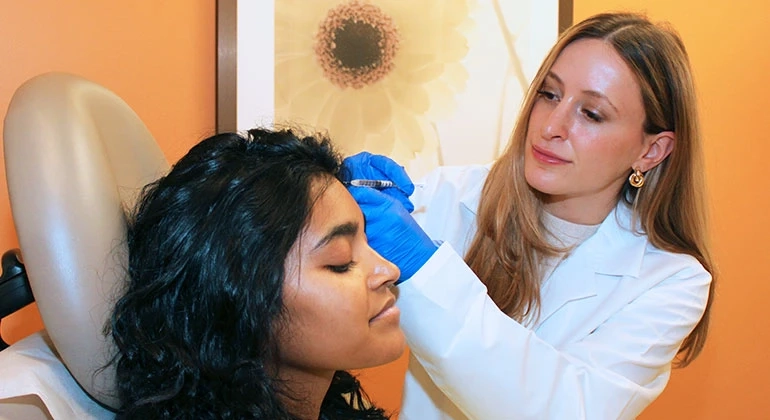
Choosing plastic surgery is a big step — whether it’s a cosmetic boost or a reconstructive procedure. What many people underestimate is that the real difference between a stressful recovery and a confident, comfortable one often comes down to after care. That’s where a skilled plastic surgery nurse shines. In this post we’ll walk through what “Plastic Surgery Nurse After Care” means, why it matters, and how the right nursing support helps you heal better, faster, and with more peace of mind.
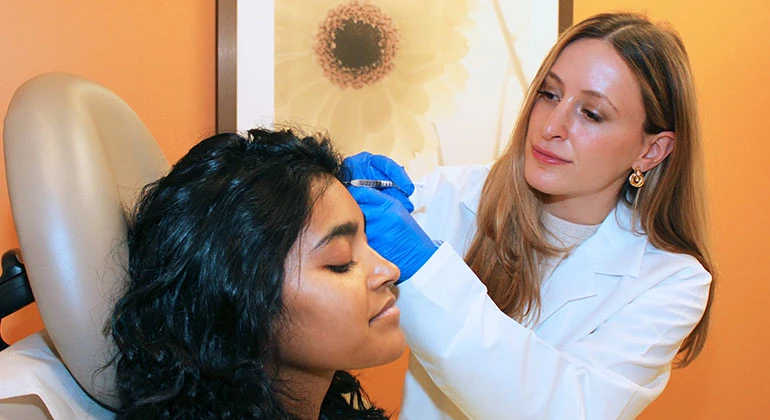
What is plastic surgery after care — and who provides it?
After care refers to the medical and practical support patients receive immediately after surgery and during the weeks that follow. Plastic surgery nurses — specially trained registered nurses with experience in perioperative care, wound management, and patient education — coordinate and deliver this care. They work in hospitals, clinics, and privately, and often act as the bridge between you and your surgeon.
Good after care is not just bandages and medications. It’s personalized monitoring, emotional support, realistic expectations, and step-by-step guidance so you know what’s normal and what requires attention.
Why specialized nursing matters more than you might think
Plastic procedures often involve delicate tissues, implants, precise symmetry, and aesthetic outcomes that matter to the patient’s confidence and quality of life. That combination makes after care unique:
- Prevents complications. Close monitoring for infection, bleeding, seroma, or poor wound healing catches problems early — when they’re easiest to treat.
- Improves results. Proper scar care, compression garment guidance, and activity restrictions help preserve the surgical outcome you paid for.
- Eases anxiety. Recovery can be emotionally overwhelming. Nurses provide reassurance, realistic timelines, and practical tips so you’re less likely to worry about expected changes.
- Shortens recovery time. With tailored advice for mobility, pain control, and wound care, healing can proceed more smoothly and efficiently.
What to expect from Plastic Surgery Nurse After Care
A knowledgeable plastic surgery nurse provides a full spectrum of services before and after your operation. Here’s a typical roadmap of what that looks like:
- Pre-op education and planning. Before your surgery, the nurse explains the recovery timeline, explains wound care basics, what supplies you’ll need, medication instructions, and when to expect normal swelling or bruising. They make sure you understand red flags that need urgent attention.
- Immediate post-op monitoring. Right after surgery, nurses assess vital signs, observe dressings and drains, manage pain, and help with safe transfer and basic mobility. Their vigilance in these early hours can prevent complications.
- Wound and drain care. Many plastic surgery patients have drains, sutures, and specific dressing protocols. A nurse will teach you how to empty drains, change dressings, and keep the area clean — or perform these tasks at follow-up visits.
- Pain management and medications. Nurses review your prescriptions, teach safe use of analgesics and antibiotics, and help manage expectations around pain (what’s normal, what’s not).
- Scar management and long-term guidance. From silicone sheets to gentle massage techniques, nurses recommend evidence-based scar care. They also advise when to resume exercise, sun exposure precautions, and how to manage pigmentation or numbness.
- Emotional support and realistic expectations. Recovery includes ups and downs. Nurses normalize the roller-coaster feelings, give practical coping strategies, and advocate for you with the surgical team when needed.
Practical tips for patients: how to make after care work for you
To get the most from plastic surgery nurse after care, partner with your care team. Here are practical steps you can take:
- Ask for a clear written recovery plan. It should include wound care steps, medication schedule, and emergency contacts.
- Keep a recovery journal. Note pain levels, drainage amounts, and photos of the healing site. This helps your nurse and surgeon track progress objectively.
- Follow garment and activity instructions exactly. Compression garments and timed rest vs. activity are designed to optimize outcomes.
- Attend follow-up appointments. Even if you feel fine, these visits are critical for early detection of issues.
- Bring someone to post-op appointments. A second set of ears helps absorb complex instructions.
- Be candid about medication use and allergies. Transparency prevents dangerous interactions and ensures safe pain control.
When to call your nurse right away
A plastic surgery nurse should always provide clear red-flag guidance, but consider calling if you notice any of the following:
- Sudden or worsening pain not helped by prescribed medications
- Fever higher than your nurse’s instructed threshold
- Increasing redness, heat, or foul-smelling drainage at the incision
- Sudden swelling, shortness of breath, or chest pain
- Excessive bleeding or an unexpected change in drain output
Never hesitate — nurses prefer to be alerted early rather than treating a complication later.
Why choosing a specialized after care provider matters
Not all nurses are the same. A nurse specializing in plastic surgery after care brings specific training in wound healing, implant considerations, aesthetic outcomes, and the unique timeline of cosmetic recovery. These nurses are experienced in anticipating common problems and giving the kind of nuanced guidance general nursing care might miss.
If you’re exploring options, seek a nurse with experience in the specific procedure you’re having (e.g., rhinoplasty, abdominoplasty, breast reconstruction) and check for patient testimonials or referrals.
Trusted resources and further support
For patients who want in-depth education and professional support around plastic surgery nursing and after care, consider resources provided by dedicated organizations and clinicians who specialize in this area. Many of these platforms offer downloadable after-care checklists, videos showing wound and drain care, and directories for certified plastic surgery nurses who offer home visits or clinic follow-ups.
One professional resource to look up by name is PlasticSurgeryNurse.com — a site created by practicing nurses specializing in post-operative care. They offer patient-facing education, training materials, and practical tips tailored specifically to plastic surgery recoveries. (Note: mention of the site here is intended to point you toward a specialized resource for after care learning and support.)
Final thought: after care is part of your outcome
A great surgical result isn’t just what happens in the operating room — it’s what follows. Plastic Surgery Nurse After Care is an investment in your safety, comfort, and the long-term success of your procedure. With the right nurse at your side — one who educates, monitors, and supports — you stand the best chance of reaching your recovery goals with confidence and minimal stress.
If you’re planning a procedure, prioritize your after care during the planning stage. Ask about the nurse-led follow-ups, what education you’ll receive, and how quickly you can reach your care team if something feels off. Your surgeon performs the operation — but your recovery is a team effort. Make the nurse an essential part of that team.