



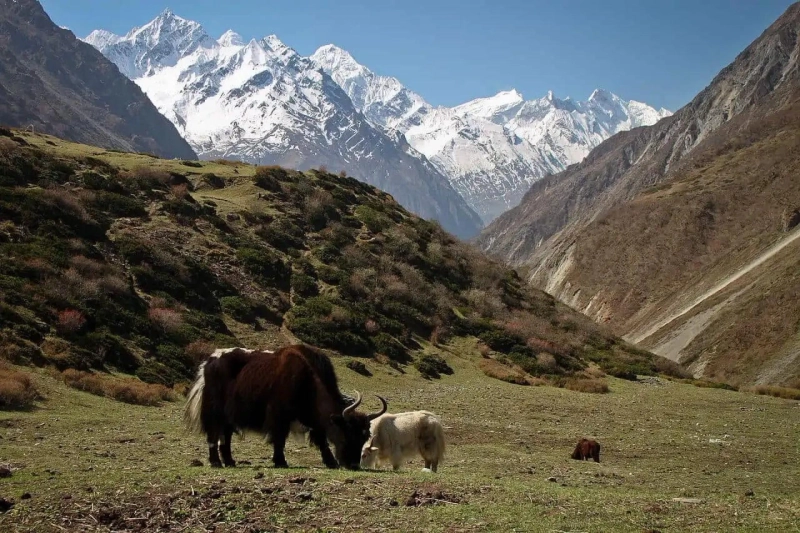
When I first planned the Tsum Valley Trek, I wondered about the challenges ahead. The Tsum Valley Trek difficulty was something I wanted to understand before setting off. We had heard that this hidden valley was remote and peaceful, but we didn’t know exactly how demanding the trek would be. Walking through the small villages and high Himalayan trails, I realized the trek offers a unique mix of calm scenery and physical challenge.
The Trail and Terrain
The Tsum Valley trail takes you through forests, rivers, and high mountain passes. The path is mostly dirt and stone, and sometimes slippery after rain. We walked along narrow trails with occasional steep climbs. Some parts felt strenuous, but the slow pace of the villages made the journey less tiring.
The trail starts at Arughat Bazaar and from there, it takes around 7 to 8 days to reach Lho, the main village in Tsum Valley. Walking every day, we covered between 12 and 18 kilometers. The terrain changes from gentle hills to rugged paths, which makes the trek moderately challenging.
Altitude and Acclimatization
One important factor in the Tsum Valley Trek difficulty is altitude. The highest point in the trek is around 3,700 meters at Mu Gompa. While this is not as high as some other Himalayan peaks, it still requires careful acclimatization. We made sure to take short breaks and drink plenty of water. Some days felt tiring, but stopping to enjoy the mountains helped us keep our energy.
Physical Fitness Required
The trek is moderate in difficulty, meaning it does not require expert mountaineering skills, but basic fitness is necessary. We had to walk long hours, sometimes five to six hours a day. Leg strength and endurance are important, as well as the ability to carry a small backpack. Most people who walk regularly and maintain light exercise can complete the trek comfortably.
Weather and Trail Conditions
Weather plays a big role in the trek’s difficulty. During autumn and spring, the weather is mostly clear, making the paths easier to walk. In monsoon season, the trail becomes slippery and some streams swell, which can make walking tricky. Snow in winter can block parts of the trail. We noticed that calm weather and sunny mornings made each day feel lighter, even on steeper stretches.
Unique Culture and Scenic Highlights
Part of what makes the Tsum Valley Trek special is the culture and scenery. We passed small Buddhist monasteries, ancient mani walls, and quaint villages. The remote feeling of the valley, which locals call a “hidden gem,” made the trek less about rush and more about discovery. Even when the trail became steep or rocky, the peaceful environment helped us move forward.
Trek Statistics
To give a clear idea
Total Duration: 7 to 10 days depending on pace
Daily Distance: 12 to 18 kilometers on average
Maximum Altitude: 3,700 meters at Mu Gompa
Trail Type: Moderate with occasional steep and rocky sections
These numbers show that the trek is accessible to those who are reasonably fit and prepared for moderate mountain walking.
Conclusion
The Tsum Valley Trek difficulty is moderate, but it requires preparation, patience, and respect for the mountains. The trail offers a balance of challenge and serenity, giving trekkers both physical activity and cultural richness. By walking steadily, acclimatizing properly, and enjoying the small villages along the way, we found the trek both achievable and unforgettable. The hidden beauty of Tsum Valley makes every step worthwhile.