


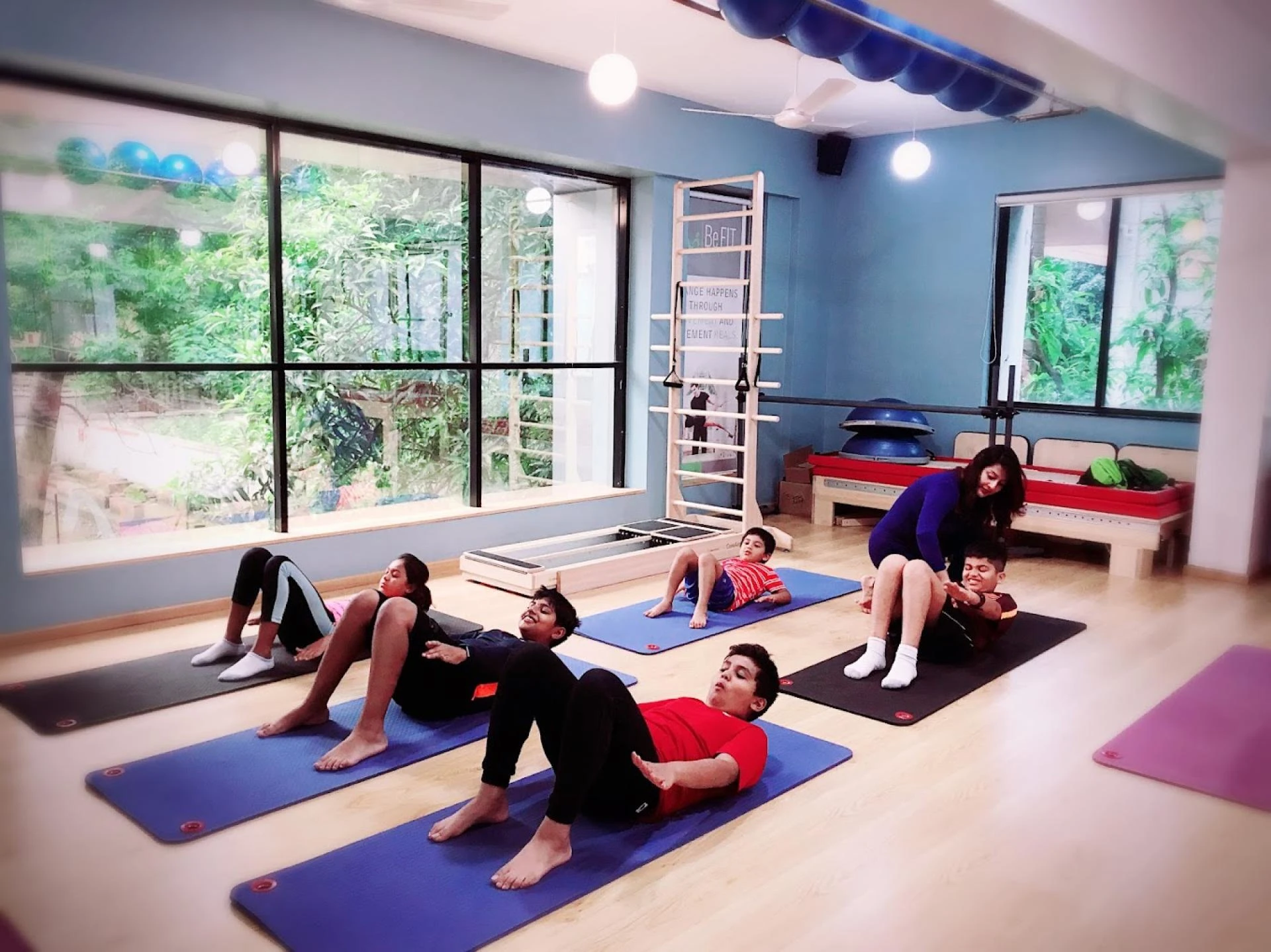
The Pilates Education Institute plays a vital role in shaping the future of fitness professionals who want to deepen their understanding of Pilates and bring its benefits to people worldwide. Pilates, a method developed in the early 20th century by Joseph Pilates, emphasizes strength, flexibility, alignment, and mindful movement. Today, it is not just a popular form of exercise but also a recognized discipline that supports rehabilitation, athletic performance, and overall well-being. Institutions dedicated to Pilates education ensure that instructors are thoroughly trained, certified, and equipped to guide individuals safely and effectively.
The Importance of Formal Pilates Education
While Pilates classes are widely available, the quality of instruction varies greatly depending on the teacher’s training. Formal education institutes serve as the foundation for setting global standards in teaching. They design structured curriculums covering anatomy, physiology, biomechanics, movement analysis, and teaching methodology. This ensures that instructors not only know how to perform the exercises but also understand why and how they work.
Trained educators learn to adapt Pilates to different populations, whether it is helping athletes improve performance, guiding seniors to maintain mobility, or assisting individuals recovering from injury. This adaptability makes Pilates education highly valuable and professional institutes essential.
What Do Pilates Education Programs Teach?
Institutes typically divide their programs into modules or levels, allowing students to progress from foundational principles to advanced techniques. Key areas of focus often include:
- History and Principles of Pilates – Understanding the origins of Pilates and its core principles like concentration, control, centering, precision, breath, and flow.
- Anatomy and Movement Science – Detailed knowledge of musculoskeletal function, posture, and alignment.
- Mat and Equipment Training – Mastery of Pilates exercises on the mat as well as specialized equipment like the Reformer, Cadillac, Wunda Chair, and Ladder Barrel.
- Teaching Methodology – Developing effective cueing, class design, progressions, and modifications for diverse client needs.
- Safety and Rehabilitation – Learning how to adjust exercises for individuals with injuries or physical limitations.
Such comprehensive education ensures instructors can work confidently in different settings, from studios and gyms to hospitals and rehabilitation centers.
Why Choose Professional Training?
For those passionate about Pilates, enrolling in a professional education institute provides several benefits:
- Credibility – Certification from a recognized institute boosts professional credibility and opens opportunities in fitness studios and wellness centers.
- Knowledge Depth – Rather than just memorizing exercises, students gain a deeper understanding of body mechanics and mindful movement.
- Client Trust – Well-trained instructors inspire confidence in their clients, as they can address unique needs safely and effectively.
- Global Opportunities – Certified professionals can teach worldwide, as many education institutes maintain international recognition.
- Continuous Growth – Most institutes encourage ongoing education through workshops, advanced training, and specialization courses.
The Role of Pilates in Today’s World
With increasing awareness of health, posture correction, and mental well-being, Pilates has become a global movement. Office workers seek it to counteract the effects of long hours at desks. Athletes use it to enhance flexibility and prevent injuries. Older adults benefit from improved balance and joint mobility. Even in rehabilitation, Pilates is widely recognized as a safe and effective method to restore strength and movement.
Institutes providing structured Pilates education ensure that this growing demand is met by skilled instructors capable of guiding clients with precision and care.
Looking Ahead
The demand for professional Pilates instructors is expected to rise as more people prioritize preventive healthcare, fitness, and holistic wellness. Education institutes play a central role in preparing the next generation of instructors, making Pilates accessible to broader communities while preserving its original essence.
By choosing to pursue formal training, aspiring instructors not only invest in their careers but also contribute to promoting a lifestyle of balance, strength, and mindful living. A Pilates education institute, therefore, is not just about learning exercises; it is about cultivating the knowledge and discipline to transform lives through movement.