Why Nutrition Matters for Pets
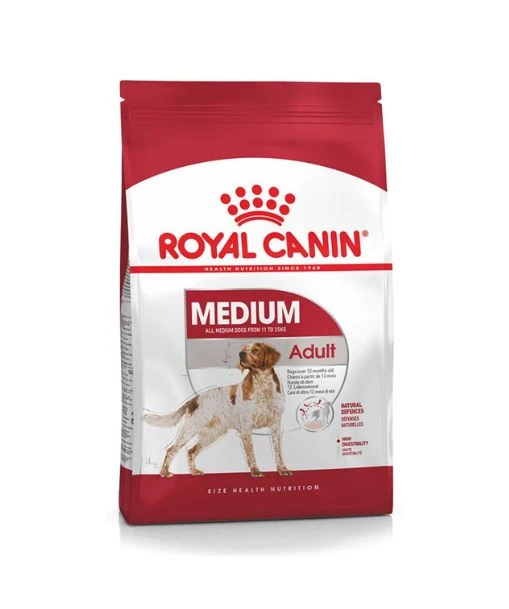
Pets are more than companions. They are family members who depend on us for care, safety, and comfort. One of the most important responsibilities we have is feeding them properly. A balanced diet helps pets stay healthy, active, and full of life. It reduces the risk of disease, supports their growth, and ensures they enjoy every stage of life. The choices we make about their food have long lasting effects, and brands like royal canin are often part of the discussion when owners search for the best nutrition.
The Science of Balanced Meals
Every pet needs the right blend of protein, fats, carbohydrates, vitamins, and minerals. Protein is especially important for building muscles and repairing tissues. Fats provide concentrated energy and support skin and coat health. Carbohydrates supply quick energy and contribute to healthy digestion when offered in moderate amounts. Vitamins and minerals act as the tiny engines that keep the body functioning, from strong bones to sharp eyesight. When these nutrients come together in balance, pets thrive in both body and spirit.
The Role of Protein in Pet Diets
Protein is the foundation of a pet’s diet. Dogs need it for their active lifestyle, and cats, being strict carnivores, cannot live without it. High quality protein sources give pets strength, resilience, and vitality. Without enough protein, animals may face weakness, slow healing, or weakened immune defenses. This is why the protein source and quality in food are so important.
The Value of Healthy Fats
Fats are more than just calories. They help the body absorb vitamins and they keep the coat soft and shiny. Omega fatty acids, especially Omega 3 and Omega 6, protect the heart, reduce inflammation, and keep joints flexible. When given in proper amounts, fats give pets energy for play and daily activity. Too much fat, however, may cause obesity, which can lead to a range of serious health problems.
The Function of Carbohydrates
Carbohydrates provide energy and also deliver dietary fiber. Fiber supports digestion, helps control appetite, and improves bowel health. Pets need easily digestible carbohydrates that release energy slowly rather than sugary fillers that cause spikes and drops in energy. A carefully managed level of carbs allows pets to stay satisfied without gaining unhealthy weight.
Vitamins and Minerals for Vitality
Vitamins and minerals are often overlooked because they are needed in small amounts, but they are crucial. Calcium and phosphorus support strong bones and teeth. Zinc helps with skin healing and coat strength. Iron ensures oxygen travels efficiently through the blood. Antioxidant vitamins like C and E protect against free radicals that damage cells over time. Since pets cannot produce these nutrients naturally, their food must deliver them.
Nutrition for Puppies and Kittens
Young pets have different needs than adults. Puppies and kittens grow quickly, which means their food must provide dense energy, higher protein levels, and the right balance of calcium and phosphorus. Their smaller stomachs require more frequent meals, so owners should divide their feeding into several portions throughout the day. Good nutrition during this stage lays the foundation for a healthy adulthood.
Adult Pet Nutrition
As pets mature, the focus changes from growth to balance. Adult pets need diets that maintain strength without causing excess weight. This means measured portions, controlled calories, and steady levels of protein, fat, and carbs. Adult food also supports dental health, skin condition, and digestive efficiency. When owners adjust meals carefully, adult pets maintain their energy and avoid unnecessary health risks.
Senior Pets and Their Needs
Aging changes a pet’s body. Energy levels slow down, joints may weaken, and organs like the kidneys or heart may need extra support. Senior diets often feature lower calories, easy to digest proteins, and added supplements like glucosamine for joint care. Antioxidants become even more important to fight age related cell damage. Adjusting nutrition for older pets is one of the best ways to keep them comfortable and active in their later years.
Hydration and Its Role in Health
Water is an essential part of pet nutrition. Dogs and cats cannot stay healthy without it. Hydration supports every body function, from digestion to temperature control. Cats often drink less than they should, which can lead to kidney issues. Wet food or water fountains can encourage better hydration. Dogs, especially active ones, must always have access to fresh clean water, particularly in warm weather.
Digestive Wellness and Fiber Support
A healthy digestive system allows pets to absorb all the nutrients from their food. Fiber supports the gut, feeding beneficial bacteria and helping with smooth digestion. Some pets benefit from prebiotics and probiotics, which keep the gut balanced and reduce problems like diarrhea or constipation. Sudden changes in diet should be avoided since they may upset the stomach. Gentle, gradual adjustments always work better.
Weight Management in Pets
Obesity is a rising issue among pets worldwide. Too many calories and too little exercise lead to serious health risks like diabetes, arthritis, and heart strain. Weight control is achieved through portion management, scheduled meals, and regular exercise. Measuring food rather than guessing prevents overfeeding. Owners who keep a close eye on their pet’s body condition can prevent obesity before it develops.
Food Allergies and Sensitivities
Some pets suffer from food allergies or intolerances. Common triggers include chicken, beef, dairy, or grains. Signs of an allergy may include itchy skin, ear infections, or digestive trouble. Identifying the allergen and choosing an alternative diet is the best way to solve the problem. Special diets designed to reduce allergic reactions are available, and they can make a dramatic difference in comfort and long term health.
Breed and Size Considerations
Different breeds and sizes have unique dietary needs. Large breed dogs must have controlled minerals to avoid bone disorders, while small breed dogs need energy rich food to match their fast metabolism. Cats of certain breeds may be prone to urinary or digestive conditions that benefit from tailored diets. Recognizing breed and size requirements helps owners choose the best food for long term health.
Feeding as a Bonding Activity
Feeding is not only about nutrition. It is a daily ritual that builds trust and connection between pet and owner. Pets recognize their caregivers as providers, and mealtimes are moments of joy and comfort. However, this emotional side of feeding must not lead to overfeeding. Balanced meals and controlled treats allow owners to show love while protecting health.
The Market for Premium Pet Food
The pet food industry is changing. More owners are interested in premium nutrition with higher quality ingredients, natural options, and specialized formulas. Products now include grain free recipes, organic blends, and food enriched with supplements for joint care or digestion. This growth reflects the belief that pets deserve the same quality of nutrition as any family member. In the middle of these choices, royal canin and other brands have developed options for different breeds, life stages, and health conditions.
The Role of Veterinarians in Nutrition
Veterinarians guide owners through the complex world of pet diets. They help assess weight, check coat condition, and identify health problems that may require dietary changes. For pets with kidney disease, heart issues, or digestive concerns, a veterinarian’s advice is essential. While marketing messages can be strong, veterinary input ensures choices are safe, scientific, and personalized.
Routine and Portion Control
Consistency keeps pets balanced. A set feeding schedule trains their digestive system and prevents overeating. Portion control is essential since even a small excess of daily calories can lead to obesity over time. Owners who measure food and resist the urge to give extra snacks keep their pets healthier in the long run. Dividing meals into two or three portions per day also helps with digestion.
Supplements for Targeted Support
Some pets benefit from supplements added to their diet. Omega fatty acids support skin, coat, and joints. Probiotics strengthen the digestive system. Vitamins may help older pets maintain energy and immunity. These additions should always be guided by professional advice. Over supplementation can be harmful, so balance is key.
The Future of Pet Nutrition
Pet nutrition is moving toward personalization. DNA based diets, technology driven feeding tools, and eco friendly protein sources are being developed. Insect protein and plant based alternatives aim to reduce the environmental footprint of pet food while maintaining nutritional value. The industry is also exploring more natural and holistic approaches to wellness, blending science with sustainability.
The Whole Picture of Wellness
Nutrition does not stand alone. Exercise, grooming, mental stimulation, and regular veterinary visits complete the circle of pet wellness. A pet that eats well but does not exercise may still develop problems. A healthy life comes from balance in all areas. Owners who commit to this holistic approach give their pets the best chance at a long and joyful life.
Conclusion: Feeding with Care
The way we feed our pets shapes their entire life journey. From the first weeks as puppies or kittens to the golden years of senior life, nutrition must adapt to meet their needs. Owners who pay attention to balance, hydration, digestion, and portion control create a strong foundation for wellness. With love and knowledge, every meal becomes an act of care. For many families, trusted products such as royal canin remain part of that journey, but the larger message is simple: when we feed wisely, we give our pets the gift of health and happiness.