



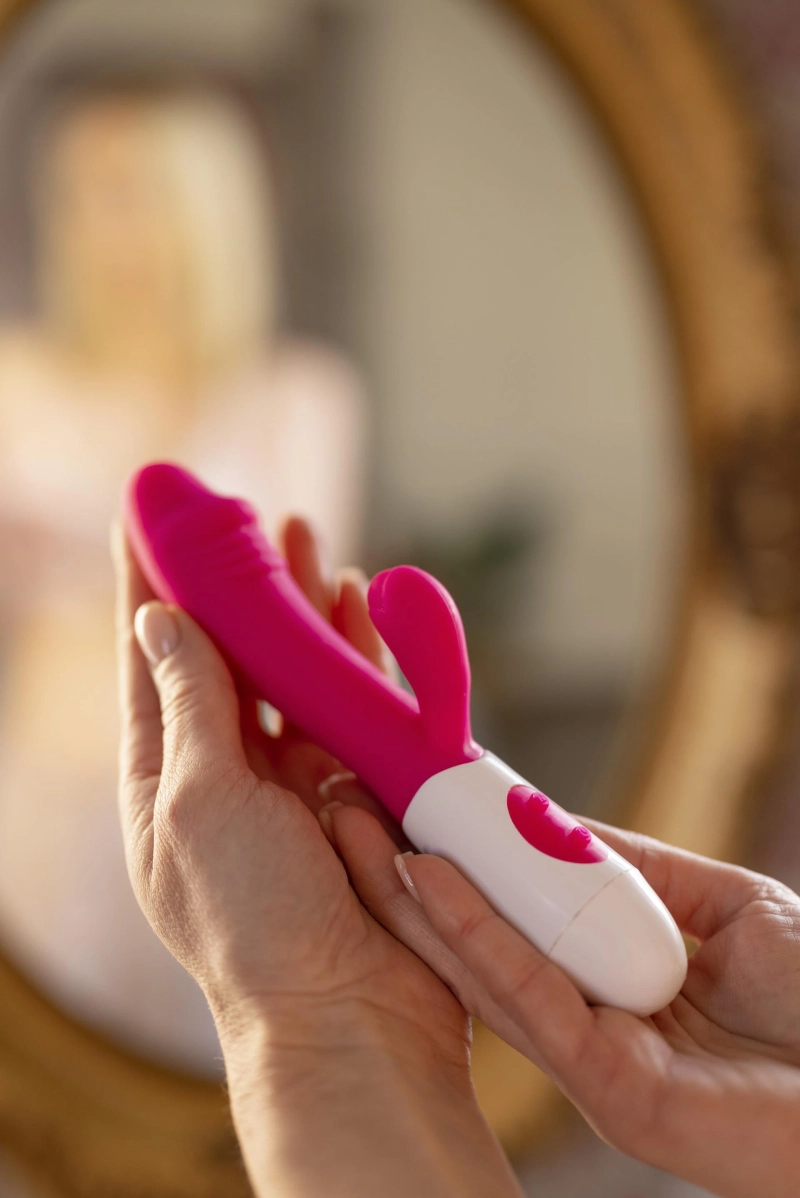
Conversations around women’s personal wellness are becoming more open, supportive, and positive. One important part of this shift is the growing acceptance of personal wellness devices designed to support comfort, relaxation, and body awareness.
This article offers a calm, respectful overview of these products, how to choose them, and how to use them safely and confidently—without using explicit language.
Why Personal Wellness Devices Matter
Personal wellness devices for women can play a meaningful role in overall well-being:
Body awareness—They help women better understand their own bodies, preferences, and comfort levels.
Stress relief—Gentle sensations and focused time for oneself can support relaxation and reduce daily stress.
Confidence—Feeling at ease with your own body can improve self‑esteem and emotional health.
Communication—Understanding what feels comfortable makes it easier to talk openly with a partner about needs and boundaries.
Common Types of Personal Wellness Devices
1. External Relaxation Devices
These are small handheld devices designed to provide gentle sensations on the outer areas of the body.
Often chosen for:
People who are curious but new to personal wellness tools
Those who prefer light, surface‑level sensations
Discreet, easy‑to‑store options
They come in different shapes, such as compact sticks, rounded stones, or palm‑sized designs, so users can select what feels easy to hold and guide.
2. Internal Wellness Devices
These devices are designed for use inside the body, providing a gentle sense of pressure or fullness.
Often chosen for:
People who want to explore internal comfort
Those who enjoy a calm, steady feeling instead of strong sensations
Look for products that are smooth, body‑safe, and available in different sizes so you can choose what feels most comfortable.
3. Dual‑Action Devices
Dual‑action devices are designed to reach both internal and external areas simultaneously.
Often chosen for:
People who are already familiar with personal wellness tools
Those who like combined, all‑around sensations
Many dual‑action devices include multiple settings so users can select softer or more noticeable sensations, depending on their mood and comfort level.
4. Air‑Pulse Style Devices
Instead of direct contact, these devices use gentle pulses of air around sensitive external areas.
Often chosen for:
People who find direct contact too strong or uncomfortable
Those who prefer a lighter, surrounding sensation
These tools can feel very different from traditional devices and are sometimes described as more delicate and focused.
5. Pelvic Wellness Balls
Pelvic wellness balls (often known as Kegel balls) are small, weighted products placed inside the body to encourage light muscle engagement.
Benefits can include:
Supporting pelvic muscle tone
Assisting with core stability
Improving awareness and control of deep muscles
They are often recommended as part of a broader wellness routine, and some people use them after major life events like childbirth—always with guidance from a healthcare professional.
How to Choose the Right Product
1. Think About Your Comfort Level
Ask yourself:
Do I prefer gentle, external contact only?
Am I curious about internal sensations, or do I want to begin slowly?
Do I want a simple, beginner‑friendly design or something with more settings and features?
Your comfort is the top priority. There is no “right” or “wrong” choice—only what feels suitable for you.
2. Pay Attention to Materials
Look for body‑safe, high‑quality materials, such as:
Smooth, medical‑grade silicone
Polished glass or stainless steel (from reputable brands)
ABS plastic that is clearly labeled as body‑safe
Avoid products that have a strong chemical smell, sticky or uneven surfaces, or unclear material labels.
3. Consider Power, Settings, and Sound
Many modern devices offer different patterns and intensity levels.
If you are new to this, start with a device that has softer settings.
If privacy matters, look for products described as quiet or low‑noise.
Rechargeable options are convenient and often more eco‑friendly than those that require disposable batteries.
4. Think About Design and Ease of Use
Choose shapes that seem easy to hold and guide with one hand.
Simple buttons or controls are better for beginners.
Waterproof or water‑resistant options can be more versatile and easier to clean.
Safety and Hygiene Guidelines
Using personal wellness devices should always feel safe and reassuring.
Clean before and after each use with warm water and a mild, fragrance‑free soap, or a cleaner specifically made for these products.
Use a suitable comfort gel (often called a lubricant) to reduce friction and make everything feel smoother.
With silicone products, a water‑based gel is usually recommended.
With glass, metal, or hard plastic, either water‑based or silicone‑based gels are typically fine (check the instructions).
Store in a clean, dry place, ideally in a small pouch or separate compartment to keep dust away.
Do not share personal devices directly with others. If sharing is unavoidable, use a protective barrier and clean thoroughly afterwards.
Listen to your body: If anything feels uncomfortable, too intense, or causes irritation, stop using it and give yourself time to rest. If needed, seek advice from a healthcare professional.
Using Devices Alone or With a Partner
Personal wellness devices are not only for private time; they can also be used respectfully within relationships.
On your own, they can:
Give you space to explore your body calmly
Help you learn what feels soothing and what does not
Support relaxation after a long day
With a partner, they can:
Encourage honest conversations about boundaries and comfort
Bring variety and playfulness to shared moments
Reduce stress or pressure around physical closeness
The key is clear communication, mutual respect, and ongoing consent.
Handling Guilt, Taboo, or Shame
Many people grow up with messages that make them feel uneasy about personal wellness tools. These feelings are understandable, but they do not have to define your choices.
Remind yourself:
Caring for your own body is a normal and healthy part of adult life.
Personal wellness products are simply tools, similar to skincare or fitness equipment, designed to support well-being.
Emotional, mental, and physical comfort are all connected—and you deserve to feel at ease in your own skin.
Talking with trusted friends, partners, or professionals can also help normalize the topic and reduce any sense of isolation or embarrassment.
Final Thoughts
Personal wellness devices for women are about self‑care, comfort, and confidence. Whether you are gently exploring for the first time or looking to upgrade to a more advanced product, let your own comfort guide your decisions.
Choose products that are safe, high‑quality, and aligned with your values. Move at your own pace, listen to your body, and remember: prioritizing your well-being is not something to be ashamed of.
https://bit.ly/46if97K