
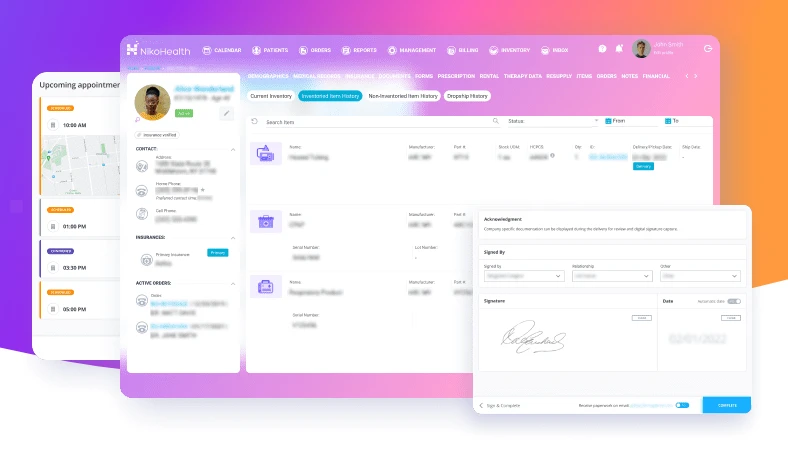
Healthcare providers specializing in home medical equipment (HME) face the dual challenge of ensuring patient well-being while managing logistics efficiently. One crucial aspect of this process is patient resupply for HME. Proper management of resupply processes not only guarantees that patients receive essential equipment and supplies on time but also contributes to operational efficiency and regulatory compliance. In this article, we will explore what patient resupply entails, why it is critical for HME providers, the challenges faced, and how technology can streamline the process.
Understanding Patient Resupply for HME
Patient resupply for HME refers to the ongoing provision of medical equipment, devices, and consumables to patients who require them at home. This includes items like:
- Oxygen concentrators and cylinders
- CPAP and BiPAP machines
- Nebulizers
- Enteral feeding supplies
- Incontinence products
- Wound care and dressing materials
The process is not limited to delivering new equipment but also involves:
- Monitoring inventory levels for patients’ specific needs
- Scheduling timely deliveries based on usage patterns
- Ensuring compliance with prescription guidelines and insurance coverage
- Managing returns, repairs, and replacements
Effective patient resupply ensures patients remain compliant with their prescribed therapy, which directly impacts their health outcomes.
Importance of Timely Patient Resupply
Timely resupply is critical for several reasons:
1. Ensuring Patient Health and Safety
For patients using life-sustaining equipment such as ventilators or oxygen concentrators, delays in resupply can pose serious health risks. Missing a scheduled delivery of critical supplies may lead to adverse events, hospitalizations, or deterioration in patient condition.
2. Enhancing Patient Satisfaction
Home care is centered around patient convenience and comfort. Reliable resupply fosters trust between HME providers and patients. Patients are more likely to adhere to their treatment regimens when they receive consistent, timely supplies.
3. Supporting Regulatory Compliance
HME providers must comply with a variety of regulations concerning patient safety, device maintenance, and insurance documentation. Accurate resupply tracking ensures adherence to these rules and avoids penalties or loss of accreditation.
4. Reducing Operational Costs
Efficient resupply reduces waste and prevents overstocking or last-minute emergency deliveries. By forecasting patient needs and maintaining optimal inventory levels, providers can minimize unnecessary expenses and improve profit margins.
Challenges in Patient Resupply for HME
Despite its importance, managing patient resupply comes with several challenges:
1. Complex Inventory Management
HME providers often deal with a large inventory of diverse equipment and consumables. Keeping track of what each patient needs, their usage frequency, and inventory levels can be overwhelming without the right systems in place.
2. Insurance and Documentation Hurdles
Many HME supplies are covered by insurance, requiring providers to submit proper documentation for each resupply. Errors in coding, missing authorizations, or delayed submissions can lead to rejected claims and delayed resupply.
3. Transportation and Logistics
Delivering medical supplies to patients’ homes involves logistical planning, route optimization, and ensuring equipment is handled safely. Unexpected challenges like traffic, equipment malfunctions, or staffing shortages can affect timely delivery.
4. Patient Non-Adherence
Some patients may delay reporting their supply needs or fail to use equipment as prescribed. This makes predicting resupply schedules more difficult, potentially leading to either shortages or overstocking.
5. Data Management
Accurate data on patient usage, prescription changes, and resupply history is vital for decision-making. Without integrated systems, HME providers may struggle to maintain real-time visibility, increasing the risk of errors.
Strategies for Efficient Patient Resupply
To overcome these challenges, HME providers are adopting several best practices:
1. Implementing Automated Resupply Systems
Using technology to automate resupply schedules can significantly improve efficiency. Automated systems can:
- Track usage rates and predict when supplies will run out
- Generate alerts for upcoming resupply needs
- Ensure compliance with prescription and insurance requirements
- Facilitate electronic documentation submission
This reduces the administrative burden on staff and helps prevent missed deliveries.
2. Leveraging Patient Portals and Communication Tools
Modern HME providers often use patient portals or mobile apps that allow patients to:
- Request resupply directly
- Track delivery status
- Receive reminders for equipment usage or supply refills
This improves patient engagement, reduces communication errors, and ensures timely resupply.
3. Optimizing Inventory Management
Effective inventory management requires real-time tracking of supplies, understanding consumption patterns, and forecasting demand. HME providers can use software to:
- Maintain optimal stock levels for each product category
- Track expiration dates and returns
- Manage multiple warehouse locations efficiently
A well-organized inventory ensures that patient resupply is smooth and uninterrupted.
4. Streamlining Logistics and Delivery
Route optimization software and delivery management systems help ensure timely and cost-effective delivery of supplies. Some HME providers also partner with specialized medical logistics companies to handle sensitive or large equipment.
5. Training and Staff Development
Staff who understand the importance of accurate resupply and patient interaction can significantly improve operational efficiency. Regular training on equipment handling, regulatory compliance, and customer service is essential.
Role of Technology in Patient Resupply for HME
Technology plays a transformative role in patient resupply, providing solutions to the challenges outlined above. Key technological tools include:
1. HME Management Software
Comprehensive HME management software integrates multiple functions: inventory management, resupply scheduling, billing, insurance claim tracking, and patient communications. Such platforms can:
- Automate recurring resupply schedules
- Provide analytics on usage trends
- Generate alerts for expiring or low-stock items
This allows HME providers to focus on patient care rather than administrative tasks.
2. Telehealth and Remote Monitoring
Remote monitoring devices can send real-time data on patient usage of equipment such as oxygen concentrators, CPAP machines, or infusion pumps. This data can:
- Inform resupply timing based on actual consumption
- Detect non-adherence early
- Provide insights for personalized patient care
3. Data Analytics and Predictive Modeling
Advanced analytics help providers anticipate supply needs and optimize resupply frequency. Predictive models can identify trends in patient usage, seasonal demands, or equipment failure patterns, enabling proactive resupply management.
4. Mobile Applications
Mobile apps for patients and field staff improve communication, track deliveries, and provide real-time updates. Patients can request resupply instantly, while staff can access delivery routes, inventory status, and patient history from the field.
Benefits of an Efficient Patient Resupply Program
When executed effectively, patient resupply programs offer numerous benefits:
- Improved Patient Outcomes: Patients receive the right supplies on time, supporting adherence and overall health.
- Higher Patient Satisfaction: Consistent and reliable service builds trust and loyalty.
- Reduced Operational Costs: Streamlined resupply reduces emergency deliveries, waste, and administrative overhead.
- Regulatory Compliance: Accurate records and automated workflows support adherence to healthcare regulations.
- Scalable Operations: Technology-enabled resupply processes can scale as the patient base grows, without compromising quality.
Future Trends in Patient Resupply for HME
The HME industry continues to evolve, and patient resupply is likely to see several key trends:
1. Increased Automation
Automated resupply systems will become more sophisticated, integrating AI to predict supply needs more accurately and optimize delivery routes dynamically.
2. Integration with Electronic Health Records (EHRs)
Linking resupply systems with EHRs will enable seamless tracking of prescriptions, treatment changes, and insurance coverage, reducing manual data entry and errors.
3. Personalized Supply Plans
With advanced analytics and remote monitoring, resupply can be tailored to individual patient needs, ensuring that patients receive the right quantities at the right time.
4. Enhanced Patient Engagement
Patient portals and mobile apps will continue to expand, providing education, reminders, and support for patients to improve adherence and engagement with their care plans.
5. Sustainability Considerations
HME providers will focus on reducing waste in resupply processes, optimizing packaging, and adopting environmentally friendly logistics practices.
Conclusion
Patient resupply for HME is a critical component of home healthcare operations. Ensuring timely and accurate delivery of equipment and supplies improves patient outcomes, enhances satisfaction, and supports operational efficiency. By embracing technology, optimizing inventory and logistics, and engaging patients through digital tools, HME providers can create a reliable and scalable resupply system.
In an era of increasing home-based care, patient resupply for HME is not just a logistical necessity—it is a key factor in delivering high-quality, patient-centered care. Providers who prioritize effective resupply strategies are better positioned to thrive in a competitive market while improving the lives of the patients they serve.