



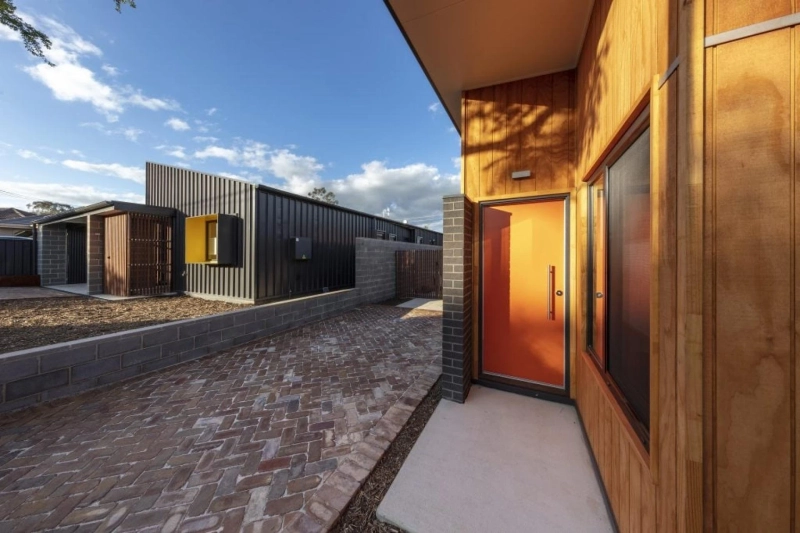
Living comfortably while keeping energy bills low used to feel like a trade-off. You either enjoyed a warm, cozy home in winter and paid for it later, or you bundled up and tried to save energy. Passive homes change that story completely. They offer a smarter way to live—one where comfort, sustainability, and long-term savings work together instead of against each other.
What Is a Passive Home?
A passive home is designed to maintain a stable indoor temperature all year round with very little need for active heating or cooling. Instead of relying heavily on heaters or air conditioners, these homes use smart design principles to naturally regulate indoor comfort.
The idea began in Europe, where cold climates demanded energy-efficient solutions, but it has quickly gained popularity worldwide. Today, interest in Passive Homes Canberra is growing as homeowners look for better ways to stay comfortable in both hot summers and chilly winters.
The Core Principles Behind Passive Homes
Passive homes are not about adding fancy gadgets or expensive technology. They are built around a few carefully considered design elements that work together.
First, there is excellent insulation. Walls, roofs, and floors are designed to keep heat inside during winter and outside during summer. This creates a thermal envelope that protects the home from temperature extremes.
Second, airtight construction plays a major role. Passive homes are built to minimize unwanted air leaks. While this may sound counterintuitive, it actually improves comfort by eliminating drafts and cold spots.
Third, high-performance windows are essential. These windows are strategically placed to capture natural sunlight during cooler months while limiting heat gain during warmer periods. Double or triple glazing is common, helping maintain consistent indoor temperatures.
Finally, controlled ventilation ensures fresh air flows through the home without losing heat. Heat recovery ventilation systems bring in clean air while retaining warmth, keeping the indoor environment healthy and comfortable.
Why Passive Homes Feel So Comfortable
One of the first things people notice when they step into a passive home is how balanced the temperature feels. There are no icy corners in winter or overheated rooms in summer. Every space feels evenly comfortable.
This is because passive homes reduce temperature swings. Once the home reaches a comfortable level, it stays there with minimal energy input. The result is a calm, steady indoor climate that feels natural and welcoming.
Another often-overlooked benefit is improved air quality. With continuous fresh air circulation and advanced filtration, passive homes reduce dust, pollen, and pollutants. This can be especially helpful for families with allergies or respiratory concerns.
Energy Efficiency That Makes Sense
Energy efficiency is at the heart of passive home design. By dramatically reducing the need for heating and cooling, these homes consume far less energy than traditional houses.
Over time, this efficiency translates into lower utility bills. While the initial construction cost may be slightly higher, the savings add up year after year. Many homeowners find that the long-term financial benefits far outweigh the upfront investment.
In regions where energy costs fluctuate, such as Canberra, this stability can be a major advantage. Passive Homes Canberra are designed to perform efficiently in local climate conditions, offering predictable comfort and energy use throughout the year.
A Sustainable Choice for the Future
Beyond personal comfort and savings, passive homes are a powerful step toward a more sustainable future. Reduced energy consumption means lower carbon emissions, which helps lessen the environmental impact of residential living.
Passive homes also tend to use durable, high-quality materials. This not only improves performance but also reduces the need for frequent repairs or replacements. The result is a home that lasts longer and wastes less.
For homeowners who care about leaving a positive legacy, passive homes offer a practical way to align daily living with environmental responsibility.
Are Passive Homes Suitable for Every Lifestyle?
One common misconception is that passive homes are rigid or limited in design. In reality, they can be tailored to suit a wide range of lifestyles and architectural styles.
Whether you prefer a modern minimalist look or a more traditional aesthetic, passive design principles can be integrated seamlessly. The focus is on how the home functions, not how it looks.
Passive homes also adapt well to family life. Quiet interiors, consistent temperatures, and improved air quality create a peaceful living environment. Many people find their homes feel calmer and more enjoyable to spend time in.
Building or Buying a Passive Home
If you are considering building a passive home, working with experienced designers and builders is essential. Passive design requires careful planning from the earliest stages, including site orientation, window placement, and material selection.
For those looking to buy, passive homes are becoming more available as awareness grows. While they may still be less common than traditional houses, demand is steadily increasing, particularly in areas focused on sustainability and smart living.
As interest in Passive Homes Canberra continues to rise, more builders and developers are embracing this approach, making it easier for homeowners to explore this option.
The Smart Way Forward
Passive homes are not just a trend—they represent a smarter way of thinking about how we live. By focusing on comfort, efficiency, and sustainability, they offer a lifestyle that feels good today and makes sense for the future.
Choosing a passive home means enjoying a space that works with nature rather than against it. It means fewer bills, better air, and a more comfortable place to call home. For anyone looking to invest in long-term comfort and energy efficiency, passive homes offer a compelling and practical solution.