




In the high-stakes world of chemical manufacturing, the container that holds a product is just as critical as the formula inside. For many organizations, packaging is viewed as a line item or a final logistical hurdle. However, forward-thinking leaders recognize that packaging is actually a primary tool for risk management. By investing in quality packaging solutions, chemical brands can mitigate the physical, financial, and regulatory risks that are inherent to the industry. When viewed through a strategic lens, the right packaging becomes a safeguard for brand reputation and a foundation for long-term operational stability.
Mitigating Chemical Reactivity and Product Degradation
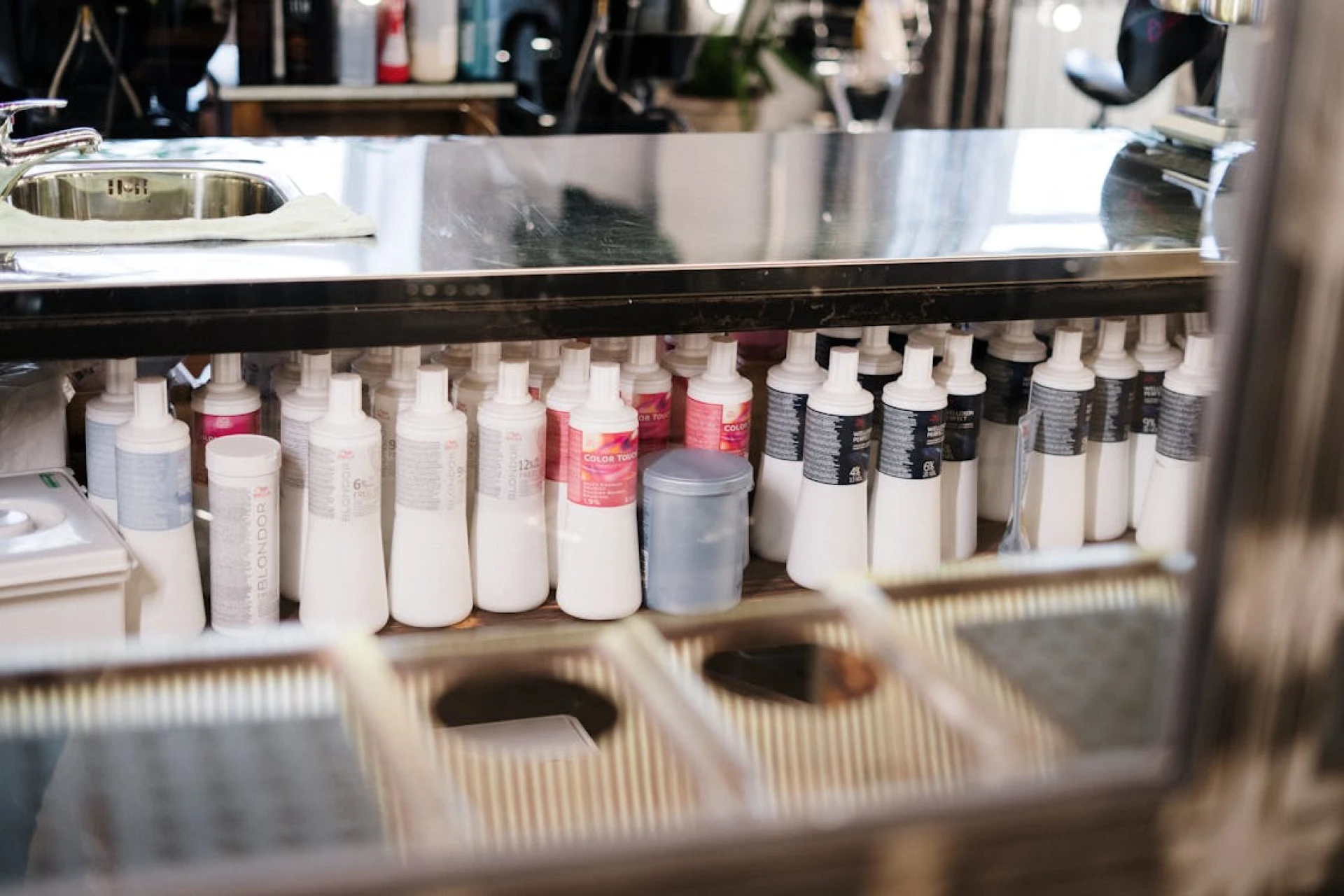
The first layer of risk management in the chemical sector is the prevention of hazardous reactions. Chemical products are often volatile, corrosive, or sensitive to environmental changes. If the packaging material is not perfectly compatible with the substance it holds, the results can be disastrous. Container failure can lead to leaks that endanger warehouse personnel or cause environmental contamination that is incredibly costly to remediate.
Strategic packaging starts with rigorous compatibility testing. This process ensures that the plastic, metal, or glass used for a container will not degrade over time when exposed to a specific pH level or solvent. It also accounts for external factors such as ultraviolet light or temperature fluctuations that could trigger a reaction within the vessel. By treating the container as an extension of the product itself, brands can ensure that their formulas remain stable from the moment they are filled until they reach the end user.
Regulatory Compliance as a Competitive Advantage
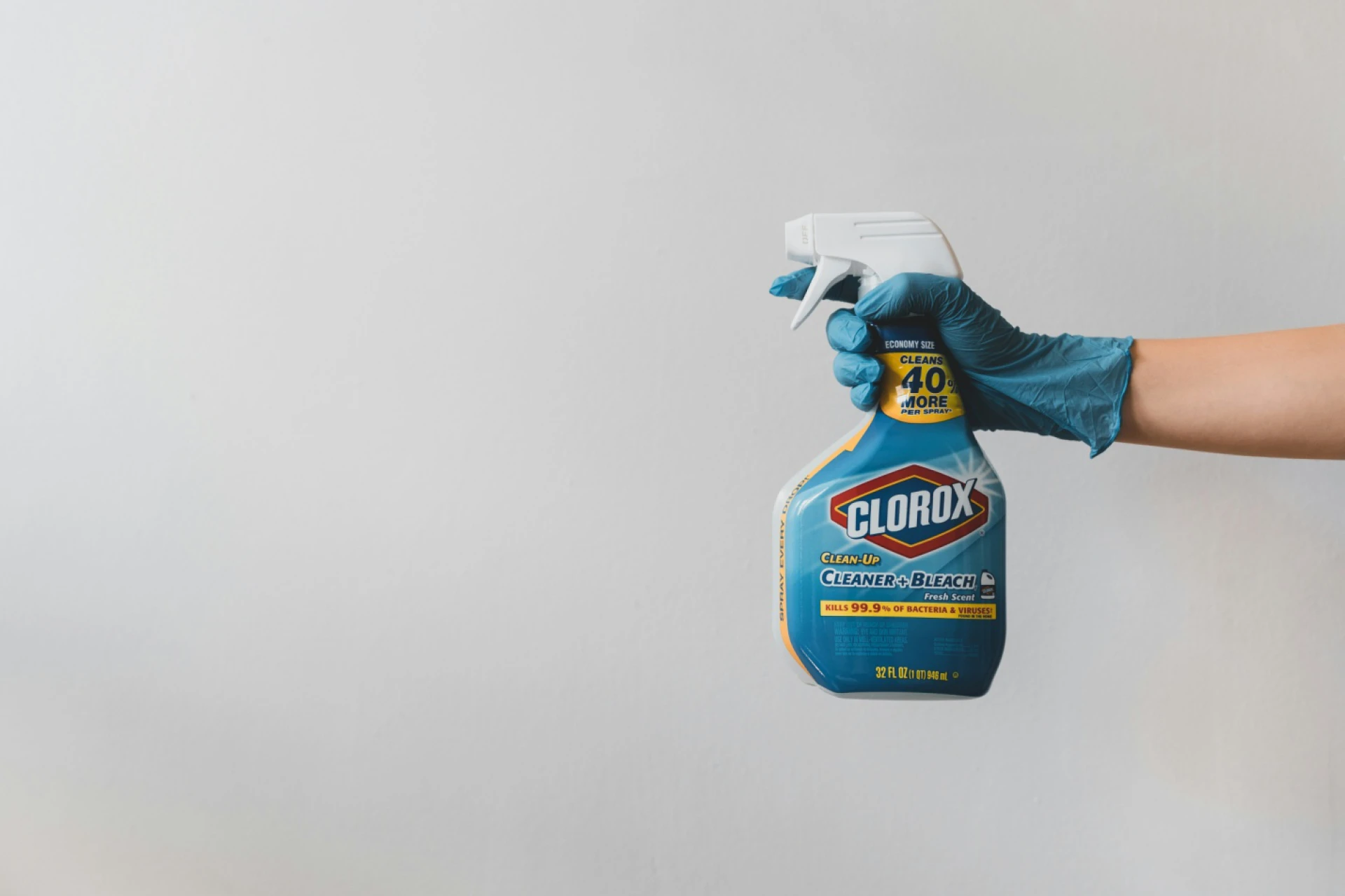
The chemical industry is subject to some of the most stringent regulations in the global market. Between the Department of Transportation, the Environmental Protection Agency, and international maritime standards, the requirements for shipping hazardous materials are incredibly complex. Non-compliance is a massive financial and legal risk. Fines for improper labeling or non-certified containers can reach tens of thousands of dollars per violation.
However, when a brand views packaging as a strategic asset, compliance becomes more than just a box to check. It becomes a competitive advantage. Companies that consistently meet or exceed safety standards find it easier to enter new markets and secure contracts with large scale industrial distributors. By working with experts who understand the nuances of UN-rated packaging and Hazard Communication standards, brands can avoid the delays and penalties that often plague less diligent competitors.
Safeguarding the Supply Chain from Physical Hazards
The journey from a manufacturing plant to a customer is rarely smooth. Products are subjected to vibration, stacking pressure, and rough handling during transit. For any other company, a dented container is a cosmetic issue. For a chemical company, a compromised container is a significant safety hazard.
Strategic risk management requires looking at the secondary and tertiary packaging as well. This includes the pallets, shrink wrap, and dunnage used to secure the product. If a single bottle in a shipment leaks due to poor secondary containment, it can contaminate the entire pallet and potentially damage the vehicle or other cargo. By engineering packaging to withstand the "worst case scenario" of the supply chain, chemical brands protect themselves against the high costs of insurance claims and lost inventory.
Protecting Brand Integrity and Customer Trust
Beyond the physical and legal risks, there is the intangible risk of brand damage. In the B2B chemical market, reliability is the most valuable currency. Customers rely on these products for their own production lines or services. If a shipment arrives damaged or the packaging fails during storage at a customer site, the professional relationship is immediately compromised.
A failure in packaging is often perceived by the customer as a failure in the product itself. It suggests a lack of attention to detail and a disregard for safety. Conversely, a brand that delivers its chemicals in high quality, easy to use, and secure packaging reinforces a message of professionalism and care. This builds trust and fosters long term loyalty, which is essential for maintaining market share in a crowded industry.
The Economic Impact of Prevention
The cost of a robust packaging strategy is often much lower than the cost of a single major failure. When a brand experiences a chemical spill due to poor packaging, the expenses compound rapidly. There are the costs of the lost product, the emergency cleanup fees, the regulatory fines, and the potential legal fees from injured parties or environmental groups.
When these risks are quantified, the investment in premium materials and expert contract filling services becomes clearly justified. Strategic brands do not look for the cheapest possible container. Instead, they look for the most reliable containment system that minimizes their total cost of risk. This proactive approach allows companies to allocate their resources toward innovation and growth rather than crisis management and remediation.
Conclusion: A Foundation for Resilient Growth
In conclusion, packaging should never be an afterthought for chemical brands. It is a critical component of a comprehensive risk management strategy that protects every aspect of the business. From ensuring chemical stability and regulatory compliance to safeguarding the supply chain and maintaining customer trust, the strategic value of the container is immense. By prioritizing safety and quality at the point of packaging, chemical manufacturers can build a more resilient and profitable future.
Master Your Risk Management with Expert Packaging from Custom Pak Illinois
Protect your products with Custom Pak Illinois. They deliver elite quality packaging solutions and contract packaging services that safeguard your business. From co packing solutions to turnkey packaging programs, we handle it all. Contact their team today for a consultation.