



In today's fast-paced world, childcare services have become an indispensable part of family life, especially as more parents balance work and home responsibilities. As of 2025, the global childcare market is projected to reach $245.04 billion, reflecting the growing demand for reliable, high-quality care options. These services encompass a wide range of programs designed to nurture children's development while providing parents with peace of mind. This article delves into the various types of childcare services available and explores their profound importance for children, families, and society at large. By understanding these elements, parents can make informed decisions that support their child's growth and their own professional aspirations.
Childcare services refer to organized care provided to children, typically from infancy through school age, outside of their home environment. They are regulated by state and federal guidelines to ensure safety, health, and educational standards. In the United States, for instance, programs must meet minimum standards for safe sleep, child guidance, transportation, and health practices. The evolution of these services has been driven by societal shifts, including increased workforce participation by women and the recognition of early childhood education's role in long-term success. With challenges like staff shortages and affordability persisting—particularly in areas labeled as "child care deserts"—it's crucial for families to navigate these options wisely.
Types of Childcare Services
Childcare comes in diverse forms to suit different family needs, budgets, and preferences. Each type offers unique benefits and considerations, from structured group settings to more intimate home-based care. Here's a breakdown of the most common types, drawing from established frameworks in 2025.
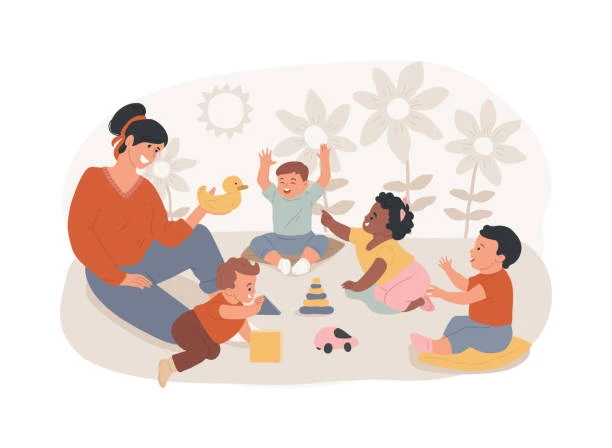 Child Care Centers: These are licensed facilities that care for larger groups of children, often divided by age. They provide structured programs with educational activities, meals, and playtime. Pros include exposure to diverse peers, qualified staff with early childhood education credentials, and adherence to strict safety regulations. However, they can be more expensive and less flexible with hours. In 2025, many centers integrate technology, such as apps for parent updates, to enhance communication. Ideal for families seeking a school-like routine, these centers often follow curricula that prepare kids for kindergarten.
Family Child Care Homes: Operated in a provider's home, these settings offer care for smaller groups, typically up to six children. They provide a cozy, home-like atmosphere with flexible scheduling and personalized attention. Benefits include mixed-age interactions, which foster mentoring among siblings-like groups, and often lower costs compared to centers. Drawbacks might include limited resources or reliance on a single caregiver. Licensed family homes must meet health and safety standards, making them a popular choice for infants and toddlers who thrive in nurturing environments.
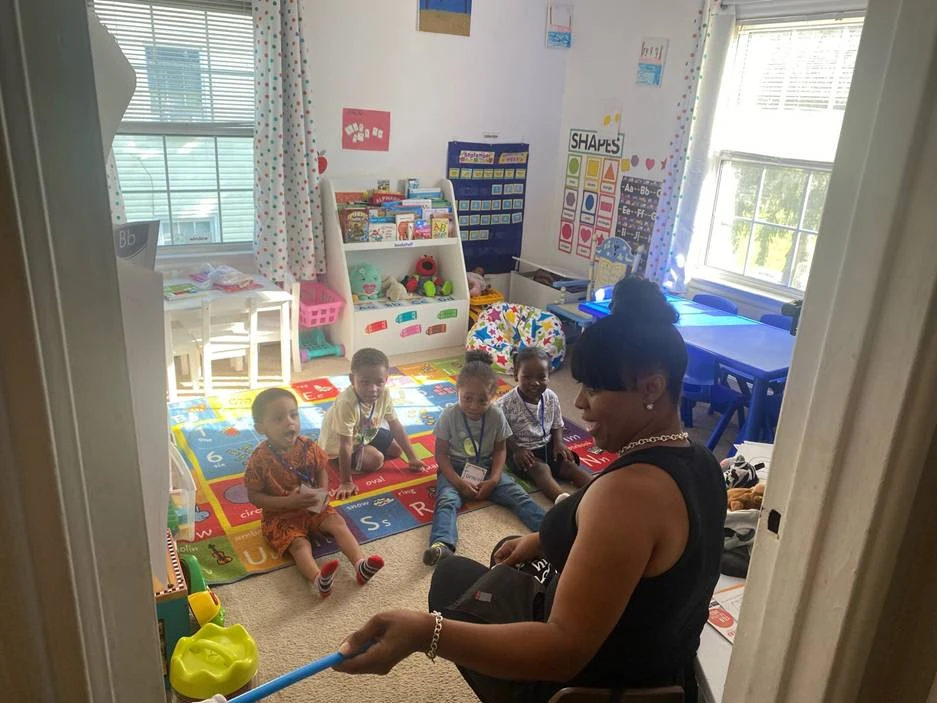
Head Start and Early Head Start Programs: Federally funded initiatives aimed at low-income families, these programs focus on comprehensive early education for children from birth to age five. Early Head Start serves infants and toddlers, while Head Start targets preschoolers, emphasizing school readiness, nutrition, and family support services. They stand out for their holistic approach, including health screenings and parental involvement. In 2025, these programs continue to address equity, helping close achievement gaps in underserved communities.

Pre Kindergarten and School-Age Programs: PreK programs, often public or faith-based, prepare children aged 3-5 for formal schooling through play-based or academic curricula. School-age options, like after-school programs, cater to older kids with homework help, sports, and enrichment activities. These are beneficial for working parents needing extended care, bridging the gap between school and home. Trends in 2025 show a blend of child-led discovery and structured learning, with some programs incorporating sustainability education.
In-Home Care and Nannies: This personalized option involves a caregiver coming to the child's home. Nannies provide one-on-one attention, flexible hours, and can handle household tasks. It's ideal for families with multiple children or special needs, offering consistency and reduced exposure to illnesses. However, it can be costlier and requires thorough background checks.
Specialized Care: For children with disabilities or unique requirements, specialized programs offer tailored support, including therapy integration. Other variants include child day camps for seasonal fun and emergency care for unexpected needs.
When choosing a type, parents should consider factors like location, cost, staff qualifications, and child-to-caregiver ratios. Visiting facilities and checking licenses via state resources is essential for ensuring quality.
Importance of Childcare Services
Beyond convenience, childcare services play a pivotal role in shaping society's future. Their importance spans child development, parental empowerment, and economic stability.
For children, quality childcare fosters cognitive, social, and emotional growth. Studies show that high-quality early care enhances language skills, problem-solving, and academic readiness, leading to better outcomes in school. Interacting with peers builds empathy and social skills, reducing behavioral issues later in life. Programs emphasizing play promote physical health and creativity, while structured routines teach independence. In fact, children in daycare often develop stronger immune systems and adaptability.
For parents, reliable childcare enables workforce participation, particularly for mothers. It reduces stress, improves work-life balance, and boosts household income. According to economic analyses, child care subsidies enhance labor force outcomes for married mothers, contributing to broader economic growth. About 1 in 5 Americans aged 25-54 are affected by childcare availability, impacting productivity and reducing absenteeism in businesses.
On a societal level, childcare drives economic vitality. It supports a skilled future workforce by investing in early education, which yields long-term returns like higher earnings and lower crime rates. In 2025, with staffing challenges and rising costs, programs like Child Care Assistance help low-income families access these benefits. Culturally sensitive care also promotes diversity and inclusion.
Despite benefits, barriers like high prices—averaging significant portions of family budgets—and shortages persist. Advocacy for universal provision could alleviate these, ensuring equitable access.
Conclusion
Childcare services are more than a necessity; they are a foundation for thriving families and communities. By exploring types like centers, home-based care, and specialized programs, and recognizing their role in development and economic support, parents can select options that best fit their needs. As we move forward in 2025, prioritizing quality and accessibility will unlock even greater potential for the next generation.