



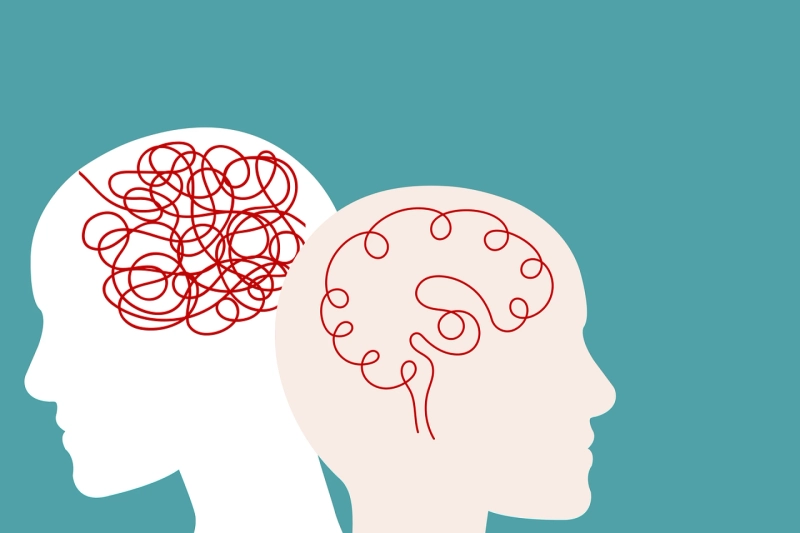
Depression is one of the most common mental health conditions in the world, affecting millions of people of all ages and backgrounds. It can make even simple daily tasks feel impossible, draining motivation, hope, and joy from life. While everyone experiences sadness at times, clinical depression is a deeper, more persistent state that requires professional care and consistent support. For those struggling to regain balance and peace, Depression Treatment offers a structured and effective path toward recovery. In the middle of this first paragraph, it’s vital to emphasize that depression treatment focuses on understanding the root causes of emotional distress, developing healthy coping mechanisms, and rebuilding a sense of purpose and connection.
Understanding Depression: More Than Just Sadness
Depression goes beyond temporary feelings of sadness it’s a complex mental health disorder that affects how individuals think, feel, and behave. Symptoms can include:
- Persistent sadness or emptiness
- Loss of interest in activities once enjoyed
- Fatigue or lack of energy
- Difficulty concentrating
- Changes in appetite or sleep patterns
- Feelings of guilt, worthlessness, or hopelessness
If left untreated, depression can worsen over time, impacting relationships, work performance, and overall quality of life. This is why timely depression treatment is essential for recovery.
Types of Depression
Understanding the different forms of depression can help identify the most appropriate treatment options:
- Major Depressive Disorder (MDD): Characterized by intense, long-lasting sadness and loss of interest in daily life.
- Persistent Depressive Disorder (Dysthymia): Chronic depression that lasts for two years or more, though symptoms may be less severe.
- Seasonal Affective Disorder (SAD): Depression triggered by seasonal changes, often during winter months.
- Postpartum Depression: Occurs in some women after childbirth due to hormonal and emotional changes.
- Bipolar Depression: Alternating episodes of depression and mania or elevated mood.
Each form requires a tailored treatment plan based on the individual’s symptoms and needs.
Common Approaches to Depression Treatment
1. Psychotherapy (Talk Therapy)
Therapy is one of the most effective forms of treatment for depression. It provides a safe, confidential space to explore emotions, identify triggers, and develop coping strategies. Common types include:
- Cognitive Behavioral Therapy (CBT): Helps change negative thought patterns and behaviors.
- Dialectical Behavior Therapy (DBT): Focuses on mindfulness, emotion regulation, and distress tolerance.
- Interpersonal Therapy (IPT): Improves communication and relationship skills to reduce depressive symptoms.
Therapy not only helps manage symptoms but also empowers individuals to regain confidence and self-awareness.
2. Medication Management
For moderate to severe depression, medication may be an essential part of treatment. Antidepressants such as SSRIs, SNRIs, or MAOIs help balance brain chemicals that influence mood and emotion. A psychiatrist carefully monitors dosage and side effects to ensure the medication’s effectiveness and safety.
3. Lifestyle Modifications
Lifestyle changes play a crucial role in recovery. Regular exercise, balanced nutrition, consistent sleep, and stress management can significantly reduce symptoms. Mindfulness meditation, yoga, and journaling are additional tools that help foster self-awareness and relaxation.
Holistic Approaches in Depression Treatment
In recent years, many treatment programs have incorporated holistic therapies alongside traditional methods. These approaches treat the whole person mind, body, and spirit to promote long-term wellness. Some popular holistic practices include:
- Art and Music Therapy: Creative expression helps process emotions that may be difficult to verbalize.
- Equine Therapy: Working with animals builds trust, empathy, and confidence.
- Acupuncture and Massage Therapy: Help reduce anxiety and promote relaxation.
- Nature Therapy: Spending time outdoors can boost mood and decrease stress hormones.
Holistic care complements traditional therapy and medication, creating a more comprehensive healing experience.
The Importance of Early Intervention
One of the keys to effective depression treatment is early intervention. The longer depression goes untreated, the more difficult it becomes to manage. Recognizing early warning signs such as persistent fatigue, irritability, or disinterest in life can lead to faster and more effective recovery. Seeking professional help early increases the likelihood of full remission and prevents potential complications such as substance abuse or self-harm.
Building a Strong Support System
Support from family, friends, and peers plays a critical role in recovery. Many individuals feel isolated during depression, but connection is a powerful antidote. Support groups, whether in person or online, offer a safe space for sharing experiences and encouragement.
Family therapy can also strengthen understanding and communication, helping loved ones provide meaningful support without judgment or frustration.
Overcoming the Stigma Around Treatment
Despite growing awareness, stigma still prevents many people from seeking depression treatment. Misconceptions about mental illness can make individuals feel ashamed or weak. It’s important to remember that depression is a medical condition not a personal failure. Just as one would seek treatment for diabetes or a broken bone, getting professional help for mental health is both necessary and courageous.
Breaking the stigma starts with open conversations, education, and compassion for ourselves and others.
Life After Depression Treatment
Recovery doesn’t mean that challenges disappear completely, but rather that individuals gain the tools to manage them effectively. After treatment, ongoing care may include therapy sessions, medication management, and self-care routines. Maintaining progress requires consistency, patience, and support.
Engaging in meaningful activities, building healthy relationships, and setting achievable goals can help sustain long-term emotional well-being.
Conclusion: Hope and Healing Are Within Reach
Depression can feel like an unending storm, but with the right depression treatment, the clouds begin to part. Through therapy, medication, holistic healing, and strong support, individuals can rediscover hope, joy, and purpose. Healing is not a linear path it’s a journey of growth, resilience, and self-compassion.
If you or someone you love is struggling with depression, know that help is available, and recovery is possible. Reaching out for treatment is the first step toward a brighter, healthier, and more fulfilling life.