



Ovarian cysts are fluid-filled sacs that develop on or inside the ovaries. While many women may have them at some point in their lives, these cysts often go unnoticed and resolve on their own. However, in certain cases, they may cause symptoms or complications that require medical attention.
Understanding ovarian cysts is essential for timely diagnosis and effective care. This article offers a comprehensive overview of what ovarian cysts are, their causes, symptoms, and treatment options, aiming to empower women to make informed decisions about their reproductive health.
What Are Ovarian Cysts?
Ovarian cysts are common gynecological findings, particularly among women of reproductive age. Most are benign and asymptomatic, discovered incidentally during routine pelvic exams or ultrasounds. They typically form during the menstrual cycle as part of the normal process of ovulation.
Functional vs. Pathological Cysts
There are two primary categories of ovarian cysts:
- Functional cysts, such as follicular cysts and corpus luteum cysts, are the most common type. They are linked to the menstrual cycle and usually disappear within a few months without treatment.
- Pathological cysts result from abnormal cell growth. These include dermoid cysts, cystadenomas, and endometriomas. While many are benign, some may require closer monitoring or surgical removal.
Causes and Risk Factors
Ovarian cysts can occur for various reasons, including hormonal imbalances, pregnancy, endometriosis, and infections. Some factors may increase the likelihood of developing cysts:
- Hormonal issues, particularly related to ovulation
- Pregnancy, especially in early stages
- Conditions like polycystic ovary syndrome (PCOS)
- Severe pelvic infections that spread to the ovaries
- Previous ovarian cysts
Understanding these causes helps in risk assessment and potential early intervention.
Common Symptoms of Ovarian Cysts
Although many ovarian cysts cause no symptoms, larger or ruptured cysts can lead to noticeable discomfort. Common signs include:
- Pelvic pain, especially during menstruation or intercourse
- Bloating or abdominal swelling
- Frequent urination or difficulty emptying the bladder
- Changes in menstrual patterns
- Pain in the lower back or thighs
In rare cases, a cyst may rupture or cause the ovary to twist (ovarian torsion), both of which are medical emergencies.
Diagnosis: How Are Ovarian Cysts Identified?
Diagnosing ovarian cysts typically involves a combination of medical history, physical examination, and imaging tests. A gynecologist may perform the following:
- Pelvic exam to feel for swelling or masses
- Ultrasound imaging to determine the size, location, and composition of the cyst
- Hormone level tests to check for underlying issues
- CA-125 blood test, especially if there’s concern about a malignant cyst (mainly in postmenopausal women)
An accurate diagnosis is crucial to determine the appropriate course of action.
When Is Treatment Necessary?
Many ovarian cysts resolve on their own and may only require observation. However, treatment becomes necessary under certain conditions:
- Persistent or growing cysts
- Cysts causing pain or pressure symptoms
- Suspicion of cancer
- Complications like rupture or torsion
Treatment options include:
- Watchful waiting with follow-up ultrasounds
- Hormonal birth control to prevent future cysts
- Surgical removal (cystectomy or oophorectomy), particularly for large or suspicious cysts
Each case is unique, and treatment is tailored to the woman’s age, symptoms, and reproductive plans.
Complications to Be Aware Of
Although most cysts are benign, complications can arise, especially if the cyst:
- Ruptures, leading to sudden and severe abdominal pain
- Causes ovarian torsion, cutting off the ovary’s blood supply
- Is cancerous, particularly in older women
Early detection and proper monitoring are key to avoiding these complications. For more comprehensive insights, this resource from Mahidol University provides valuable information about the nature and treatment of an ovarian cyst.
Living with Ovarian Cysts: Monitoring and Lifestyle
Women diagnosed with ovarian cysts often wonder what changes, if any, they should make to their lifestyle. While cysts can’t always be prevented, a healthy lifestyle can support reproductive health overall:
- Regular checkups help track changes or growth
- Balanced nutrition supports hormone regulation
- Stress management may benefit menstrual and ovarian health
- Avoiding unnecessary hormonal medications without guidance
Monitoring symptoms and maintaining communication with a healthcare provider is the most effective strategy.
Conclusion
Ovarian cysts are a common part of many women’s reproductive journeys. While often harmless, they can sometimes lead to discomfort or complications that warrant medical care. Understanding the types, causes, symptoms, and treatment options equips women to respond wisely and seek timely help when needed.
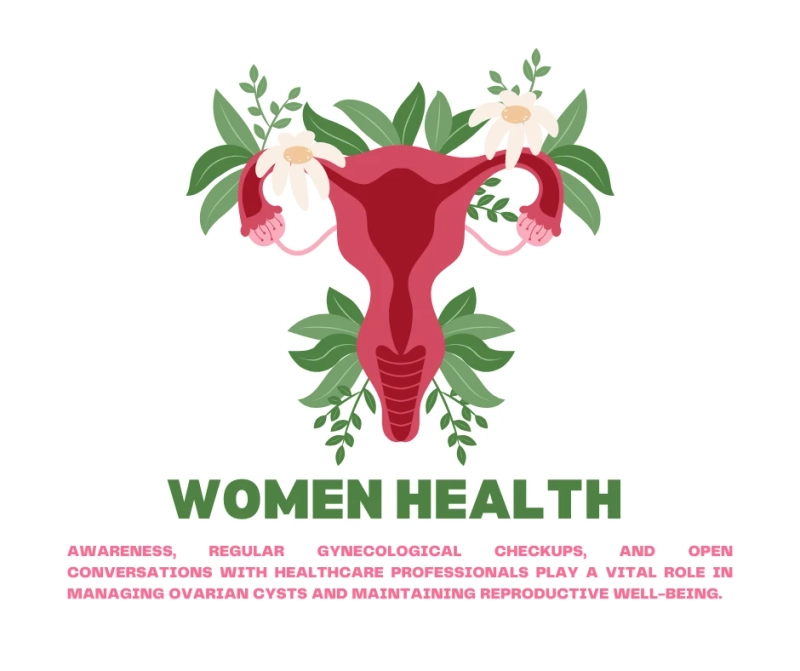
Awareness, regular gynecological checkups, and open conversations with healthcare professionals play a vital role in managing ovarian cysts and maintaining reproductive well-being.
FAQs
What are the chances that an ovarian cyst is cancerous?
Most ovarian cysts are benign, especially in premenopausal women. However, the likelihood of cancer increases with age, especially after menopause. Your doctor may recommend further tests if a cyst appears suspicious.
How long do ovarian cysts usually last?
Functional cysts often disappear within one to three menstrual cycles. If a cyst persists longer or causes symptoms, further evaluation is needed.
Can I still get pregnant if I have ovarian cysts?
Yes, many women with ovarian cysts can conceive and carry a pregnancy to term. However, some cysts associated with conditions like PCOS or endometriosis may affect fertility.
What should I do if I experience sudden pelvic pain?
Sudden, severe pelvic pain, especially with nausea or vomiting, could signal a ruptured cyst or ovarian torsion. These are medical emergencies that require immediate care.
Do birth control pills help with ovarian cysts?
Hormonal contraceptives can prevent the formation of new functional cysts by stopping ovulation. They don’t treat existing cysts but may help reduce recurrence.