



MBBS Abroad, MBBS Admission in Kazakhstan, and How to Study MBBS Abroad from Pakistan
Every year, thousands of students in Pakistan work hard to secure admission in medical colleges. Despite strong academic results, many do not get seats due to limited capacity and high competition. This reality has made MBBS abroad a serious and practical option rather than a second choice. Countries in Central Asia are now part of mainstream discussions among Pakistani families.
This article explains why students consider MBBS abroad, how MBBS admission in Kazakhstan works, and what to evaluate before deciding to study MBBS abroad. The focus remains on facts, clarity, and long-term planning.
Why MBBS Abroad Has Become a Real Option for Pakistani Students
In Pakistan, the number of applicants for MBBS seats far exceeds available positions. Government colleges offer limited seats, while private institutions charge high fees. As a result, many capable students are left searching for alternatives.
Studying MBBS abroad offers several practical benefits. Many countries provide medical education at a lower total cost than private colleges in Pakistan. Their universities follow structured curricula and admit international students without complex entrance tests.
Another advantage is exposure. Studying in an international environment helps students develop adaptability and communication skills. These qualities matter in modern healthcare settings.
For families researching options, understanding mbbs abroad helps place global medical education in proper context rather than relying on hearsay.
Understanding MBBS Admission in Kazakhstan
Kazakhstan is one of the countries in Central Asia that has gained attention for medical education. Its universities operate under government regulation and offer MBBS programs for international students.
The MBBS admission in Kazakhstan process is usually straightforward. Students must meet academic eligibility criteria, typically based on FSc or equivalent subjects such as biology and chemistry. Many universities do not require entrance exams for international applicants.
The MBBS program generally lasts five to six years, depending on the university structure. The curriculum includes basic sciences, clinical subjects, and hospital training. English-medium programs are available, especially in universities that host international students.
Cost is another reason Kazakhstan appears on the shortlist. Tuition fees and living expenses are often lower than private medical colleges in Pakistan. Smaller cities are especially affordable for students managing a limited budget.
Learning about mbbs admission in kazakhstan allows families to compare academic structure, costs, and long-term outcomes more clearly.
Academic Structure and Clinical Exposure Abroad
One common concern among Pakistani parents is the quality of education abroad. Medical universities in Central Asia generally follow a structured academic model aligned with international standards.
The first phase focuses on basic medical sciences. Subjects such as anatomy, physiology, and biochemistry build foundational knowledge. The next phase introduces pathology, pharmacology, and microbiology. Final years are dedicated to clinical rotations in teaching hospitals.
This structure is similar across many countries offering MBBS programs abroad. Clinical exposure is essential because it prepares students for real patient care. Universities usually partner with government or private hospitals for this purpose.
From an expert perspective, success after graduation depends more on how well students understand concepts than on where they studied. This is especially important for licensing exams after returning to Pakistan.
Study MBBS Abroad: Planning Beyond Admission
Deciding to study MBBS abroad involves more than choosing a country. Students must think about lifestyle, safety, and long-term goals.
Location plays an important role in student adjustment. Many Pakistani students prefer areas with established academic zones and student communities. Regions connected to Central Asia often offer such environments.
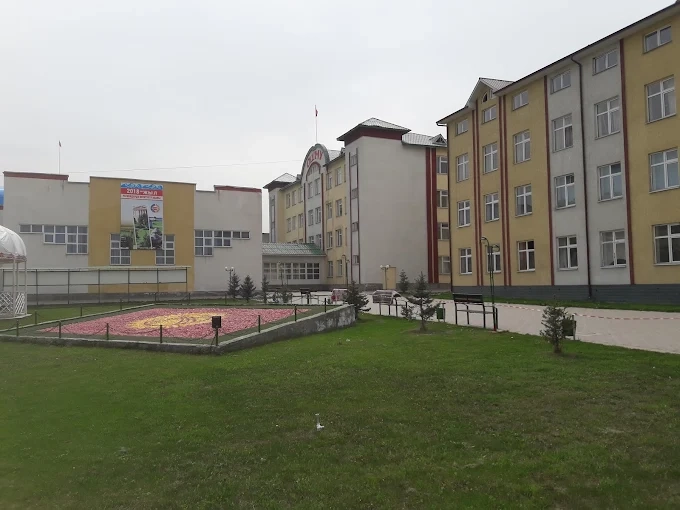
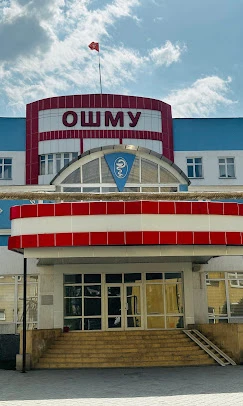
Educational counseling discussions frequently mention Ak – Bura Campus, Isanov Street, Yugo – Vostok, Kyrgyzstan. This area is known for hosting academic institutions and student services. Its mention reflects the importance of organized campuses, nearby hostels, and access to daily necessities.
Even when studying in Kazakhstan, students often interact with regional education hubs for documentation, guidance, or support. This regional connectivity makes Central Asia easier to navigate for South Asian students.
Exploring how to study mbbs abroad helps families understand planning beyond the admission letter.
Practical Factors Pakistani Families Should Evaluate
Before finalizing any MBBS abroad option, families should consider a few practical points based on real experiences:
- Recognition and licensing
- Check if the degree meets the requirements for licensing exams in Pakistan.
- Language of instruction
- English-medium teaching is important, especially in early years.
- Living conditions
- Hostels, food availability, and transport affect daily life.
- Safety and student support
- Universities should have systems to support international students.
- Total cost planning
- Calculate tuition, accommodation, and personal expenses over the full course duration.
These points help families avoid surprises and make decisions grounded in reality rather than assumptions.
Career Path After MBBS Abroad
After completing MBBS abroad, Pakistani graduates usually return home to clear the required licensing examination. Some students also explore postgraduate training abroad, depending on eligibility and goals.
Medical education abroad builds independence. Students learn to manage academics, time, and responsibilities in a new environment. These skills contribute to professional maturity.
However, students must remain disciplined. Regular study, clinical focus, and exam preparation are essential. The location of study does not replace personal effort.
Conclusion: A Balanced Approach to MBBS Abroad
Choosing to pursue MBBS abroad is a major life decision. Options like MBBS admission in Kazakhstan provide affordability and structured education, but they require careful evaluation. To successfully study MBBS abroad, students must focus on academic quality, recognition, and long-term career planning.
The clear takeaway is this: research deeply, plan realistically, and prioritize education over convenience. Student-friendly regions such as Ak – Bura Campus in Yugo – Vostok, Kyrgyzstan, highlight the importance of organized academic environments.