



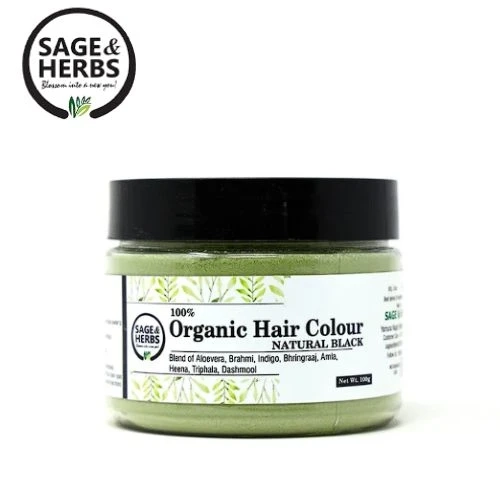
Organic hair colour has become one of the fastest growing trends in modern beauty. People are becoming more conscious about what they apply on their skin, scalp, and hair. With rising awareness about chemicals, scalp sensitivity, and long-term hair damage caused by synthetic dyes, the shift toward plant-based and natural hair colouring has become strong and meaningful. Organic hair colour is not just about changing the shade of your hair – it is about choosing a healthier, gentler way to care for your hair while still enjoying rich, vibrant colour.
In this article, we will explore what makes organic hair dye different, how it works, the benefits, the ingredients usually used, how to apply it, who can use it, and why it’s becoming a preferred choice for beauty-conscious people worldwide.
What Exactly Is Organic Hair Colour?
Organic hair colour refers to hair dye formulations made using natural, plant-based or herbal ingredients instead of harsh chemical dyes. It avoids chemical additives like ammonia, parabens, resorcinol, SLS, sulfates, and artificial fragrances.
In place of synthetic pigments, organic colour blends often include:
- Henna
- Indigo
- Hibiscus
- Beetroot extract
- Brahmi
- Amla (Indian Gooseberry)
- Bhringraj
- Tea & Coffee extracts
- Neem
- Moringa
- Rosemary
These ingredients are known not just for colour, but also for their Ayurvedic hair benefits.
Organic hair colouring works gradually, bonding to the hair strand from the outside rather than permanently opening the hair cuticle the way chemical dyes do.
Why People Are Choosing Organic Hair Colour
For years, people coloured hair mainly with salon dyes filled with ammonia and peroxide. These chemicals lighten the strands so artificial colour can enter. But that process damages the hair shaft over time.
Organic hair colour does not strip the hair. Instead, it coats the hair gently, adding tint, shine, and richness.
Key reasons people prefer organic options include:
- Reduced scalp irritation
- Safer for sensitive skin
- No harsh chemical smell
- Healthier long-term results
- Supports natural shine and volume
- Nourishes the scalp instead of drying it
- Great for frequent use and touch-ups
For women who colour hair often, organic blends feel like a blessing.
Benefits of Organic Hair Color for Hair Health
Unlike chemical colour, herbal blends support hair health.
1. Adds Natural Shine
Plant pigments coat the strands, creating a natural glossy finish.
2. Strengthens the Roots
Herbal ingredients like amla and bhringraj are known for hair strengthening and root nourishment.
3. Reduces Hair Fall
No ammonia means no harsh scalp reactions – many users notice less breakage.
4. Improves Texture
With regular use, hair feels softer and smoother.
5. Safe for Pregnant Women (check brand guidelines)
Many organic blends are safe for sensitive skin (but always patch-test).
Common Ingredients Used in Organic Hair Colour
Henna: Provides reddish undertones and improves hair strength
Indigo: Helps create dark browns to black tones
Amla: Boosts colour intensity and reduces greying
Beetroot: Adds warm red hues
Hibiscus: Natural red with conditioning effects
Moringa & Neem: Scalp cleansing and anti-dandruff benefits
Each ingredient brings a unique benefit, which makes organic colour more than just colour – it becomes a treatment.
Who Can Use Organic Hair Colour?
Organic hair colour is suitable for:
- People with sensitive scalps
- People dealing with hair fall
- Those who avoid harsh chemicals
- Frequent hair colour users
- People with early greying
- Those who prefer wellness-based beauty routines
It’s especially popular among people who follow natural lifestyle choices.
How to Apply Organic Hair Colour
Application depends on the brand, but a typical process looks like this:
- Mix the powder with warm water or herbal tea to make a paste.
- Let mixture rest for some minutes (henna activates over time).
- Apply evenly to washed, towel-dried hair.
- Cover hair with a shower cap.
- Leave on for 45–120 minutes depending on shade depth.
- Rinse with plain water (do not shampoo immediately).
The colour deepens over 24–48 hours as it oxidizes naturally.
Does Organic Hair Colour Cover Grey Hair?
Yes – but results depend on ingredients & formula.
Henna + Indigo combinations can cover greys beautifully.
However, organic colour may need:
- Two-step application for deep black
- Regular reapplication for better intensity
The advantage is: it will not damage your natural strands, even with repeated use.
Organic Hair Colour Shades You Can Achieve Naturally
Common natural tones include:
- Soft brown
- Chocolate brown
- Burgundy hints
- Reddish tones
- Dark brown (with henna + indigo)
- Natural black (multiple applications)
The most realistic shades are earthy, natural-looking colours.
Why Organic Hair Colour Is a Long-Term Hair Investment
Chemical dyes give instant bright shades, but over time, hair becomes:
- Rough
- Weakened
- Dry
- Prone to breakage
Organic hair colour may take longer to absorb and build, but with consistent usage, hair becomes thicker, fuller, and healthier.
Over months, people see not just colour—but transformation in the hair quality itself.
Conclusion
Organic hair colour isn’t just a trend – it is a smart shift to healthier beauty habits. When you choose herbal-based colour, you invest in long-term hair wellness. Natural colour allows you to enjoy beautiful shades while protecting the hair you love.
Originally Published: https://writeupcafe.com/organic-hair-colour---a-natural--safer--and-beautiful-way-to-transform-your-hair