



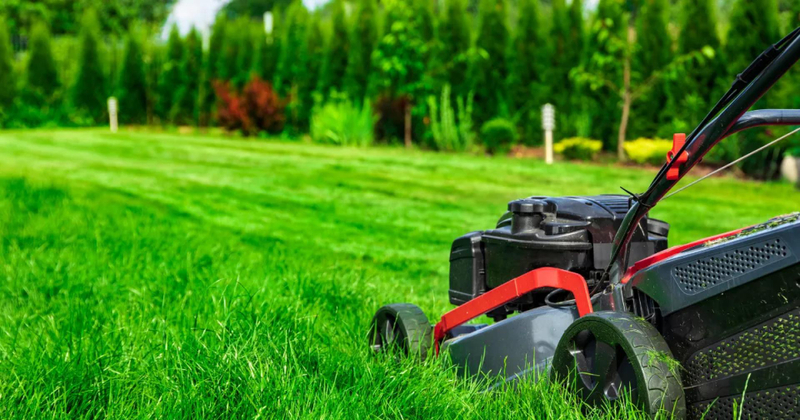
When it comes to maintaining a beautiful and healthy lawn, oran park mowing plays a crucial role. Whether you are a homeowner looking to enhance your curb appeal or someone who simply enjoys a lush green yard, mowing is more than just cutting grass. It involves understanding the right techniques, tools, and timing.
Many homeowners face the dilemma of whether to tackle the task themselves or hire professional oran park mowing services. This guide explores both options in detail, weighs their pros and cons, and provides actionable tips for achieving the best results for your lawn.
Understanding Lawn Mowing Basics
Before deciding between DIY mowing or hiring professionals, it’s important to understand the fundamentals of oran park mowing. Lawn health depends on several factors including soil quality, grass type, weather, and mowing practices. Proper mowing helps prevent weeds, encourages stronger roots, and maintains an even, aesthetic lawn.
Importance of Proper Mowing
Mowing isn’t just about cutting grass short. The way you mow can significantly impact your lawn’s health. Cutting too short can stress the grass, while leaving it too long may lead to uneven growth and attract pests. Regular mowing at the right height ensures that your lawn grows thicker, reducing bare patches and improving its overall appearance.
Ideal Mowing Frequency
The frequency of mowing depends on the grass type and season. During spring and summer, grass grows faster and may require mowing once a week. In cooler seasons, mowing every two to three weeks might suffice. For oran park mowing, consistency is key—regular maintenance prevents overgrowth and keeps your lawn looking neat.
DIY Mowing: Tips and Techniques
Many homeowners enjoy the satisfaction of maintaining their lawn themselves. DIY mowing gives you control over your lawn care schedule and can save money in the long run. However, it requires knowledge, time, and effort.
Essential Tools for DIY Mowing
Investing in the right tools is the first step to effective DIY mowing. Here’s what you need:
- Lawn Mower: Choose between a push mower, self-propelled mower, or riding mower depending on your lawn size.
- Grass Trimmer/Edger: Perfect for hard-to-reach edges and around garden beds.
- Rake and Lawn Bag: For collecting clippings and leaves.
- Protective Gear: Gloves, sturdy shoes, and ear protection.
Step-by-Step DIY Mowing Guide
- Check Your Mower: Ensure it’s in good working condition, blades are sharp, and fuel or battery levels are sufficient.
- Measure and Mark Lawn Sections: Break large lawns into sections for systematic mowing.
- Adjust Mower Height: Set your mower blade to the recommended height for your grass type.
- Mow in Patterns: Alternate directions weekly to avoid compacting soil and promote uniform growth.
- Trim Edges: Use a trimmer for neat borders along fences, flower beds, and pathways.
- Dispose of Clippings Properly: Consider composting or mulching to recycle nutrients back into your lawn.
Benefits of DIY Mowing
- Cost-effective in the long term.
- Full control over schedule and mowing techniques.
- Personal satisfaction from maintaining your own yard.
Challenges of DIY Mowing
- Time-consuming, especially for large lawns.
- Requires physical effort and some technical knowledge.
- Mistakes in mowing height or frequency can damage the lawn.
Hiring Professional Mowing Services
For homeowners who prefer convenience or lack the time to mow themselves, professional mowing services can be a lifesaver. In Oran Park, several companies specialize in oran park mowing, offering expertise and consistent results.
What Professionals Offer
- Expertise: Professionals understand grass types, optimal mowing heights, and seasonal care.
- Equipment: High-quality, commercial-grade mowers ensure cleaner, faster cuts.
- Additional Services: Many providers offer fertilization, weed control, and landscaping alongside mowing.
- Consistency: Scheduled visits keep your lawn looking manicured year-round.
Advantages of Hiring Pros
- Time-Saving: Professionals handle the work efficiently, freeing up your weekends.
- Higher Quality Results: Trained staff achieve uniform, precise mowing patterns.
- Reduced Stress: No need to worry about mower maintenance or blade sharpening.
- Seasonal Expertise: Professionals adapt care routines to weather conditions, promoting healthier lawns.
Potential Drawbacks
- Cost can be higher compared to DIY mowing.
- Scheduling may require flexibility, especially during peak seasons.
- Less personal control over mowing style or patterns.
DIY vs. Professional Mowing: Which is Right for You?
Choosing between DIY and hiring professionals depends on several factors.
Cost Considerations
DIY mowing can save money on labor but requires an upfront investment in equipment and maintenance. Hiring professionals involves recurring fees, but you gain convenience and consistent quality.
Time and Effort
Large lawns or busy schedules often make professional services more practical. DIY mowing works well for smaller properties or homeowners who enjoy gardening.
Lawn Size and Complexity
If your lawn has intricate landscaping, slopes, or difficult-to-reach areas, professionals have the experience and equipment to handle these challenges efficiently.
Skill Level
Inexperienced DIYers risk damaging their lawn with incorrect mowing techniques. Professionals minimize this risk through expertise.
Advanced DIY Mowing Tips
For homeowners determined to mow themselves, consider these advanced tips for superior results:
Sharpen Your Mower Blades
Dull blades tear grass rather than cut it cleanly, leading to brown tips and disease susceptibility. Sharpen blades at least twice per season.
Follow the “One-Third Rule”
Never cut more than one-third of your grass height at a time. Cutting too much stresses the plant and slows growth.
Mulch Clippings
Mulching returns nutrients to the soil, reduces the need for fertilizers, and keeps your lawn healthier.
Water Strategically
Water your lawn early in the morning to reduce evaporation and avoid promoting fungal diseases.
Rotate Mowing Patterns
Changing mowing directions prevents soil compaction and encourages upright grass growth.
Hiring Professionals: How to Choose the Right Service
Not all mowing services are created equal. To ensure quality results for oran park mowing, follow these tips:
Check Reviews and References
Look for customer testimonials and ask for references. Experienced professionals with positive reviews are more likely to deliver consistent results.
Verify Equipment and Techniques
Ensure the company uses modern, well-maintained equipment and follows environmentally friendly practices.
Compare Pricing
Request quotes from multiple providers to find a service that balances quality and affordability.
Ask About Additional Services
Some companies provide fertilization, pest control, and seasonal care packages that can save time and enhance lawn health.
Maintaining Lawn Health Beyond Mowing
Whether you mow yourself or hire professionals, healthy lawn maintenance requires more than cutting grass.
Fertilization
Apply the right fertilizer for your grass type to promote strong roots and vibrant color. Timing is crucial—spring and fall are typically ideal.
Weed Control
Remove weeds promptly to prevent them from competing with grass for nutrients and sunlight.
Aeration
Aerating your lawn reduces soil compaction, improves water and nutrient absorption, and strengthens roots.
Pest and Disease Management
Monitor for common lawn pests and fungal diseases. Early detection and treatment prevent extensive damage.
Seasonal Mowing Considerations
Lawn care varies with the seasons, and so does oran park mowing.
Spring
Grass grows rapidly after winter dormancy. Increase mowing frequency and consider fertilization to support growth.
Summer
Heat and drought stress grass. Keep mower blades higher to shade roots and reduce water loss.
Autumn
Slow-growing grass requires less frequent mowing. Remove fallen leaves to prevent smothering the lawn.
Winter
Most lawns go dormant. Minimal mowing is required, but occasional trimming may be necessary in milder climates.
Environmental Benefits of Proper Mowing
Proper mowing contributes to a greener environment:
- Reduces the need for chemical fertilizers when clippings are mulched.
- Supports healthy ecosystems by maintaining grass density.
- Prevents soil erosion by keeping root systems intact.