



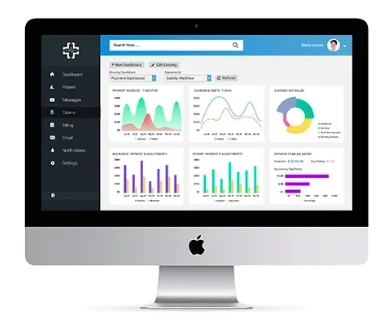
In the dynamic landscape of healthcare, efficient revenue cycle management is paramount. Medical billing solutions have emerged as essential tools, transforming how healthcare providers manage claims, optimize reimbursements, and enhance patient satisfaction. This article delves into the multifaceted benefits and features of modern medical billing solutions, highlighting their role in streamlining healthcare operations.
Understanding Medical Billing Solutions:
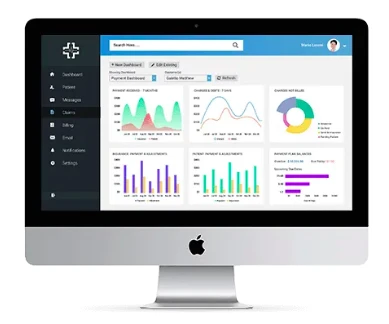
Medical billing solutions are software applications designed to automate and streamline the billing process in healthcare settings. These systems manage various tasks, including patient insurance verification, claims submission, claims tracking, and payment processing. By consolidating all billing workflows into a single interface, medical billing software systems enhance operational efficiency, reduce errors, and accelerate the reimbursement cycle.
Key Features of Medical Billing Solutions:
1. Workflow Automation and Patient Registration:
Modern medical billing solutions automate routine tasks such as patient registration, appointment scheduling, and insurance eligibility verification. This automation reduces manual data entry, minimizes errors, and ensures that patient information is accurately captured, leading to smoother billing processes.
2. Medical Coding and Capturing CPT Codes:
Accurate medical coding is crucial for proper billing and reimbursement. Medical billing solutions integrate coding assistance tools that help healthcare providers assign the correct codes for diagnoses and procedures. This integration ensures compliance with coding standards and reduces the likelihood of claim rejections.
3. EHR Integration:
Seamless integration with Electronic Health Records (EHR) systems allows for the automatic syncing of patient data, ensuring accurate and up-to-date billing information. This integration reduces duplication of work between clinical and administrative teams and enhances interoperability across departments.
4. Revenue Optimization:
Medical billing solutions offer tools to optimize revenue by identifying underpayments, denials, and other discrepancies. By analyzing billing data, these systems help healthcare providers pinpoint areas for improvement, leading to enhanced revenue capture and financial performance.
5. Claims Management:
Efficient claims management is a cornerstone of medical billing solutions. These systems automate the generation, submission, and tracking of claims, reducing the risk of errors and ensuring timely reimbursements. Additionally, they provide tools for managing denied claims and facilitating the appeals process.
6. Accounts Receivable Follow-Ups:
Medical billing solutions streamline the accounts receivable process by automating follow-ups on outstanding payments. This automation accelerates the collection process, reduces administrative workload, and improves cash flow for healthcare providers.
7. Reporting and Analytics:
Comprehensive reporting and analytics features provide valuable insights into billing trends, claim statuses, and financial performance. Healthcare administrators can generate detailed reports to monitor key performance indicators, identify areas for improvement, and make informed decisions to enhance revenue cycle management.
Benefits of Implementing Medical Billing Solutions:
1. Improved Accuracy and Reduced Errors:
Manual billing processes are prone to errors, leading to claim denials and delayed reimbursements. Medical billing solutions automate calculations, coding, and data entry, significantly reducing errors and ensuring accurate claim submissions. This accuracy enhances the chances of successful claims and minimizes the risk of revenue loss.
2. Faster Reimbursement and Cash Flow:
Timely reimbursements are crucial for maintaining a healthy cash flow in healthcare practices. Medical billing software expedite the reimbursement process by reducing claim rejections and denials. Faster claim processing results in quicker payment from insurance companies, ensuring consistent revenue streams for healthcare providers.
3. Compliance and Regulatory Adherence:
Healthcare regulations and coding standards are continually evolving. Medical billing solutions are designed to comply with industry regulations, such as HIPAA, and incorporate up-to-date coding standards. This compliance reduces the risk of audits and penalties, ensuring that billing practices adhere to legal requirements.
4. Enhanced Patient Experience:
Medical billing solutions often include patient portals that provide transparency and convenience. Patients can view their bills, make payments online, and access financial information, leading to improved patient satisfaction and reduced administrative tasks for staff.
5. Cost Savings:
By automating billing processes and reducing manual tasks, medical billing solutions help practices save on administrative costs, such as staff time, paper, and postage expenses. Additionally, these systems minimize claim denials and rework, resulting in significant cost savings.
Choosing the Right Medical Billing Solution:
Selecting the appropriate medical billing solution is crucial for the success of healthcare practices. Factors to consider include:
- Integration Capabilities: Ensure that the solution integrates seamlessly with existing EHR and Practice Management Systems (PMS).
- User-Friendliness: The solution should have an intuitive interface that is easy for staff to navigate and use.
- Customer Support: Reliable customer support is essential for addressing any issues or concerns promptly.
- Cost: Consider the total cost of ownership, including licensing fees, training, and maintenance costs.
- Security: The solution should adhere to industry standards for data security and patient privacy.
Conclusion:
Medical billing solutions play a pivotal role in modern healthcare operations. By automating and streamlining billing processes, these solutions enhance accuracy, improve cash flow, and elevate the patient experience. As the healthcare industry continues to evolve, adopting advanced healthcare billing systems will be essential for healthcare providers aiming to optimize their revenue cycle and deliver high-quality care.