



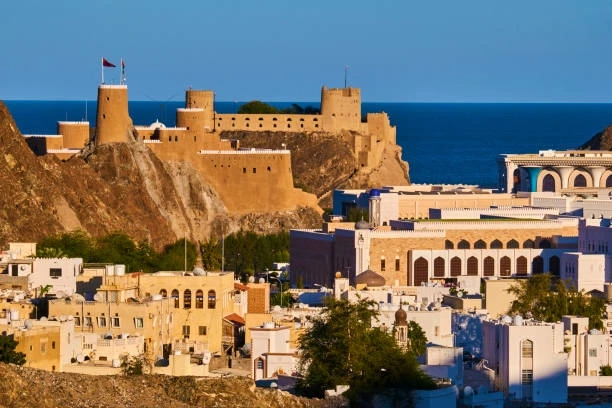
From the rocky peaks of Jebel Shams to the golden dunes of the Wahiba Sands, Oman is frequently praised for its magnificent scenery. Beyond its natural splendour, however, is a diverse range of cultural experiences just waiting to be discovered. Securing an Oman visa from Abu Dhabi is the first step for tourists planning their trip to find a place that seamlessly combines modernity, tradition, and history.
1. Explore the Majestic Omani Forts
More than just historical sites, Oman's forts serve as windows into the nation's past. Constructed in the 17th century, Nizwa Fort is one of the most well-known and provides visitors with sweeping views of the surrounding city and mountains. You can practically hear the echoes of history as you make your way through its towers, watchtowers, and elaborate halls. A UNESCO World Heritage Site, Bahla Fort narrates stories of Oman's architectural and commercial might. Each fort offers guests a physical link to the country's history by showcasing strategic military planning and traditional Omani craftsmanship.
2. Wander Through Traditional Souks
A walk through Oman's busy souks is a must-do while there. The fragrances of spices, perfumes, and frankincense fill Muscat's Muttrah Souk, a sensory feast. Visitors can purchase handcrafted silver jewellery, vibrant textiles, and traditional Omani khanjars (daggers) here. Souks are more than just places to shop; engaging with local merchants provides a glimpse into Omani hospitality and traditions. Away from the tourists, souks in smaller towns like Nizwa and Sur offer an even more genuine experience.
3. Experience Omani Cuisine
Oman's varied heritage, shaped by trade routes linking the Middle East, Africa, and India, is reflected in its gastronomic scene. Must-try traditional dishes include majboos, a fragrant rice dish with meat or fish, and shuwa, a slow-cooked spiced lamb. Travellers can try Omani halwa, a sweet, gelatinous dessert flavoured with nuts and rosewater, by stopping by neighbourhood cafes. In Oman, food serves as more than just sustenance; it's a communal activity that's frequently shared with loved ones, illustrating the nation's strong sense of community.
4. Visit Cultural Villages and Museums
Cultural villages such as Misfat Al Abriyeen are ideal for a deeper understanding of Omani life. This village, which is tucked away in the mountains, offers a glimpse into ancient ways of life that are still followed today. It has terraced farms, traditional mud-brick homes, and flowing falaj irrigation channels. The Bait Al Zubair Museum in Muscat offers a thorough account of the cultural development of the country by showcasing Omani artefacts, traditional attire, and elaborate jewellery. For tourists looking to experience Oman's real heart, these websites are priceless.
5. Attend Traditional Festivals
Festivals in Oman are colourful manifestations of culture and community. Every year, the Muscat Festival features handicraft displays, traditional dances, and cultural performances. Travellers can also learn about Omani customs, family get-togethers, and culinary practices during religious holidays like Eid al-Fitr and Eid al-Adha. Beyond the picture-perfect scenery, taking part in or even just watching these festivities adds a rich cultural dimension to any trip.
6. Explore Maritime Heritage in Sur
Sur, a seaside town in Oman, is well known for its shipbuilding heritage. Here, traditional wooden dhows are still made with methods that date back hundreds of years. When tourists visit the shipyards, they can see craftspeople expertly putting together ships that have long been a part of Oman's maritime commerce. Small museums in Sur also showcase the nation's maritime heritage and its crucial role in Arabian Sea trade. The town is the ideal fusion of natural beauty and cultural significance because of its serene beaches and charming lighthouse.
7. Experience Omani Hospitality
People from Oman are renowned for their kindness and generosity. In local homes, visitors are frequently invited to enjoy a cup of Omani tea or coffee with dates and traditional sweets. Speaking with locals provides a unique chance to discover the values that guide Omani society, family customs, and storytelling. These one-on-one encounters create a lasting impression and make a visit genuinely unforgettable.
8. Discover the Art of Frankincense
For centuries, frankincense has been an integral part of Omani culture. Some of the highest quality resin in the world is renowned for coming from the Dhofar region. Travellers can buy raw or processed incense as a memento and observe the traditional harvesting and drying techniques at frankincense plantations. The historical significance of Oman in international trade and the cultural significance of fragrance in daily life and rituals are highlighted by learning about this ancient trade.
9. Engage in Traditional Crafts
Omani craftsmanship, especially in weaving, pottery, and silverwork, is renowned throughout the world. Visitors can witness these abilities in action through workshops and local craftspeople. Visitors can even try their hand at making art in locations like Nizwa, providing a hands-on cultural experience that upholds traditional methods and supports local artisans.
Conclusion
Beyond its breathtaking landscapes, Oman has much to offer. A glimpse of its rich and lively culture can be found in its forts, souks, festivals, delectable food, and handcrafted crafts. Every encounter, whether it's having coffee with a local family or exploring a centuries-old fort, broadens your understanding of this exceptional nation. Getting an Oman visa through Go Kite Travel guarantees a seamless beginning to an amazing cultural adventure for anyone making travel plans.