


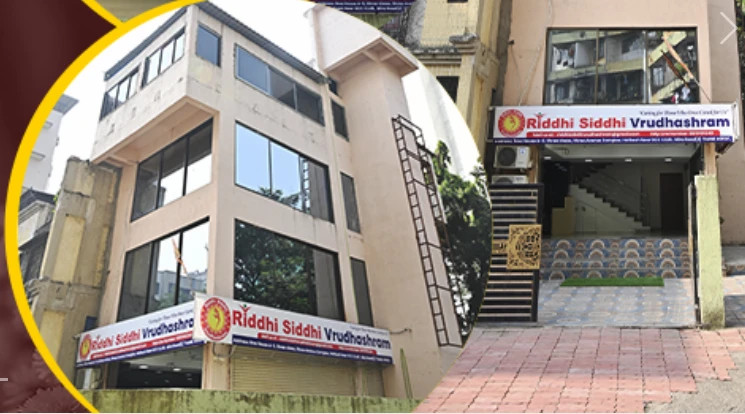
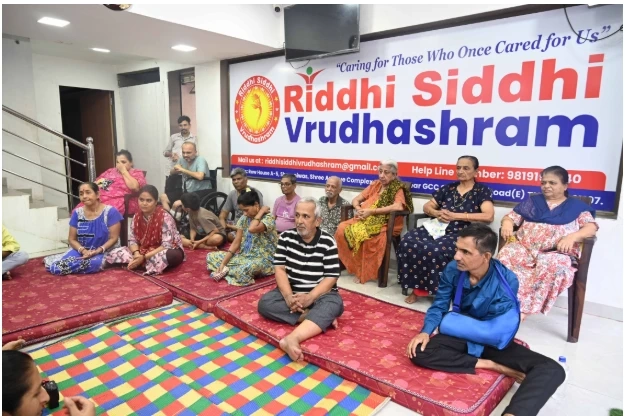
With changing family structures and fast-paced urban life, the concept of an old age home in India has evolved beyond just a place for shelter. These homes now serve as compassionate spaces that offer dignity, comfort, and emotional support to elderly citizens. They aim to create an environment where seniors can live peacefully, surrounded by care and respect, while maintaining their independence.
The Growing Need for Elderly Care
India’s elderly population is rising rapidly, driven by increasing life expectancy and improved healthcare facilities. Many seniors today face loneliness, health challenges, and the absence of immediate family support. Old age homes have emerged as a solution that bridges this gap — offering not just accommodation but also holistic care that addresses physical, emotional, and social needs.
Several factors contribute to this growing need:
- Migration of younger generations to urban or international destinations for work.
- Changing social dynamics, leading to smaller, nuclear families.
- Increasing health concerns that require professional caregiving.
These homes provide a secure, nurturing atmosphere where the elderly can thrive in a community of peers, avoiding isolation and neglect.
Facilities and Services Offered
Modern old age homes have transformed significantly over the years. They are designed to promote comfort, safety, and companionship for residents.
1. Healthcare and Medical Assistance
Trained medical staff, regular health check-ups, and emergency facilities ensure that seniors receive timely medical attention. Many homes have tie-ups with nearby hospitals and offer physiotherapy and wellness programs tailored for older adults.
2. Nutritional and Dietary Care
Customized meal plans are created to meet specific dietary requirements, ensuring balanced nutrition and overall well-being. Clean and hygienic kitchens maintain strict food safety standards.
3. Recreation and Social Engagement
Activities like yoga, music, art, reading, and group games encourage seniors to stay active and mentally stimulated. Regular celebrations and cultural events build a sense of community and belonging.
4. Emotional and Psychological Support
Counseling sessions and peer interaction help combat loneliness and emotional distress. Some homes also provide therapy and meditation sessions to promote mental peace.
5. Assisted Living Facilities
Homes catering to residents with mobility challenges offer 24x7 attendants, wheelchair access, and support for daily tasks like bathing, dressing, and medication management.
Types of Old Age Homes in India
Elder care institutions in India generally fall into two categories based on services and funding models:
1. Government-Run Homes
These are operated by central or state authorities and often provide free or subsidized accommodation. They cater mainly to the underprivileged or those without family support.
2. Private and Non-Profit Homes
Run by charitable organizations or private entities, these homes offer a range of facilities — from basic lodging to luxury retirement communities. The cost varies depending on the level of comfort, amenities, and care provided.
Some homes even follow hybrid models, combining charity and paid services to ensure inclusivity for all sections of society.
Life Inside an Old Age Home
Life in an old age home can be both peaceful and fulfilling. The routine often includes morning walks, healthy meals, group discussions, and cultural activities. Seniors find a renewed sense of purpose through hobbies, mentoring younger volunteers, or contributing to community service.
Many homes emphasize maintaining an environment that feels like family — where every resident is respected, heard, and cared for. Companionship plays a vital role in improving mental well-being and reducing the feeling of abandonment.
Social Acceptance and Changing Mindsets
In earlier decades, moving to an old age home carried a stigma in Indian society. Families viewed it as neglecting elders, and seniors often felt abandoned. However, perceptions are changing.
Today, many families recognize that these homes provide professional care and a supportive environment that may not be possible at home due to work and time constraints. Seniors themselves are more open to living independently in such communities, valuing their privacy, autonomy, and peer companionship.
This shift reflects a modern understanding of elder care — one that blends compassion with practicality.
Challenges Faced by Old Age Homes
Despite their growing importance, old age homes face several challenges:
- Funding constraints, especially in rural and government-run facilities.
- Shortage of trained caregivers and medical professionals.
- Lack of awareness among families about available options.
- Need for stricter regulations to ensure quality care and ethical practices.
Addressing these issues requires joint efforts from the government, private organizations, and society at large. Public awareness campaigns and volunteer participation can go a long way in strengthening the ecosystem of elder care.
The Future of Elder Care in India
The future of senior living in India looks promising, with innovations like retirement townships, telehealth support, and technology-driven monitoring systems. Smart devices for health tracking and digital platforms for family interaction are enhancing the quality of life for residents.
Policy reforms and growing social awareness are gradually transforming the narrative — from dependency to dignified living. The goal is to ensure that every elderly individual can age gracefully, feeling valued and supported.
Conclusion: Building a Compassionate Society for the Elderly
Old age homes symbolize more than just a residence; they represent a commitment to caring for the generation that once nurtured ours. As society progresses, it becomes our collective responsibility to ensure that the elderly live their golden years with love, safety, and dignity.
Empathy, awareness, and community participation are the keys to creating a nation that honors its seniors — not just with care facilities but with genuine respect and emotional warmth.