


Setting and tracking goals is critical for productivity in any workplace. Teams that clearly define targets and monitor progress outperform those that don’t. Two popular methods are the traditional office goal planner and modern digital tools. Both aim to keep teams aligned and productive, but they differ in approach, visibility, and team engagement. In this article, we explore the strengths and limitations of each, helping you decide what works best for your team.
What Is an Office Goal Planner?
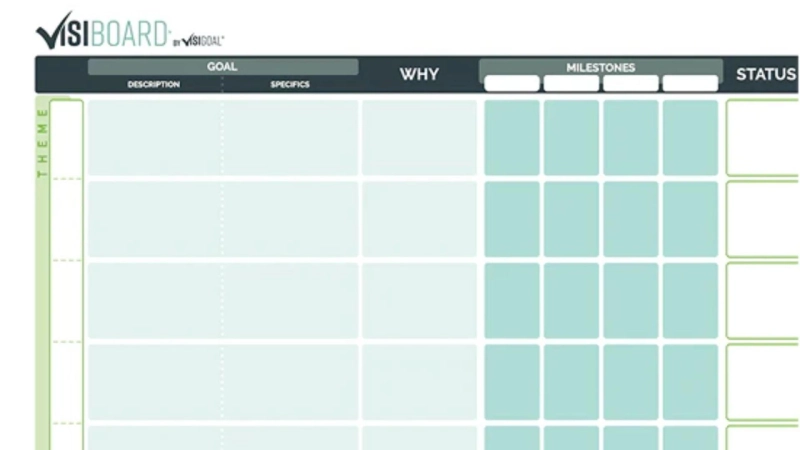
An office goal planner is usually a physical planner, calendar, or a large wall chart used in a shared workspace. It may include weekly, monthly, and quarterly goals, task assignments, and progress checkpoints. Many teams pair these planners with team goal boards or a dry erase goal board for visual tracking.
The physical presence of a planner makes goals tangible. When a team gathers around a goal board, accountability becomes more real. This tactile experience can boost collaboration and remind everyone of shared priorities.
Advantages of Physical Office Goal Planners
1. Visual Presence Encourages Accountability
A dry erase goal board or a large planner displayed in the office becomes a constant reminder of priorities. Team members see deadlines and targets every day, which helps keep goals top of mind.
2. Simplicity and Focus
Office goal planners don’t depend on notifications or app updates. This simplicity reduces digital clutter and allows teams to focus purely on the work that matters.
3. Enhanced Team Collaboration
When people physically gather around a planner or goal board, discussions become more organic. Brainstorming and strategy sessions often flow better in person than through screens.
What Digital Tools Bring to the Table
Digital goal tools include apps and software designed for tracking objectives, assigning tasks, and automating reminders. Popular options integrate with calendars, email, and team messaging platforms.
1. Accessibility and Real-Time Updates
Digital tools allow team members to check progress from anywhere. Updates are reflected instantly, which is valuable for remote or hybrid teams.
2. Automated Notifications and Reporting
Digital systems send reminders and generate progress reports without manual effort. These features help teams stay on track without frequent check-ins.
3. Scalability for Large Projects
For complex goals with many moving parts, digital tools can handle dependencies and visualize progress through charts and dashboards.
Choosing What Works Best
The choice between an office goal planner and digital tools depends on your team’s workflow and culture. If your team thrives on face-to-face interaction and physical reminders, a planner paired with a team goal board or dry erase goal board can be powerful. The visual presence of planned goals encourages engagement and ownership.
On the other hand, teams that are dispersed or highly mobile may benefit more from digital tools. Real-time updates, remote access, and automated tracking can save time and reduce miscommunication. Many teams find a hybrid approach effective-using digital systems for detailed tracking while maintaining a central planner or board for big-picture visibility.
Conclusion
Both office goal planners and digital tools serve the same purpose: helping teams achieve objectives. The best choice hinges on your team’s structure, preferences, and working style. Traditional planners offer simplicity and visibility that fosters teamwork, while digital tools provide flexibility and automation suited to dynamic, distributed teams.
Ultimately, experimenting with both methods will reveal what keeps your team most focused and productive.