



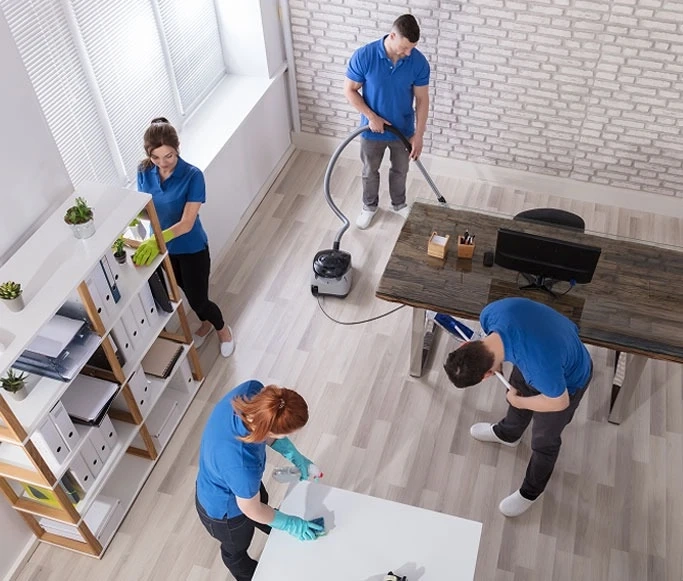
The effectiveness of a professional cleaning operation is defined not only by the skill of the personnel but also by the sophistication and maintenance of the equipment used. Unlike residential cleaning, commercial janitorial services require high-performance tools designed for durability, precision, and asset preservation. Professional providers utilize a combination of manual tools, advanced powered machinery, and emerging robotic technologies to ensure facilities remain hygienic and presentable.
Essential Manual Tools and Microfiber Technology
The foundation of professional cleaning has shifted away from traditional paper products toward microfiber technology. Professionals use microfiber mops, cloths, and dusters because they are more effective at capturing particulates and can often minimize the need for heavy chemical use. Standard operating procedures for green cleaning often mandate the use of reusable or microfiber cloths instead of disposable paper towels.
For floor maintenance, professionals utilize mops with reusable heads for routine tasks. In high-traffic areas such as corridors and break rooms, daily mopping or vacuuming is required to maintain standards. To prevent cross-contamination, professionals often use colour-coded systems or designated equipment that is never moved between restrooms and other areas of the building.
High-Performance Powered Equipment
Powered janitorial equipment is the "heavy lifter" of the industry. According to industry standards like the Cleaning Industry Management Standard (CIMS), professional equipment must meet specific performance and environmental criteria.
- Vacuum Cleaners: Professionals use high-filtration HEPA vacuums to protect indoor air quality by capturing fine dust and allergens. These machines, including backpack and wide-area models, must typically operate at a sound level below 70 decibels (dBA) to minimize disruption to building occupants. They are often certified by the Carpet and Rug Institute (CRI) Green Label program.
- Automated Scrubbing Machines: For hard floors, professionals use walk-behind or ride-on autoscrubbers. These machines are equipped with variable-rate dispensing and on-board chemical metering to ensure the correct amount of cleaning solution is used, preventing waste and slippery residue.
- High-Speed Burnishers: To maintain the shine of finished floors, professionals use burnishing or buffing equipment. Professional-grade burnishers are equipped with guards and vacuum attachments that capture fine dust particles generated during polishing.
- Carpet Extractors: Routine vacuuming is insufficient for long-term carpet care; professionals typically perform hot-water extraction every 18 to 24 months. Professional extractors must meet CRI Bronze Seal of Approval standards for deep cleaning.
Chemical Handling and Dilution Systems
Professionals rarely use "ready-to-use" (RTU) spray bottles for primary cleaning tasks. Instead, they rely on concentrated cleaning products and dilution control systems. These systems are environmentally preferable because they reduce packaging waste and lower transportation costs. More importantly, they ensure accurate chemical ratios, thereby limiting worker exposure to hazardous vapours and preventing damage to building surfaces from over-concentration. In advanced high-performance programs, some professionals use chemical-free cleaning systems that utilize ionized or electrolyzed water.
The Rise of AI and Robotics
The future of the industry is increasingly defined by AI-driven robotics. Innovations in this sector have introduced autonomous cleaning bots that can operate 24/7 without human intervention. Robotic vacuum cleaners are now capable of covering larger floor areas with higher consistency than human staff, potentially reducing cleaning costs by up to 40%. Furthermore, professionals are now deploying UV-C light robots in hospitals and public spaces to disinfect surfaces and limit viral spread more effectively than traditional manual wiping.
Infrastructure and Safety Tools
A professional cleaning "kit" also includes infrastructure to maintain the building's cleanliness.
- Entryway Matting: Professionals view walk-off mats as a critical tool. A standard professional setup involves 6-10 feet of scraper/wiper matting followed by 6-10 feet of wiper matting at all building entrances to trap dirt before it enters the facility.
- Personal Protective Equipment (PPE): Safety is a professional requirement. Janitors use specialized PPE, including nitrile or chemical-resistant gloves, safety goggles, and respirators when handling hazardous materials or biohazards.
- Signage and Spill Kits: Professionals use standardized "Wet Floor" signs and spill containment plans to respond to spills promptly and prevent slip-and-fall injuries.
Maintenance and Safeguards
Finally, professional cleaning tools are distinguished by their maintenance protocols. Organizations must maintain an equipment inventory list and a documented maintenance log. Equipment is designed with safeguards, such as rubber bumpers and rollers, to prevent accidental damage to walls and furniture during cleaning.
Conclusion
Professional office cleaning is a specialized field that requires far more than a simple mop and bucket. By utilizing HEPA filtration, microfiber technology, automated scrubbers, and AI-driven robotics, professional cleaners provide a level of hygiene and asset protection that standard tools cannot achieve. The strategic use of dilution control systems and CRI-certified machinery ensures that the cleaning process is not only effective but also safe for workers and environmentally sustainable. Ultimately, the use of these professional tools reflects a commitment to quality management and the long-term health of the built environment.