



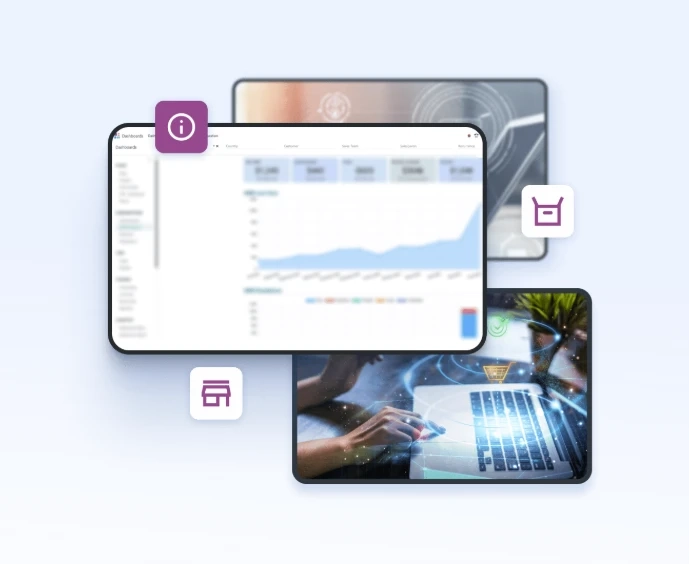
In today’s fast-paced business environment, efficient supply chain management is critical for maintaining competitiveness. Companies are constantly seeking ways to optimize logistics, reduce costs, and improve operational efficiency. One solution that has gained significant traction is Odoo Logistics. By integrating various logistics functions into a single platform, Odoo helps businesses streamline their supply chain management and adapt to the dynamic demands of the market.
Understanding Odoo Logistics
Odoo is a comprehensive suite of business applications designed to manage every aspect of enterprise operations. Its logistics module, often referred to as Odoo Logistics, provides businesses with powerful tools to manage inventory, track shipments, coordinate warehouses, and oversee the entire flow of goods and services. Unlike traditional logistics software, Odoo integrates logistics with other business functions such as sales, accounting, and procurement, providing a holistic view of operations.
The main goal of Odoo Logistics is to enable companies to enhance operational efficiency, reduce human error, and gain better control over their supply chains. This is particularly important for modern businesses where speed, accuracy, and real-time insights can significantly influence profitability.
Key Features of Odoo Logistics
Odoo Logistics offers a range of features designed to address the challenges of supply chain management:
1. Inventory Management
Effective inventory management is the backbone of any logistics operation. Odoo allows businesses to track stock levels across multiple warehouses in real time. Automated reordering rules help ensure that critical items are always available, reducing the risk of stockouts or overstocking. With Odoo, companies can manage serial numbers, batch tracking, and expiration dates, providing complete visibility and control over inventory.
2. Warehouse Management
Odoo Logistics enables advanced warehouse management through its intuitive interface. Businesses can define multiple warehouses, manage locations within warehouses, and track internal transfers efficiently. The platform supports barcode scanning, QR codes, and RFID technology, allowing warehouse staff to handle operations faster and more accurately.
3. Order Fulfillment
Seamless order fulfillment is critical for maintaining customer satisfaction. Odoo automates the entire fulfillment process, from receiving an order to shipping it. Rules can be configured for picking, packing, and delivery, ensuring that orders are processed efficiently. Additionally, integration with shipping carriers enables real-time tracking and automated shipping label generation.
4. Procurement and Supplier Management
Odoo Logistics simplifies procurement by integrating supplier management into the platform. Businesses can automate purchase orders based on inventory levels, track supplier performance, and streamline communication with vendors. This reduces administrative overhead and ensures a steady flow of goods to meet customer demand.
5. Real-Time Reporting and Analytics
Data-driven decision-making is vital for modern supply chain management. Odoo provides comprehensive dashboards and reports that offer insights into stock levels, warehouse performance, delivery times, and procurement efficiency. This allows businesses to identify bottlenecks, optimize processes, and make informed strategic decisions.
6. Integration with Other Business Functions
One of the most significant advantages of Odoo Logistics is its seamless integration with other Odoo modules, including sales, accounting, CRM, and manufacturing. This integration ensures that logistics operations are aligned with the broader business strategy, reducing silos and improving collaboration across departments.
Benefits of Using Odoo Logistics
Implementing Odoo Logistics can deliver substantial benefits to businesses of all sizes. Some of the most notable advantages include:
1. Increased Operational Efficiency
By automating manual processes and centralizing logistics operations, Odoo helps businesses reduce errors and save time. Warehouse staff can process orders faster, procurement teams can manage suppliers efficiently, and managers gain real-time visibility into the entire supply chain.
2. Cost Reduction
Odoo Logistics enables companies to optimize inventory levels, reduce excess stock, and minimize wastage. Automated reordering and accurate demand forecasting ensure that resources are used effectively, leading to significant cost savings.
3. Enhanced Customer Satisfaction
Timely delivery and accurate order fulfillment are key drivers of customer satisfaction. Odoo ensures that orders are processed efficiently and shipments are tracked in real time. Customers receive accurate updates, reducing the likelihood of complaints and returns.
4. Scalability for Growing Businesses
Odoo Logistics is highly scalable, making it suitable for small startups as well as large enterprises. As businesses grow, they can easily add new warehouses, expand their product range, and integrate additional modules without disrupting existing operations.
5. Improved Decision-Making
Access to real-time data and analytics allows managers to make informed decisions about inventory, procurement, and logistics strategies. Predictive analytics and customizable reports help businesses anticipate demand, identify trends, and optimize supply chain performance.
Real-World Applications of Odoo Logistics
Odoo Logistics is versatile and can be applied across various industries. Here are some examples:
1. Retail and E-Commerce
For online retailers, efficient logistics is crucial to maintaining customer satisfaction. Odoo Logistics helps manage warehouse operations, streamline order fulfillment, and coordinate shipping with multiple carriers. Its integration with e-commerce platforms ensures a seamless flow of information from order placement to delivery.
2. Manufacturing
Manufacturers benefit from Odoo Logistics by coordinating raw material procurement, production schedules, and finished goods inventory. Real-time tracking ensures that materials are available when needed, minimizing production delays and reducing costs.
3. Distribution and Wholesale
Distributors and wholesalers often deal with complex supply chains involving multiple suppliers, warehouses, and customers. Odoo provides visibility across the network, allowing businesses to optimize stock levels, track shipments, and respond quickly to changing demand.
4. Healthcare and Pharmaceuticals
In healthcare, logistics involves the timely delivery of medical supplies and pharmaceuticals. Odoo Logistics ensures proper tracking of batches, expiration dates, and cold chain requirements, helping healthcare providers maintain compliance and deliver critical products safely.
Implementing Odoo Logistics: Best Practices
To maximize the benefits of Odoo Logistics, businesses should follow these best practices:
1. Define Clear Objectives
Before implementation, identify the key objectives for using Odoo Logistics. Whether it’s reducing operational costs, improving warehouse efficiency, or enhancing customer satisfaction, having clear goals will guide the setup and configuration process.
2. Map Your Supply Chain
Understanding the flow of goods from suppliers to customers is essential. Map your supply chain processes to identify potential bottlenecks, inefficiencies, and areas for automation. This will help in customizing Odoo to fit your specific logistics needs.
3. Train Your Team
Successful implementation depends on the team using the system effectively. Provide comprehensive training to warehouse staff, procurement teams, and managers to ensure they are comfortable with Odoo’s features and workflows.
4. Integrate with Existing Systems
Odoo Logistics works best when integrated with other business systems such as sales, accounting, and CRM. Integration ensures data consistency, reduces duplication, and enables a unified view of business operations.
5. Monitor and Optimize
Implementation is just the beginning. Continuously monitor key performance indicators (KPIs) such as order fulfillment times, inventory accuracy, and warehouse efficiency. Use Odoo’s reporting tools to identify areas for improvement and optimize processes over time.
Partnering with Experts for Odoo Logistics
Implementing Odoo Logistics can be complex, especially for businesses with large operations or unique requirements. Partnering with experienced Odoo implementation partners, such as GloriumTech, can ensure a smooth deployment. Experts can provide tailored solutions, handle data migration, configure modules according to business needs, and provide ongoing support. This reduces the risk of disruptions and accelerates the realization of benefits.
Conclusion
In a competitive business landscape, effective supply chain management is no longer optional—it is a critical component of success. Odoo Logistics offers a comprehensive, integrated solution that streamlines logistics operations, enhances efficiency, reduces costs, and improves customer satisfaction. By leveraging its advanced features, businesses can gain real-time insights, optimize their supply chain processes, and scale operations seamlessly.
Modern businesses looking to stay ahead must adopt intelligent logistics solutions that are flexible, scalable, and data-driven. Odoo Logistics not only meets these requirements but also integrates seamlessly with other business functions, providing a holistic approach to supply chain management. Partnering with trusted experts like GloriumTech can further ensure that businesses extract the maximum value from their Odoo implementation, achieving operational excellence and sustainable growth.