


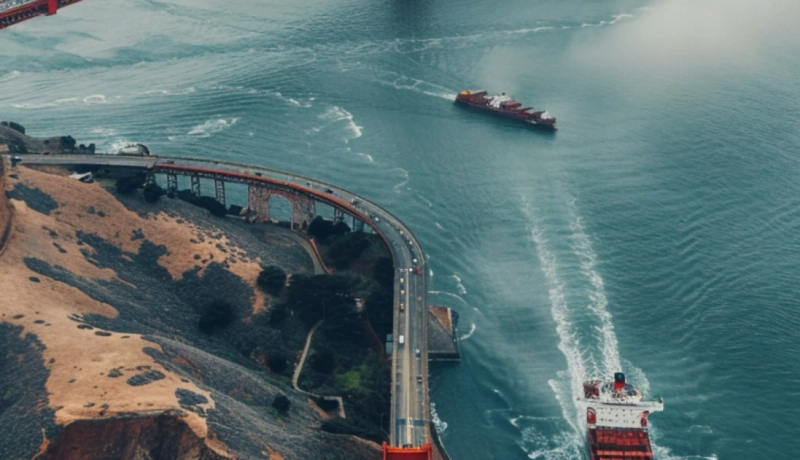
Moving a vehicle across the Pacific is a journey shaped by precision, timing, and a bit of maritime wonder. People relocate to Hawaii for its beauty, ship cars from the islands when circumstances change, or purchase specialty vehicles from the mainland. In every scenario, vehicle shipment from and to Hawaii becomes more than a routine logistical task—it becomes a coordinated operation that blends human expertise with ocean-going engineering.
Why Hawaii Vehicle Transport Requires Specialized Handling
Transporting vehicles across continental highways is predictable. But crossing 2,400 miles of open ocean introduces new considerations.
This makes vehicle shipment from and to Hawaii unique in the logistics world.
Automobiles travel aboard two primary vessel types:
- Roll-On/Roll-Off (RoRo) vessels, where vehicles are driven onboard and secured in climate-controlled decks.
- Container shipping, offering additional shielding for high-end, collectible, or custom builds.
Both methods are safe and commonly used, but containerization provides an elevated layer of security—ideal when protecting a prized automobile from salt air, moisture, or unpredictable Pacific weather.
Starting the Journey: West Coast Departure Ports
The mainland serves as the vehicle's launch point, and choosing the right port shapes the entire shipping experience. The most active gateways include:
- Oakland – Known for its frequency and robust scheduling.
- Long Beach – High traffic and efficient processing make it a top choice.
- San Diego – Convenient for military families and southern shippers.
- Tacoma – Ideal for anyone shipping from northern regions.
Each port has its distinct rhythm. Oakland may be faster. Tacoma may feel more accessible. Long Beach may offer the widest sailing options. These nuances matter because the origin port is the foundation for a smooth vehicle shipment from and to Hawaii.
Where Vehicles Arrive in Hawaii
Once loaded and secured, the vehicle begins its trans-Pacific voyage. Upon arrival, it enters one of Hawaii’s major ports:
- Honolulu (Oahu)
- Nawiliwili (Kauai)
- Kahului (Maui)
- Hilo or Kawaihae (Big Island)
Honolulu handles the bulk of incoming traffic. For shipments destined for neighbor islands, a secondary inter-island leg is often necessary. This added step demonstrates just how intricate vehicle shipment from and to Hawaii can be—timelines must line up, paperwork must match, and vessel schedules must sync closely.
Preparing the Vehicle for an Ocean Crossing
Preparation is one of the most overlooked but critical phases. A well-prepared vehicle moves through the system efficiently.
Key preparation steps include:
- Washing the vehicle for a clean inspection
- Securing or removing accessories
- Ensuring the fuel level is below one-quarter
- Removing toll tags and parking passes
- Documenting pre-shipment condition with photos
- Providing proper ownership documents
These steps aren’t just routine—they serve as essential safeguards. When moving a vehicle across such a vast distance, clarity and documentation eliminate avoidable surprises.
Understanding Transit Times and Scheduling
The Pacific crossing typically takes 7 to 14 days, depending on the route. However, the full window—including inland pickup, port processing, vessel loading, transit, and island delivery—may stretch longer.
Customers planning vehicle shipment from and to Hawaii benefit from booking early, particularly around:
- Military PCS seasons
- Summer relocation periods
- Year-end holidays
- Storm-prone months
Early planning ensures better vessel selection, smoother scheduling, and fewer last-minute fees.
Factors That Influence Shipping Costs
Shipping rates vary, but several core elements form the foundation of pricing:
- Departure port
- Arrival island port
- Vehicle size, weight, and height
- Shipping method (RoRo vs. container)
- Fuel surcharges
- Optional services such as door pickup or expedited handling
Large trucks, lifted SUVs, camper vans, and oversized builds usually incur higher fees due to space and clearance limitations. Meanwhile, valuable or custom vehicles often travel in containers for added protection despite the higher cost.
Each decision—from shipping method to port—shapes the full picture of vehicle shipment from and to Hawaii.
The Role of Insurance
Ocean voyages introduce variables that simply don’t exist during ground transport. Marine insurance provides peace of mind, offering coverage for the unlikely but possible risks associated with long-distance sea travel.
Especially for luxury, electric, or specialty vehicles, supplemental insurance ensures that the investment stays protected at every stage of the journey.
Why Professional Support Makes All the Difference
Shipping a vehicle to or from Hawaii isn’t complicated—but it is procedural. There are forms to submit, inspections to clear, port deadlines to meet, and vessel bookings to confirm. Those unfamiliar with maritime logistics often find themselves navigating a maze of requirements.
Experienced logistics partners simplify the process by:
- Handling documentation and compliance
- Managing port coordination
- Tracking the shipment
- Scheduling timely pickups and deliveries
- Ensuring smooth inter-island transfer when needed
With the right guidance, vehicle shipment from and to Hawaii becomes a predictable, efficient, and stress-free experience.
Final Thoughts
There is something remarkable about watching a vehicle transition from a familiar road to the deck of a massive vessel destined for the islands. What seems at first like a daunting logistical task transforms into a carefully orchestrated operation carried out by experts who understand the nuances of ocean transport.
When handled correctly, vehicle shipment from and to Hawaii becomes not just a necessity—but a surprisingly seamless and thoughtful service that connects people to the places they call home.