



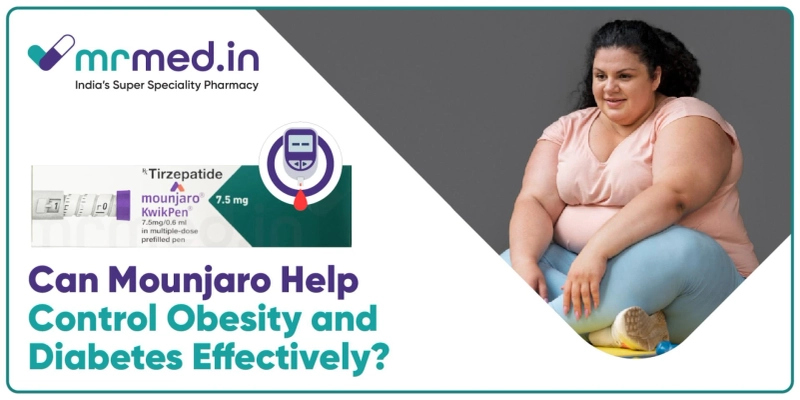
Struggling with weight and blood sugar at the same time can feel like fighting two battles on different fronts. Many people find that obesity and diabetes feed into each other, making both harder to manage. In recent years, doctors have been turning their attention to new treatments that aim to break this cycle. One name that keeps popping up in conversations is Mounjaro, and it has been generating a lot of interest among health experts worldwide.
What is the link between obesity and diabetes?
Obesity and diabetes are often called “twin epidemics” because they are so closely connected. Excess body fat, particularly around the abdomen, hinders the body's ability to utilise insulin effectively. This may lead to high blood sugar levels and eventually type 2 diabetes.
Here’s how the link works in simple terms:
- Excess fat triggers low-grade inflammation in the body.
- This reduces how well insulin can do its job.
- Blood sugar builds up in the bloodstream.
- The pancreas works harder, eventually getting tired, which worsens diabetes.
That’s why doctors emphasize weight control as a key step in preventing and managing diabetes.
How do experts manage obesity symptoms and side effects in diabetes patients?
Living with both obesity and diabetes isn’t just about numbers on a weighing scale or a blood test report. It brings along a series of symptoms and complications that can affect daily life. Some common obesity symptoms and side effects include fatigue, breathlessness, joint pain, and increased risk of high cholesterol.
When diabetes is present, the challenges multiply. Poorly controlled blood sugar can damage the eyes, kidneys, nerves, and even the heart. Because of this double burden, treatment plans focus on:
- Balanced nutrition: Cutting down on refined carbs, sugary drinks, and processed foods.
- Regular exercise: Walking, swimming, yoga, or strength training.
- Medications: Prescribed when lifestyle changes alone are not enough.
- Monitoring: Keeping track of blood sugar, weight, and other health markers.
Doctors often stress that early management is crucial to prevent serious complications later.
Why are experts discussing Mounjaro in obesity and diabetes care?
You may have heard people talk about Mounjaro KwikPen, a prescription treatment that is showing promising results for people struggling with both obesity and type 2 diabetes. What makes it stand out is its ability to target blood sugar control while also supporting weight loss.
Unlike older medicines that focused only on diabetes, this new option addresses two problems together. Experts are excited because clinical studies have shown significant improvements in weight reduction and better blood sugar levels. Which can lower the risk of long-term complications.
How does Mounjaro work in the body?
The science behind this medicine is fascinating. Mounjaro injection is based on a molecule called Tirzepatide, which mimics two natural hormones in the body that regulate blood sugar and appetite.
Here’s a simple breakdown:
- It helps the pancreas release insulin when sugar levels rise.
- It slows down digestion, keeping you full for longer.
- It reduces appetite, making it easier to eat less without feeling deprived.
This dual action is the reason why it is being seen as a breakthrough. Instead of focusing only on diabetes, it helps with weight management as well, making it a double benefit for patients.
Who can benefit from this treatment?
Doctors usually prescribe this medicine to adults who have type 2 diabetes and who also struggle with obesity. It may be especially helpful for those who haven’t achieved good results with diet, exercise, or older medications.
People who benefit most are often those with:
- A BMI that falls in the obesity range.
- Type 2 diabetes that is difficult to control.
- Health risks like high blood pressure or cholesterol along with excess weight.
That said, not everyone is suitable for this treatment. Pregnant women, people with certain thyroid conditions, or those with a history of severe stomach problems may not be eligible. A doctor’s guidance is essential before starting.
Are there side effects to watch out for?
Like any medication, this treatment can cause side effects. Most of them are related to the stomach and digestive system. Common ones include nausea, vomiting, diarrhea, or constipation. For many people, these symptoms ease with time as the body adjusts.
However, rare but serious side effects may occur. These could include severe abdominal pain, signs of low blood sugar when used with other diabetes drugs, or allergic reactions. This is why regular check-ups with your doctor are important.
The key takeaway is that while side effects exist, the benefits may outweigh the risks for many patients, especially if other treatments haven’t worked well.
What lifestyle changes can improve results with this medicine?
Experts agree that no medicine works in isolation. To get the best outcomes, lifestyle adjustments are just as important. If you are prescribed this treatment, pairing it with healthy habits can make a big difference:
- Stick to balanced meals: Include more vegetables, whole grains, and lean protein.
- Stay active: Even a 30-minute walk most days can add up.
- Monitor progress: Track weight, sugar levels, and how you feel.
- Sleep well: Poor sleep can worsen both obesity and diabetes.
- Stay consistent: Results take time, and steady habits lead to long-term success.
With the right mix of medicine and lifestyle, many people report not just better health numbers but also improved energy and quality of life.
Key Takeaways
Obesity and diabetes are complex, but they don’t have to be overwhelming. The growing attention around treatments like Mounjaro shows that science is moving toward solutions that tackle both conditions together. While it isn’t a one-size-fits-all answer, it represents hope for people who have been struggling with weight and blood sugar control for years. Combined with healthy lifestyle choices and medical supervision, it may help rewrite the story of living with these twin challenges.