



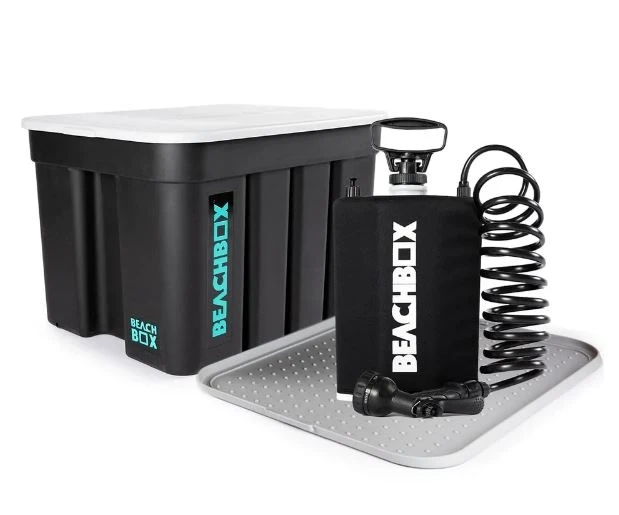
A good Portable shower drain can be the quiet hero of any outdoor setup. After a long surf session, a dusty trail ride, or a sandy afternoon with the kids, the last thing anyone wants is a puddle forming at their feet. Water should rinse the day away, not collect under your gear and turn into a muddy patch that follows you home in the trunk.
Most people focus on pressure, tank size, or water temperature. All important. Yet drainage is what keeps the experience clean from start to finish. A smart drain plan protects your vehicle, your campsite, and your comfort. It also keeps nature in better shape for the next visit.
Let’s talk about how to do it right.
Why Drainage Matters More Than You Think
Rinsing off outdoors feels simple. Spray. Scrub. Shake off. Done.
But without proper drainage, that rinse water pools under your feet. Sand turns to sludge. Dirt sticks to sandals. Towels soak up more than they should. Soon the clean-up creates another mess.
A thoughtful drain setup solves three issues at once. It keeps your standing area dry. It directs water away from your vehicle. It reduces impact on the ground around you.
For anyone using a portable shower after beach days, camping trips, mountain bike rides, or dog adventures, drainage is not a small detail. It is part of the system.
Start With the Surface Beneath You
Before thinking about hoses or attachments, look down.
Where are you standing while you rinse?
Flat concrete behaves differently than sand. Gravel drains faster than packed dirt. Grass can handle light water flow but becomes slick after a full rinse.
If you are near your vehicle, avoid low spots. Water always finds the dip. Park so the ground slopes gently away from your setup. Even a slight incline helps guide runoff in the right direction.
If you use a lid platform or standing surface, place it on stable ground. A non-slip surface adds comfort and keeps feet out of pooling water. That alone makes the rinse feel cleaner.
Direct the Flow With Intention
A proper Portable shower drain setup does not need to be complicated. It just needs direction.
Some users create a small channel in sand or loose soil with the side of a shoe. This encourages water to move away from the rinse area. Others position their unit so the spray angle naturally pushes water forward, not back toward the vehicle.
If you are rinsing off near a trailhead or parking area, aim runoff toward soil that can absorb moisture. Avoid sending water toward paved walkways where it can linger and create slick patches.
A small shift in angle makes a noticeable difference. It keeps the rinse controlled rather than chaotic.
Keep Sand and Debris in Check
Drainage is not only about water. It is also about what travels with it.
After a beach day, sand clings to ankles, wetsuits, and boards. As you rinse, that sand flows downward. If it gathers under your feet, it creates a gritty base that feels unpleasant and looks messy.
To prevent buildup, give gear a quick shake before you start the full rinse. Knock off heavy sand from towels and mats first. This reduces the load flowing into your drain area.
If your unit includes storage, use it wisely. Store muddy shoes separately from clean items. Keep rinse tools organized so you are not stepping over them mid shower.
Clean habits make drainage easier.
Be Mindful of Soap Use
Many outdoor users skip soap altogether and stick to a fresh water rinse. That keeps runoff simple and eco-friendly.
If you choose to use soap, keep it minimal and biodegradable. Direct runoff toward absorbent soil rather than hard surfaces. Avoid rinsing directly into streams, lakes, or storm drains.
A portable setup gives freedom. It also calls for good judgment.
Thoughtful drainage respects the places you enjoy.
Positioning During Camping Trips
During extended trips, your rinse station becomes part of daily life. In that case, take a few extra minutes to set it up well.
When using a camping shower portable system at a campsite, choose a spot slightly removed from your sleeping area. Keep it close enough for convenience but far enough that runoff does not flow under your tent or vehicle.
If the ground is very compact, consider placing a simple ground mat under your standing area. This prevents mud formation and keeps your feet cleaner between rinses.
Over a few days, even small amounts of water add up. A consistent drainage path keeps the site tidy from arrival to departure.
Protect Your Vehicle Interior
For many BeachBox users, the shower happens right beside the car. That makes drainage even more important.
Water that runs toward your bumper can splash back. Mud tracked from the rinse area can reach your trunk. A simple fix is to stand slightly to the side of the vehicle rather than directly behind it.
Angle the spray away from open doors. Keep towels within reach so you can dry off before stepping onto floor mats. A dry transition protects your interior and keeps post adventure cleanup minimal.
This small awareness keeps the freedom of outdoor rinsing from turning into extra work later.
Quick Maintenance After Each Use
Drainage habits do not end when the water stops.
After you finish rinsing, take a moment to check the area. If sand or debris has collected near your standing spot, brush it aside. If water has pooled, guide it outward with your foot.
Empty any remaining water responsibly. Wipe down surfaces. Let gear air dry before storing it in the box.
These few steps keep your system ready for the next outing and prevent stale odors or buildup inside storage compartments.
Clean gear supports clean drainage.
Planning for Different Environments
Not every location behaves the same.
Beach sand drains quickly but shifts underfoot. Forest soil absorbs water yet can become slick. Rocky terrain allows runoff to travel farther than expected.
Adjust your drain plan to match the setting. On sand, create a shallow channel. On grass, choose a slight slope. On gravel, ensure water flows away from high traffic areas.
Experience teaches small refinements. Over time, you will know exactly where to place your unit for the cleanest rinse possible.
A Cleaner Finish Every Time
The beauty of an outdoor rinse lies in its simplicity. Fill the tank. Pump. Spray. Wash away salt, dust, and sweat. Step back into your day feeling refreshed.
Drainage makes that simplicity complete. It protects your space. It respects the ground beneath you. It keeps the clean-up truly clean.
A well-managed Portable shower drain setup turns a basic rinse into a seamless routine. No puddles. No sludge. No extra scrubbing later.
Conclusion
BeachBox designs its systems with practical outdoor living in mind. Each detail supports a smoother transition from adventure to home, including how water flows once the rinse begins. By pairing smart design with thoughtful drainage habits, users maintain cleaner vehicles, tidier campsites, and more enjoyable outings. BeachBox continues to refine its approach so that every rinse feels controlled, comfortable, and ready for the next journey.