



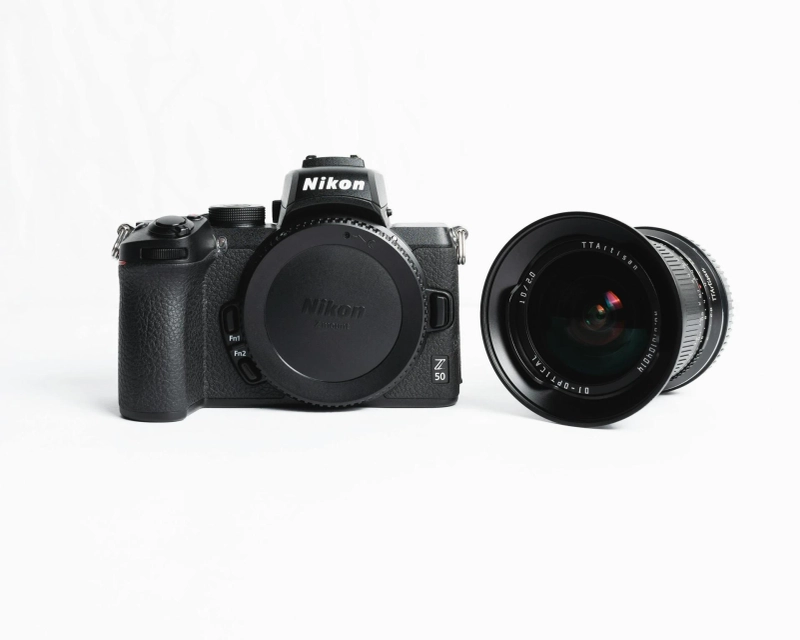
Nikon Z50 II Mirrorless Camera: Perfect Entry-Level APS-C Option
The world of mirrorless photography has undergone a massive transformation in recent years, moving away from bulky DSLRs toward compact, high-performance systems that don’t sacrifice image quality. For many aspiring photographers and content creators, the journey begins with the APS-C sensor format. The Nikon Z50 II arrives as a highly anticipated successor, positioning itself as a cornerstone of Nikon’s DX-format lineup. It is designed specifically to bridge the gap between casual smartphone photography and professional-grade imaging, offering a robust feature set that appeals to hobbyists, travelers, and budding filmmakers alike. As we analyze the capabilities of this camera, it becomes clear that Nikon has prioritized user experience, autofocus reliability, and video versatility to ensure it remains a top contender in a crowded market.
The Evolution of the Z50 Series
When the original Z50 was released, it proved that Nikon could successfully shrink its Z-mount technology into a portable, crop-sensor body. The Z50 II takes that foundation and enhances almost every critical component. At its heart is a refined 20.9-megapixel CMOS sensor, which balances resolution with exceptional low-light performance. While some might chase higher pixel counts, this sensor size is ideal for the target audience, providing manageable file sizes while still allowing for significant cropping and large-scale printing. The real magic, however, lies in the integration of the EXPEED 7 image-processing engine, the same powerful "brain" found in Nikon’s flagship Z9 and Z8 cameras.
This processing power allows the Z50 II to handle complex tasks like subject recognition and high-speed burst shooting with ease. For someone entering the hobby, having a camera that can think as fast as a professional model is a massive advantage. It reduces the technical barrier to entry, allowing the photographer to focus on composition and storytelling rather than struggling with menu settings or missed focus. This evolution signifies Nikon’s commitment to providing entry-level users with the same technological pedigree as the pros.
Design and Ergonomics: Built for Real-World Use
One of the standout features of the Z50 II is its physical design. Nikon has always been praised for its ergonomics, and this camera is no exception. It features a deep, secure grip that makes it comfortable to hold for extended periods, even when using larger lenses. The button layout is intuitive, with most essential controls reachable with the right hand. This consideration for the user’s physical comfort is vital for beginners who may be intimidated by overly complex interfaces. The camera feels solid yet remains lightweight, making it an ideal companion for travel through the diverse landscapes of Pakistan.
The addition of a fully articulating touchscreen is a major upgrade for this generation. Unlike a tilting screen, an articulating display can be flipped out to the side, making it perfect for vlogging, vertical social media content, and high-angle or low-angle shots. This flexibility is essential for the modern creator who needs to see themselves while filming or who wants to experiment with unique perspectives. The electronic viewfinder (EVF) is also bright and sharp, providing a clear view of the scene even in the harsh midday sun of the Punjab plains.
Autofocus Mastery: Bringing Flagship Tech to the Entry-Level
The most significant leap forward in the Z50 II is undoubtedly its autofocus system. By inheriting the subject-detection algorithms from the Z9, the Z50 II can now automatically recognize and track humans, dogs, cats, birds, and even vehicles like cars and planes. For a beginner, this feature is transformative. Whether you are at a family wedding or trying to capture a bird in flight at a local park, the camera does the heavy lifting of keeping the subject in sharp focus.
The "Eye-Detection" AF is particularly impressive, locking onto a subject’s eye and following it even if they move or turn away momentarily. This level of reliability ensures a much higher "keeper rate" for your photos. When considering the overall cost of a setup, many users find that researching the camera lenses price in pakistan is a crucial step, as the quality of the glass you put in front of this advanced AF system will ultimately dictate how much detail you can capture. A camera as capable as the Z50 II deserves lenses that can keep up with its speed and precision.
Video Capabilities for the Modern Creator
We live in a video-first world, and the Nikon Z50 II reflects this reality. It is a formidable tool for content creation, offering 4K video oversampled from a 5.6K area, which results in remarkably sharp and detailed footage. Unlike many entry-level cameras that crop into the frame when shooting 4K, the Z50 II maintains a wide field of view, making it much easier to film in tight indoor spaces. It also supports 10-bit internal recording, providing much more flexibility for color grading in post-production.
For vloggers, the camera includes a dedicated "Product Review" mode, which quickly shifts focus from the presenter’s face to an object held up to the camera. This is an essential feature for tech reviewers and beauty influencers. Furthermore, the inclusion of a dedicated microphone jack and a headphone jack allows for professional-level audio monitoring. This focus on video utility makes the Z50 II one of the most well-rounded hybrid cameras available for those starting their creative career.
The Importance of the Lens Ecosystem
A camera body is only as good as the lenses attached to it. While Nikon’s DX-format Z-mount lenses are excellent, the real power of the system comes from its compatibility with third-party manufacturers. Leading brands like sigma have introduced a variety of high-performance optics that are specifically optimized for APS-C mirrorless cameras, providing photographers with more choices in terms of focal length and aperture. Having access to a diverse range of lenses allows a beginner to grow from basic snapshots into specialized fields like macro, wide-angle landscape, or sports photography.
The Z-mount is the widest full-frame mount on the market, which technically benefits the APS-C sensors by allowing more light to hit the sensor at more vertical angles. This reduces vignetting and improves corner-to-corner sharpness. When a photographer decides to invest in a Z50 II, they aren't just buying a camera; they are entering an ecosystem that supports their growth. As they master the basics, they can add faster primes or longer zooms to their bag, with Hope Enterprises one time providing the necessary logistical support and retail availability to ensure these tools are accessible to the local market.
Low Light and ISO Performance
Shooting in low light is often the ultimate test for an entry-level camera. The Z50 II excels here due to its sensible 20.9MP resolution, which allows for larger individual pixels on the sensor. These larger pixels are more efficient at gathering light, resulting in less digital noise at higher ISO settings. Whether you are shooting an indoor event or a sunset landscape, the images remain clean and usable.
The EXPEED 7 processor also plays a role in noise reduction, using advanced algorithms to smooth out grain without sacrificing fine detail. This makes the camera very forgiving for those who haven't yet mastered manual lighting techniques. When paired with a fast f/1.4 or f/2.8 lens, the Z50 II becomes a low-light powerhouse, capable of capturing the atmosphere of a dimly lit room or the glow of a city street at night with remarkable clarity.
Customization and User Interface
Nikon has made the Z50 II highly customizable, a feature usually reserved for higher-end models. Users can assign specific functions to several buttons on the camera body, allowing them to tailor the device to their personal shooting style. For example, you can set a button to instantly toggle between different autofocus modes or to bring up a specific menu. This level of customization ensures that as a photographer's skills evolve, the camera can evolve with them.
The menu system itself is color-coded and logically organized, making it easy to navigate. For those transitioning from other brands or from smartphones, there is an "i-menu" that provides quick access to the twelve most-used settings. This prevents the need to dig through deep menus in the middle of a shoot. The touch interface is also highly responsive, allowing you to tap to focus or swipe through your images just as you would on a phone.
Creative Picture Controls and In-Camera Editing
For many beginners, post-processing can be a daunting task. The Z50 II addresses this with a wide array of Creative Picture Controls. These are not just simple filters; they are sophisticated presets that adjust color, contrast, and sharpening to give your images a specific look—ranging from "Candid" and "Dream" to "Dramatic" and "Binary." You can see the effect in real-time through the viewfinder or on the screen before you even take the shot.
Furthermore, the camera offers robust in-camera editing features. You can trim videos, apply filters to photos, and even process RAW files directly in the camera. This is a huge benefit for social media creators who need to get their content online quickly. You can capture a high-quality image, apply a creative look, and transfer it to your smartphone via the SnapBridge app in seconds.
Connectivity and the SnapBridge Experience
In today's connected world, a camera must be able to share images instantly. Nikon’s SnapBridge app uses Bluetooth and Wi-Fi to maintain a constant connection between the Z50 II and your mobile device. You can set the camera to automatically transfer 2-megapixel versions of every photo you take, so they are ready for sharing the moment you put the camera down.
The app also allows for remote shooting, which is incredibly useful for group photos where the photographer wants to be in the frame, or for long-exposure photography where touching the camera would cause blur. You can control the shutter, adjust exposure settings, and see a live view of the scene directly on your phone screen. This seamless integration between the camera and the smartphone is a key selling point for the younger generation of photographers.
Why the Z50 II is the Right Investment
Choosing your first "serious" camera is a major decision. The Nikon Z50 II stands out because it doesn't compromise on the essentials. It offers the best-in-class autofocus of Nikon's professional models, the video features required by modern creators, and the legendary ergonomics that make photography a joy rather than a chore. It is a camera that respects the beginner by providing helpful features, while also respecting the enthusiast by offering deep customization and professional-grade image quality.
In the context of the Pakistani market, the availability of high-quality third-party lenses and local support makes the Z-mount system a safe and rewarding investment. As the photography community in the country grows, having a reliable and versatile tool like the Z50 II ensures that you are prepared for any creative challenge that comes your way. Whether your goal is to start a professional business, document your travels, or simply capture better photos of your family, the Z50 II provides the perfect platform to begin that journey.
- Exceptional autofocus with subject detection inherited from flagship models.
- Compact and ergonomic design perfect for travel and daily use.
- Fully articulating screen and 4K oversampled video for high-quality content creation.
- Seamless connectivity with smartphones via SnapBridge for instant sharing.
The Nikon Z50 II represents a new standard for entry-level APS-C cameras. It is a testament to how far mirrorless technology has come, packing immense power into a small, accessible package. By focusing on the features that actually matter to modern users—speed, reliability, and ease of use—Nikon has created a camera that truly deserves the title of the perfect entry-level option.