


Introduction: A Familiar Dilemma for Every Parent
Choosing the right preschool can feel like walking a tightrope. You want warmth, structure, creativity, and trust—all wrapped in one perfect environment. And if you’ve been exploring options for a nursery in Greens, chances are you’ve faced the question many parents do: should you go for a shiny new nursery with modern facilities or stick with one that’s been part of the community for years?
It’s not as simple as “new equals better” or “older means safer.” Each comes with its own perks and pitfalls. The trick lies in knowing what matters most to you and your child. Let’s unpack that together.
Why Parents Are Drawn to New Nurseries
There’s something exciting about walking into a brand-new nursery. The smell of fresh paint, the polished play areas, and the promise of “modern learning” all feel reassuring.
New nurseries often market themselves as forward-thinking spaces designed with contemporary educational methods in mind. You’ll see buzzwords like STEM-inspired play, Montessori blend, or creative learning hubs. The facilities usually match the promise—open classrooms, sensory walls, and tech-friendly setups.
For parents, these new spaces symbolize innovation. They’re built for today’s world—multicultural, inclusive, and flexible.
But here’s the thing: while new nurseries bring energy and freshness, they also face the challenge of proving themselves. You may not find long-standing reviews or established alumni, which makes it harder to gauge the long-term results.
The Comfort of Experience: Why Established Nurseries Still Lead
An established nursery, on the other hand, carries a sense of security. They’ve had years to refine their teaching methods, train their staff, and build relationships with parents. Reputation doesn’t happen overnight—it’s earned through consistency and care.
These nurseries often have strong leadership teams who’ve seen what works and what doesn’t in early childhood education. You’ll find that routines are well-practiced, teachers are more seasoned, and parents are more involved.
Plus, there’s something grounding about hearing from families who’ve walked the same path. When a neighbor says, “My child started there five years ago, and we still keep in touch with the teachers,”—that kind of social proof is priceless.
However, even with their strengths, older nurseries can sometimes feel less adaptive. Some may still cling to outdated teaching tools or lack the sparkle of new technology-driven centers. It’s not universal, but it’s worth noticing.
What to Consider Before Choosing Either One
Before you decide between a new or established preschool, it helps to look beyond appearances. Let’s break it down into practical points you can actually use.
1. Observe the Teachers, Not Just the Toys
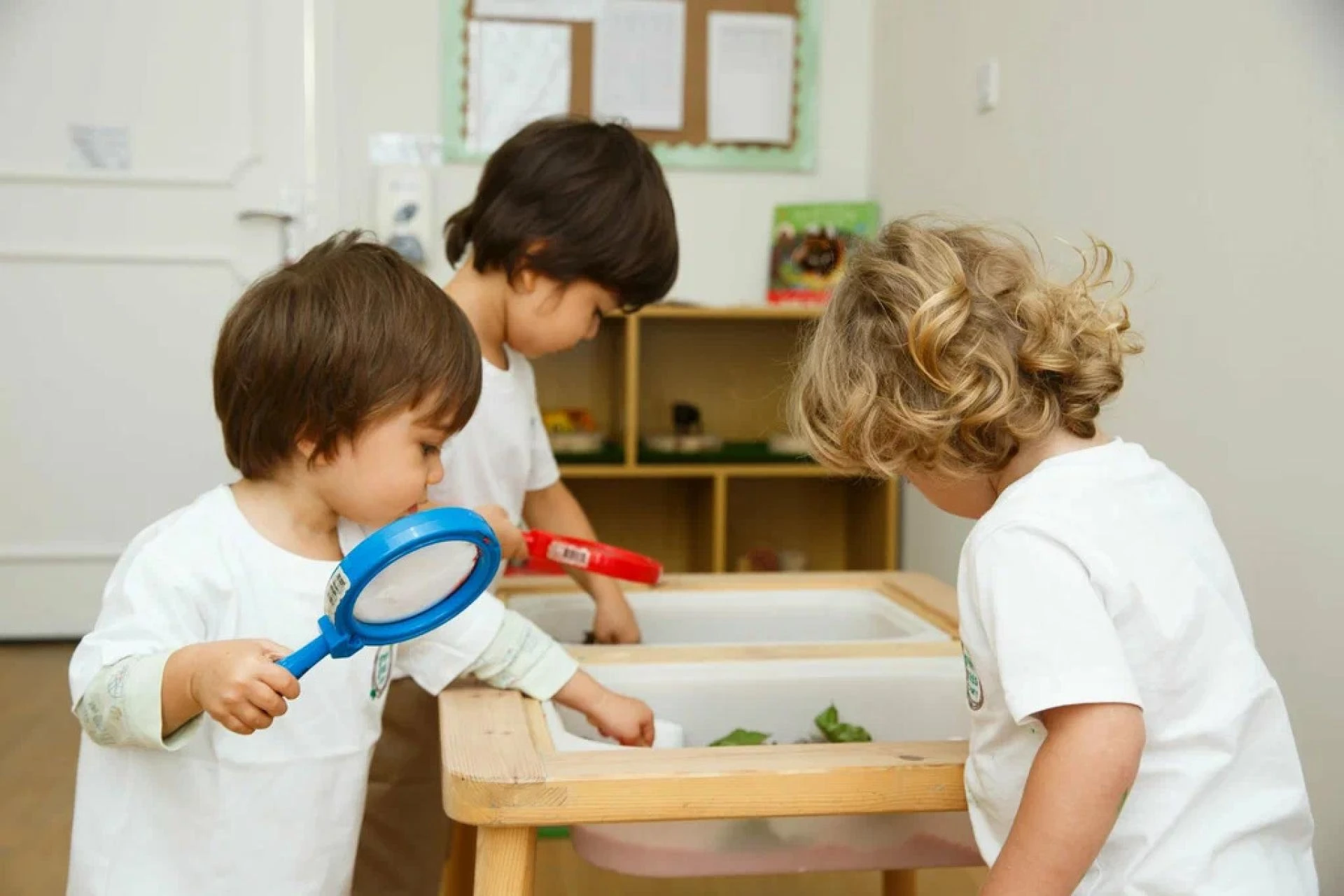
The heart of any nursery isn’t its furniture—it’s the teachers. Whether the place is new or decades old, what matters most is how educators interact with children. Watch for warmth, patience, and engagement.
Are they speaking to children or at them? Do they get down to their level, make eye contact, and listen? Those small gestures reveal a lot about the culture of care.
2. Ask About Curriculum Philosophy
A fancy brochure doesn’t equal a strong educational foundation. Ask questions like:
- How do you balance structured learning with play?
- What role does outdoor activity play in daily routines?
- How do teachers handle conflict or emotional learning?
Established nurseries often have well-documented systems, while newer ones may experiment more creatively—but make sure the approach fits your child’s needs.
3. Look for Transparency
Good nurseries, whether old or new, have nothing to hide. They’ll encourage you to visit anytime, meet teachers, and see the classroom in action. They’ll also communicate openly about fees, safety measures, and progress tracking.
If you sense hesitation, vague answers, or too much “marketing talk,” that’s a flag.
4. Check the Community Connection
New nurseries often work hard to build trust within the community, hosting open days and events. Established ones, meanwhile, may have stronger word-of-mouth networks and alumni stories. Both are valuable.
What matters is how the school interacts with parents and whether you feel genuinely included in that ecosystem.
Also Read this : Essential Tips for Parents: JVC Nursery Insights
5. Understand the Management’s Vision
Behind every great nursery is a clear vision. Ask the management team about their goals—not just for the school, but for the children.
Do they talk about nurturing curiosity, emotional well-being, and independence? Or do they focus mainly on achievements and “readiness” for big school? The difference tells you what kind of environment your child will grow up in.
Balancing Innovation with Trust
Here’s the balance point most parents reach: new nurseries bring innovation, and established ones bring trust. The sweet spot lies in finding a place that honors both—progressive teaching in a reliable, nurturing setting.
For example, a newer nursery might have interactive classrooms and digital parent updates but lack experienced staff. An older one might have passionate teachers but limited modern upgrades. Neither is perfect—but when values align with your family’s, perfection isn’t needed.
When visiting, follow your gut as much as your checklist. Sometimes, you’ll just know when a place feels right for your child.
Final Thoughts: Making a Confident Choice
At the end of the day, choosing between a new or established preschool in The Greens isn’t about status—it’s about fit. Every child is different, and so is every learning environment.
Whether it’s a brand-new setup brimming with creativity or a well-loved center that’s guided generations, what matters most is that your child feels safe, seen, and supported every day.
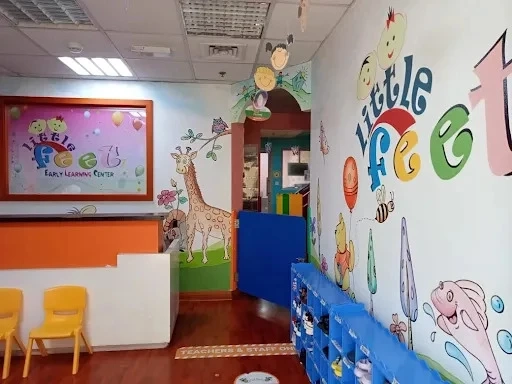
If you’re exploring trusted options, Little Feet ELC in The Greens has built a reputation for combining experience with fresh, innovative methods—creating a nurturing space where curiosity thrives.
So, visit, ask questions, take notes, and trust your instincts. Because when it comes to early education, the best decision is the one that feels right for your family.
FAQs
1. Are new nurseries less reliable than established ones?
Not necessarily. New nurseries can be just as reliable if they have experienced educators and transparent operations. Always check the management’s background and teaching philosophy.
2. What’s the biggest advantage of an established nursery?
Consistency and reputation. They’ve had time to refine their systems and build community trust.
3. Should I prioritize curriculum or facilities when choosing a nursery?
Curriculum and teacher quality matter more. Fancy facilities help, but meaningful interactions shape learning the most.
4. How can I tell if a nursery fits my child’s personality?
Observe how your child reacts during visits. Do they seem curious, comfortable, and happy? That’s often the clearest sign.
5. What makes Little Feet ELC stand out in The Greens?
Little Feet ELC blends a proven curriculum with modern teaching tools, experienced educators, and a caring community—creating a space where children truly love to learn.