



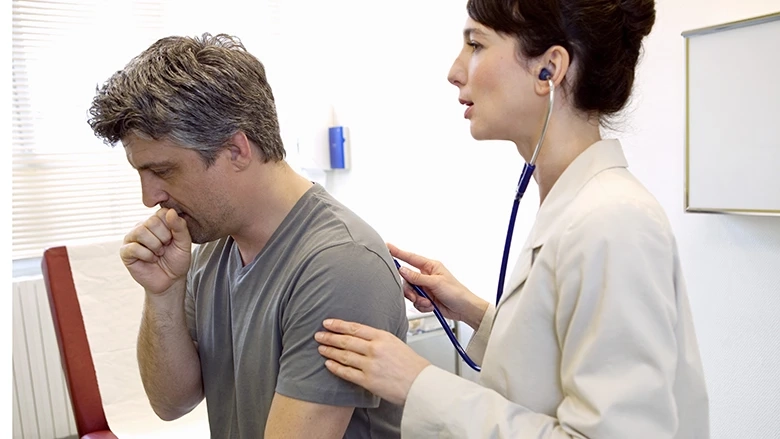
Stem cell treatment for interstitial lung disease is showing promise as a lighthouse of hope in this difficult terrain by providing a possible path for regeneration and enhanced lung function.
Appreciating Stem Cells' Part in Lung Repair
Undifferentiated cells with amazing capability for self-renewal and the ability to develop into many specialized cell types called stem cells. Their therapeutic possibilities in ILD result from many important features:
First of all, Mesenchymal Stem Cells (MSCs) especially have strong anti-inflammatory properties. A major cause of lung damage and later fibrosis in ILD is inflammation. By adjusting the immune response, MSCs may help to lower the production of pro-inflammatory cytokines and maybe stop the harmful inflammatory loop that keeps lung damage going.
Second, MSCs have anti-fibrotic properties. They may leak growth factors and other substances that stop fibroblasts—the cells in charge of generating too much collagen and scar tissue—from becoming active. Stem cells seek to prevent more scarring and maybe decrease already present scar tissue by reducing fibrotic processes, thereby increasing lung elasticity and function.
Thirdly, stem cells have transforming ability. Even in cases where the exact mechanisms are still understood, MSCs support tissue repair and regeneration. Although direct cellular replacement is a challenging operation, they might inspire the mending of damaged lung tissue, promote the development of new blood vessels (angiogenesis) to improve oxygen exchange, and even turn into lung-specific cells. The many regeneration capacity of stem cell treatment for interstitial lung disease makes it especially interesting.
Modern Studies and Clinical Uses
In certain individuals, preliminary research and early-phase clinical trials have demonstrated encouraging outcomes including stability or improvement in lung function metrics (such Forced Vital Capacity - FVC), decrease in symptoms, and improved quality of life. These noted advantages are thought to be mostly related to the anti-inflammatory and anti-fibrotic qualities of stem cells. Though the promise is great, stem cell treatment for ILD is currently mostly regarded as experimental. There is no generally accepted or uniform remedy. Most approved therapies are presented within the context of properly controlled clinical studies to compile strong scientific data on long-term safety and effectiveness.
Patients who are contemplating this alternative should make sure they follow morally accepted research procedures and seek therapies provided by respectable medical facilities. Rather than a total reversal of severe, established fibrosis, the present research focuses on delaying disease development, lowering symptoms, and enhancing the general well-being of the patient.
To Sum It Up
With ongoing developments in regenerative medicine, stem cell treatment for interstitial lung disease promises to have a better future. Deeper knowledge of stem cell processes, ideal cell kinds, doses, and delivery techniques will surface as study advances. This will open the path for more focused and successful stem cell therapy for Interstitial Lung Disease, therefore giving people suffering with this terrible illness fresh hope.