



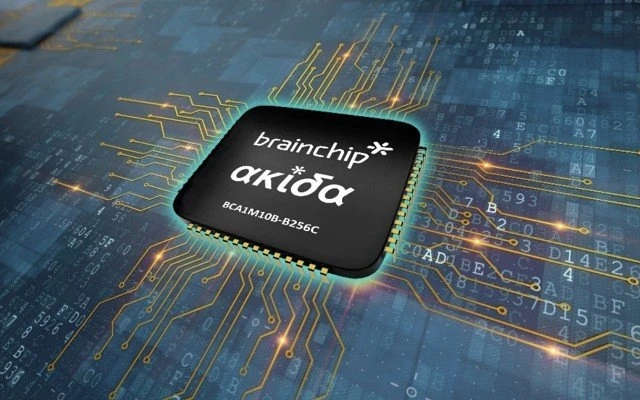
Artificial Intelligence (AI) is transforming technology, allowing devices to sense, learn, and act intelligently. Traditional AI often relies on cloud computing, which can be slow and energy-intensive. Neuromorphic AI offers a solution by mimicking the brain’s efficiency, enabling devices to process information locally. This approach is revolutionizing IoT, robotics, automotive systems, and more, ending the introduction with neuromorphic iot sensor brainchip akida 2.
What Is Neuromorphic Computing?
Neuromorphic computing is an AI approach inspired by the human brain. Unlike conventional AI, which processes data continuously, neuromorphic systems only respond when events occur. This makes them highly energy-efficient and ideal for devices with limited power.
These systems use artificial neurons and synapses to transmit and process information. The result is faster decision-making, lower power consumption, and the ability to operate independently of cloud servers. According to brainchip holdings news, neuromorphic AI is gaining traction as a key technology for real-time, edge-based intelligence.

How Neuromorphic AI Works
Neuromorphic AI relies on spiking neural networks (SNNs), which mimic the way neurons in the brain fire only when activated.
For example, a vision sensor equipped with neuromorphic AI does not analyze every video frame. It only reacts to movement or other significant changes. This event-driven processing minimizes energy use and allows devices to learn from their environment in real time. Recent insights from brainchip holdings news highlight that SNNs are becoming essential for smart sensors and adaptive devices.
Why Edge AI Is Critical
Edge AI refers to AI systems that process data directly on the device, rather than sending it to a central server or cloud. This approach has several benefits:
- Real-Time Decisions: Devices can respond instantly.
- Enhanced Privacy: Sensitive data stays local.
- Energy Efficiency: Reduced reliance on cloud computing lowers power consumption.
Combining edge AI with neuromorphic computing creates intelligent devices capable of learning, adapting, and acting efficiently. This is why on chip ai is increasingly being integrated into robotics, healthcare devices, and IoT systems.
Where Neuromorphic AI Is Used
Neuromorphic AI is particularly valuable in scenarios where quick response and energy efficiency are essential.
Robotics
Robots need to react immediately to their surroundings. Neuromorphic AI allows them to recognize objects, avoid obstacles, and adapt to changing environments efficiently.
Automotive
Autonomous vehicles and driver-assistance systems rely on real-time data from multiple sensors. Neuromorphic AI enables faster reactions and safer driving by processing information locally.
Smart Security
Security cameras with neuromorphic processing can detect suspicious activity instantly. By analyzing video locally, these systems reduce false alarms and improve reliability.
Internet of Things (IoT)
IoT devices, such as smart sensors and wearable devices, often have limited battery life. Neuromorphic AI enables these devices to operate longer while performing intelligent tasks efficiently.
What Are Neuromorphic Sensors?
Neuromorphic sensors combine sensing and processing in one system. Instead of sending all raw data to a processor, they detect and respond to events directly.
For example, a motion sensor can detect unusual patterns in real time and trigger alerts immediately. In mid-level applications, neuromorphic iot sensor brainchip akida 2 demonstrates how devices can handle advanced tasks efficiently, even in large-scale IoT networks.
How Devices Learn Locally
One of the main advantages of neuromorphic AI is on-device learning. Unlike traditional AI, which requires cloud-based retraining, neuromorphic systems can adapt to new information on the spot.
For instance, a smart home sensor can learn typical movement patterns and detect anomalies in real time. Local learning improves response speed, reduces reliance on external servers, and keeps sensitive data private.
Energy Efficiency and Sustainability
Neuromorphic AI is highly energy-efficient. Event-driven processing ensures that devices only compute when necessary, which minimizes power usage.
This makes it ideal for battery-powered devices such as drones, wearables, and remote sensors. Reduced energy consumption also supports sustainability by lowering electricity use and extending device lifespans.
How Scalability Improves AI Adoption
Scalability allows the same neuromorphic technology to be used across devices of different sizes and complexities. Small sensors, industrial machines, and robotics systems can all use similar core AI designs.
This flexibility simplifies development and reduces costs. According to brainchip latest news, scalable, energy-efficient AI is increasingly important as IoT and smart device networks expand globally.
Real-Time Decision Making
Neuromorphic AI enables devices to make decisions instantly, which is critical in applications such as:
- Autonomous driving
- Industrial automation
- Health monitoring
- Environmental sensing
With on chip ai, these systems can act quickly without depending on cloud servers, improving reliability and responsiveness.
The Future of Neuromorphic AI
Neuromorphic AI is expected to play a major role in the next generation of smart devices. As the number of connected devices grows, efficient, real-time processing becomes essential.
Devices capable of learning and acting locally will drive innovation in healthcare, smart cities, industrial systems, and environmental monitoring. Neuromorphic computing ensures these devices remain energy-efficient, fast, and scalable.
Conclusion
Neuromorphic AI represents a significant shift in how machines process information. By mimicking the brain, these systems provide energy-efficient, event-driven intelligence.
With local learning, scalable design, and intelligent sensors, neuromorphic iot sensor brainchip akida 2 exemplifies the future of edge AI. As more devices adopt this technology, we can expect smarter, faster, and more responsive systems across robotics, automotive, IoT, security, and other industries.