



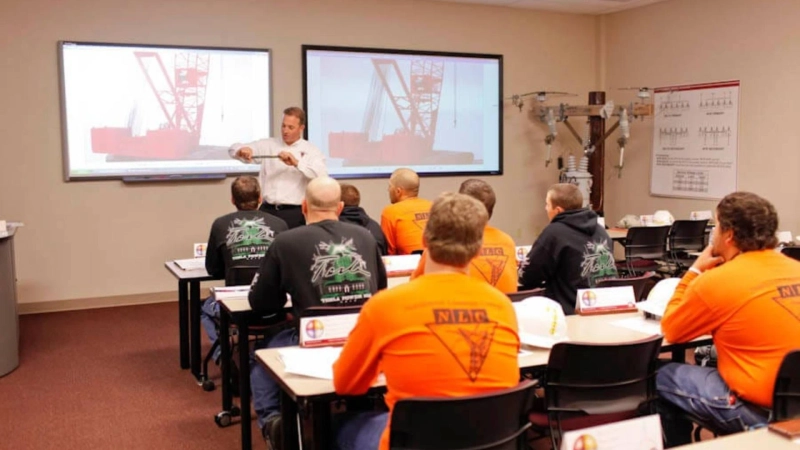
Recertification often comes up faster than expected. One day, work feels routine. The next, the expiration date is staring back at you. For many operators, choosing the right Crane Training Program in San Bernardino is not about checking a box. It is about staying confident, staying safe, and staying employable. This blog takes a clear and practical look at recertification and how the right training choice can make all the difference.
Why Recertification Matters More Than People Think
Recertification exists for a reason. Crane work involves risk. Standards evolve. Safety rules improve. Equipment changes. Recertification ensures operators stay aligned with current expectations, not outdated habits.
It also protects everyone on site. A current credential shows that an operator understands today’s rules, not just yesterday’s experience. For employers, it signals trust. For operators, it supports long term career growth.
Think of recertification as a reset. It brings skills back into focus and helps close small gaps before they become big problems.
Experience Is Valuable, But Updates Are Essential
Years in the field build confidence. That confidence is earned. Still, experience alone cannot replace updated knowledge.
Rules shift. Testing formats change. Even load charts may look different from what operators used years ago. Without review, even skilled professionals can feel caught off guard.
Good training does not dismiss experience. It builds on it. It connects new standards to real job situations. That approach respects operators while helping them stay current.
As one trainer often says, “You already know the work. We help you prove it again.”
Common Concerns Operators Share
Most operators feel the same pressure when recertification comes up. The questions are familiar.
Will the test be harder this time?
Did the rules change?
What happens if I fail?
These concerns are normal. The problem starts when they go unanswered. A strong program explains the process clearly. It breaks down what to expect. It shows where mistakes usually happen.
Clear guidance removes fear. Preparation replaces doubt.
Why Structured Training Makes a Difference
Reading a manual helps, but structure matters more. Structured training organizes information in a way that makes sense.
Instead of jumping between topics, operators review material step by step. They see how rules apply on real job sites. They ask questions and get clear answers.
Short lessons work best. Simple language helps ideas stick. When learning feels manageable, confidence grows.
Good programs focus on clarity, not overload.
Learning That Feels Like a Conversation
The best training does not feel stiff. It feels human.
Instructors talk with operators, not at them. Real scenarios get discussed. Mistakes get explained without judgment. Questions are encouraged.
Sometimes humor helps. A quick laugh can break tension and make a point memorable. Learning sticks better when people feel comfortable.
Training works best when it feels like teamwork.
Licensing and Local Expectations
Recertification often connects directly to licensing requirements. Operators renewing a Crane Operator License in San Bernardino need training that reflects both certification standards and local expectations.
Local rules matter. Job site practices vary by region. Programs that understand the local environment prepare operators better.
Generic training can miss these details. Local insight turns abstract rules into practical knowledge. That difference matters on test day and on the job.
The Role of Practical Review
Written exams are only one part of recertification. Practical skill review is just as important.
Hands on sessions allow operators to revisit controls, signals, and safety checks. Trainers observe and provide feedback. This process reinforces muscle memory.
Many operators leave these sessions feeling sharper than before. They realize how helpful review can be, even after years of experience.
Practice builds calm. Calm improves performance.
How to Spot a Quality Program
Not all programs offer the same value. Some rush. Some focus only on speed. Quality programs focus on outcomes.
Here are key signs of strong training support:
What to look for in a recertification program
- Instructors with real field experience
- Clear explanations of testing requirements
- Help with paperwork and scheduling
- Focus on common exam challenges
- An environment that welcomes questions
Programs with these traits tend to deliver better results and less stress.
Mistakes That Make Recertification Harder
Many operators struggle because of avoidable choices. Skipping preparation is the most common one. Choosing a program based only on cost is another.
Fast options may save time upfront but create stress later. Cheap programs often lack support. When training feels rushed, confidence suffers.
Recertification deserves attention. The right preparation saves time, energy, and frustration.
Confidence Carries Beyond the Test
Recertification does not end with a passed exam. It influences how operators approach work.
Updated knowledge builds confidence. Confidence improves decision making. Employers notice operators who stay current and prepared.
In a competitive field, staying certified and confident creates opportunity. It shows commitment without needing explanation.
A Healthier Way to View Recertification
Instead of seeing recertification as a chore, it helps to see it as a checkpoint.
It is a chance to review habits. A chance to sharpen skills. A chance to move forward with clarity.
Asking the right questions helps. What do I need to review? Where do I want more confidence? Who can support me through this process?
The answers often lead to better training choices.
Final Remarks
Crane Training Academy approaches recertification with purpose and care. The academy focuses on clear instruction, real world understanding, and operator confidence. Its programs are designed to support professionals at every stage, not overwhelm them. By combining experience, structure, and practical insight, Crane Training Academy helps operators renew credentials while strengthening skills. The result is training that feels supportive, effective, and grounded in real job demands.