



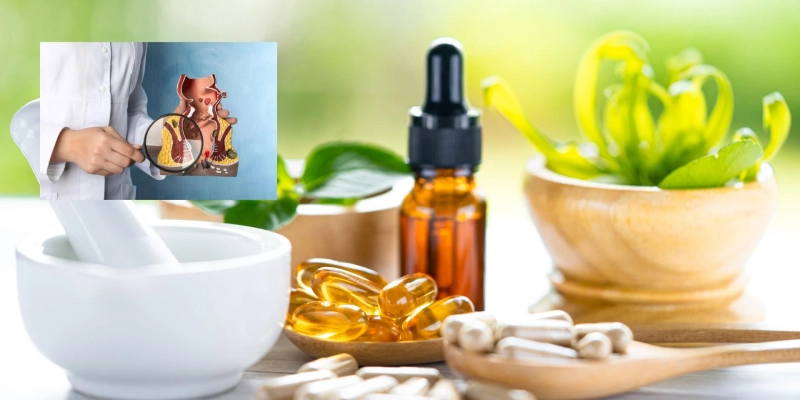
Hemorrhoids, a common and often uncomfortable condition, affect people from all walks of life. Characterized by swollen and inflamed veins in the rectum and anus, they can cause a range of symptoms from itching and pain to bleeding. In Thailand, as in many other countries, it is not uncommon for people to first turn to natural remedies and lifestyle changes for relief. The appeal of these methods lies in their accessibility and the perception that they are gentle and free of side effects. For many, a hemorrhoid is a condition they would prefer to manage discreetly and without a doctor’s visit.
While some natural remedies are based on centuries of traditional practice, others have gained popularity more recently. The question that remains is whether these approaches are truly effective or if they are simply a temporary solution.
The Foundation of Natural Relief: Lifestyle and Diet
Before exploring specific treatments, it is essential to understand that the most effective natural approach to hemorrhoids is preventative. The primary cause of hemorrhoids is straining during bowel movements, often due to constipation. Therefore, addressing this underlying issue is the cornerstone of any successful natural remedy.
1. High-Fiber Diet
A diet rich in fiber is the most fundamental and scientifically-backed strategy for both preventing and treating hemorrhoids. Fiber adds bulk to your stool, making it softer and easier to pass. This reduces the need to strain and minimizes pressure on the veins in the rectal area.
- Soluble Fiber: Found in foods like oats, beans, apples, and bananas. Soluble fiber dissolves in water to form a gel-like substance that helps soften stools.
- Insoluble Fiber: Found in whole grains, vegetables, and wheat bran. This type of fiber adds bulk to stools, helping them move through the digestive system more quickly.
In Thailand, a high-fiber diet is easily achievable. Incorporating local fruits like papaya, mango, and guava, along with a variety of vegetables and whole grains, can significantly improve digestive health.
2. Hydration
Drinking plenty of fluids is critical for fiber to work effectively. Water helps the fiber absorb moisture, keeping your stools soft and promoting regular bowel movements. Aiming for 8 to 10 glasses of water per day, especially in Thailand’s warm climate, is a simple yet powerful habit that can prevent constipation and reduce hemorrhoid symptoms.
3. Regular Exercise
A sedentary lifestyle is another risk factor for hemorrhoids. Regular physical activity helps stimulate bowel function and reduces pressure on the veins. Even moderate exercise, like a daily walk or a bicycle ride, can make a significant difference in preventing constipation and, in turn, preventing hemorrhoids from developing or flaring up.
Soothing Symptoms with Home Remedies
While diet and lifestyle changes address the root cause, a variety of at-home remedies are used to soothe the immediate symptoms of pain, itching, and swelling.
1. Sitz Baths
A sitz bath involves sitting in a shallow basin of warm water for about 15-20 minutes. This practice can provide immediate relief from itching, pain, and irritation by improving blood flow to the area and relaxing the anal sphincter muscles. A sitz bath can be done using a special basin that fits over a toilet seat or simply in a regular bathtub. For many people, this simple act offers significant comfort during a flare-up.
2. Topical Applications
Several natural substances are applied directly to the affected area to reduce symptoms.
- Witch Hazel: This natural astringent is often found in medicated wipes and creams. It can help reduce swelling and irritation.
- Aloe Vera: Known for its anti-inflammatory properties, pure aloe vera gel can be applied to soothe the inflamed area. It is important to use pure aloe vera without added alcohol or perfumes, which could cause further irritation.
- Coconut Oil: With its natural anti-inflammatory and antibacterial properties, coconut oil is a popular folk remedy. It may help reduce swelling and discomfort, but scientific evidence to support a cure is limited.
It is important to note that while these remedies may provide temporary relief, they do not address the underlying issue. They are best used as complementary treatments alongside lifestyle adjustments.
The Role of Supplements
For those who struggle to get enough fiber from their diet alone, or for a more direct approach, some supplements have shown promise in managing hemorrhoids.
1. Fiber Supplements
Over-the-counter fiber supplements like psyllium husk can be an excellent way to ensure you meet your daily fiber intake goals. They are easy to use and can be mixed into water or juice. When taking fiber supplements, it is crucial to drink plenty of water to prevent bloating and gas.
2. Bioflavonoids
Bioflavonoids, which are plant compounds found in fruits and vegetables, have been studied for their potential to treat hemorrhoids. Specifically, micronized purified flavonoid fractions (MPFFs), such as diosmin and hesperidin, have been shown in some studies to improve venous tone and reduce capillary permeability, which can help alleviate symptoms like bleeding and pain. While these supplements are not a cure, they may be a viable option for symptom relief and should be discussed with a doctor.
When Natural Remedies Are Not Enough: The Medical Perspective
Natural remedies are most effective for mild, early-stage hemorrhoids and as a preventative measure. However, there are instances where they are simply not enough. In Thailand, doctors and specialists in proctology and colorectal surgery offer a range of effective medical treatments.
Early Intervention
If hemorrhoids are persistent or cause significant pain and bleeding, a doctor may recommend non-surgical, office-based procedures.
- Rubber Band Ligation: This procedure involves placing a small rubber band around the base of an internal hemorrhoid to cut off its blood supply. The hemorrhoid eventually withers and falls off, typically within a week. It is a common and highly effective treatment for internal hemorrhoids.
- Sclerotherapy: A chemical solution is injected into the hemorrhoid to shrink it. This treatment is often used for bleeding hemorrhoids and is a quick procedure with minimal discomfort.
When to Seek Immediate Medical Help
It is vital to see a doctor if you experience persistent rectal bleeding, severe pain, or if the symptoms do not improve after a week of at-home care. A doctor can rule out more serious conditions, such as colorectal cancer, which can have similar symptoms to hemorrhoids.
Conclusion
The pursuit of natural remedies for hemorrhoids is a valid and often effective strategy for managing this common condition. Lifestyle changes, such as a high-fiber diet, proper hydration, and regular exercise, are the most powerful tools for prevention and long-term relief. At-home remedies like sitz baths and topical applications can provide much-needed comfort for immediate symptoms. However, it is crucial to understand that these remedies have their limitations. When symptoms are severe, persistent, or accompanied by significant bleeding, consulting a healthcare professional is the safest and most effective course of action. By combining the best of natural care with professional medical advice, you can find lasting relief and maintain your health and well-being.
FAQs
1. Do spicy foods in Thai cuisine cause hemorrhoids?
This is a common belief, but there is no scientific evidence to suggest that spicy food directly causes hemorrhoids. However, in some individuals, consuming large amounts of spicy food can irritate the digestive system and contribute to diarrhea, which can, in turn, irritate existing hemorrhoids.
2. How long should I try natural remedies before seeing a doctor?
You can safely use natural remedies for mild symptoms for about a week. However, if your symptoms are severe, if you have significant bleeding, or if they do not improve after a week of at-home care, you should see a doctor for a proper diagnosis and treatment plan.
3. Can natural remedies cure my hemorrhoids completely?
Natural remedies, particularly diet and lifestyle changes, can be highly effective in preventing hemorrhoids and managing mild symptoms. They can help shrink existing hemorrhoids and prevent recurrence by addressing the underlying cause. However, they are generally not a cure for more advanced or severe hemorrhoids, which may require medical intervention.
4. Are over-the-counter creams considered natural remedies?
Not all over-the-counter creams are considered natural. Some contain active pharmaceutical ingredients like hydrocortisone or lidocaine, which are effective but not natural. However, many over-the-counter products do contain natural ingredients like witch hazel or aloe vera alongside these medical compounds.