As the world continues to move toward greener building materials, cork is fast becoming a frontrunner in the world of sustainable construction. Known for its natural insulating properties, durability, and environmental benefits, cork has evolved into various innovative forms, including spray foam insulation cork, natural cork coating, and sprayed cork coating. These eco-friendly options are not just transforming the way buildings are insulated—they’re revolutionizing energy efficiency, acoustic control, and even aesthetics.
What is Cork Insulation and Why It Matters
Cork is a renewable, biodegradable material harvested from the bark of the cork oak tree, primarily found in the Mediterranean region. Unlike other materials that require cutting down trees, cork harvesting doesn’t damage the tree, allowing it to regenerate naturally. This makes cork one of the most sustainable materials available in modern construction.
When processed into different forms, such as foam insulation or coatings, cork becomes a powerful tool in reducing energy loss, enhancing comfort, and improving the overall indoor environment.
Spray Foam Insulation Cork: A Smarter Way to Save Energy
Spray foam insulation cork is a hybrid material that combines the superior sealing power of spray foam with the natural thermal and acoustic benefits of cork. Applied directly to walls, ceilings, or floors, this type of insulation expands on contact, filling every gap, crack, and crevice. The result is an airtight seal that drastically reduces heat loss and air leakage.
What makes spray foam insulation cork stand out is its ability to regulate indoor temperatures year-round. In the winter, it helps retain heat, and in the summer, it keeps interiors cool—drastically cutting down on heating and cooling costs. Additionally, cork is naturally resistant to mold, mildew, and pests, offering long-term durability that other synthetic materials often lack.
Beyond its functional benefits, this insulation method is environmentally conscious. Unlike many petroleum-based foams, cork-based foam insulation reduces the carbon footprint of your building project. It’s a perfect choice for homeowners and builders looking to meet green building standards and certifications.
Natural Cork Coating: Nature’s Protective Armor for Your Building
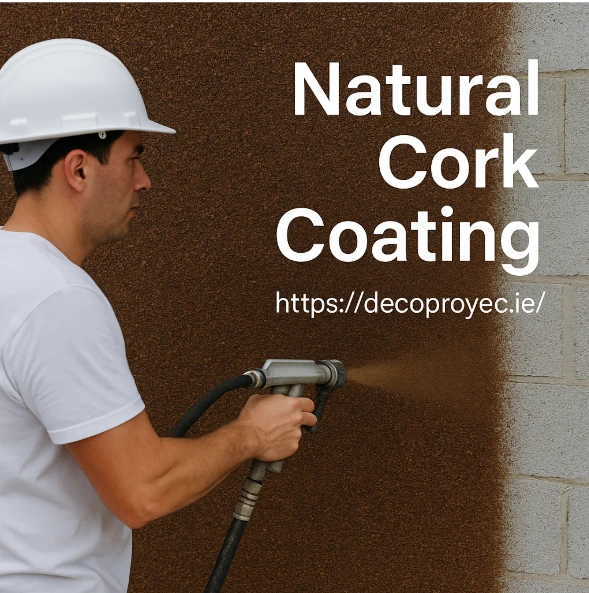
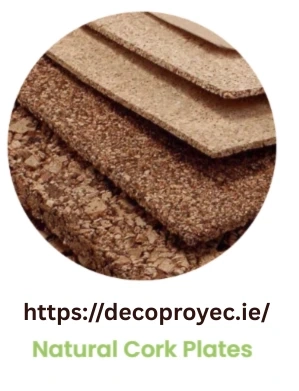
Natural cork coating is another exciting application of cork in the construction world. This type of coating is made from crushed cork mixed with a water-based binder, forming a thick, paste-like texture that can be applied to a variety of surfaces—walls, roofs, concrete, and even wood.
Once applied, natural cork coating creates a breathable, waterproof, and elastic layer that protects surfaces from environmental damage. Whether you’re battling heavy rainfall, extreme temperatures, or harmful UV rays, cork coating holds its own as a resilient shield. It’s also resistant to cracking, making it ideal for exterior applications in both residential and commercial settings.
What sets natural cork coating apart is its ability to provide thermal insulation while maintaining breathability. Traditional coatings and paints often trap moisture inside walls, leading to mold and structural damage. Cork, being naturally porous, allows moisture to escape, maintaining a healthier indoor environment.
Plus, it comes in various colors and textures, adding a modern aesthetic to homes and buildings without compromising performance.
Sprayed Cork Coating: Easy Application Meets Superior Performance
For those seeking a more seamless and efficient application method, sprayed cork coating is an ideal solution. This form of cork coating is applied using specialized spray equipment, ensuring an even, uniform finish over large areas. It adheres to most surfaces with ease and can be applied quickly—making it a favorite among professional contractors and DIY renovators alike.
Sprayed cork coating offers the same core benefits as natural cork coating: thermal insulation, soundproofing, fire resistance, and water repellency. However, the spray application allows for smoother coverage and better penetration into textured or uneven surfaces.
This method is particularly beneficial for retrofitting older buildings, where traditional insulation methods may be difficult or intrusive to install. Whether used on rooftops, exterior walls, or indoor ceilings, sprayed cork coating provides a smart, sustainable upgrade.
The Environmental and Financial Benefits of Cork-Based Solutions
Choosing spray foam insulation cork, natural cork coating, or sprayed cork coating is more than a practical building decision—it’s an investment in sustainability. Cork has a lower environmental impact than traditional materials, thanks to its renewability and energy-efficient properties.
Over time, cork-based insulation and coatings help reduce utility bills, extend the lifespan of your building materials, and minimize repair or maintenance costs. Moreover, cork is 100% recyclable, which means even after decades of use, it can be repurposed or decomposed without harming the environment.
Final Thoughts
In a world where sustainable living is no longer optional, cork emerges as one of the smartest, most responsible choices in construction and home improvement. Whether you're insulating your home with spray foam insulation cork, protecting surfaces with natural cork coating, or renovating with sprayed cork coating, you’re not just enhancing your space—you’re contributing to a greener planet.
Embrace the cork revolution and experience the perfect balance of performance, aesthetics, and sustainability.