



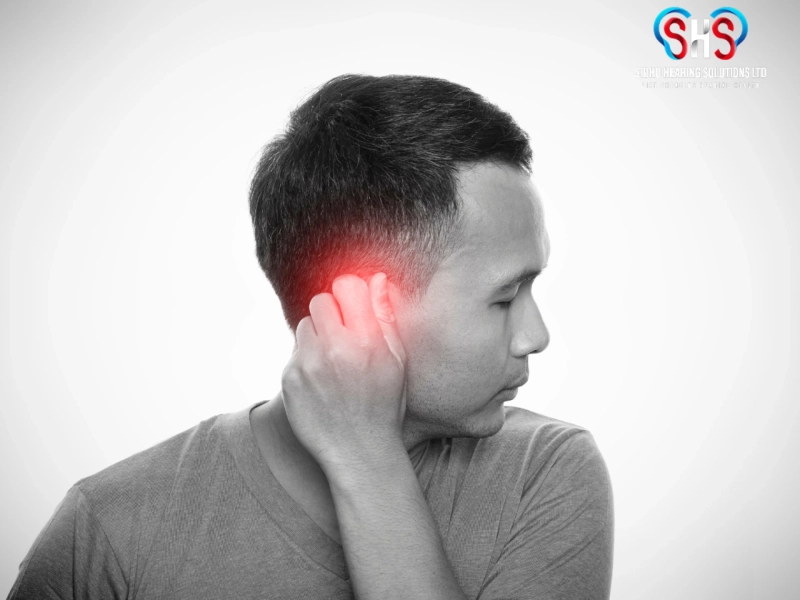
Blocked ears can feel surprisingly distressing. Sounds seem distant, conversations require more effort, and everyday noise loses clarity. Many people immediately search for ways to fix the problem themselves, especially when the blockage appears suddenly. Understanding how to unblock wax in ears safely is essential, because the wrong approach can make the problem worse rather than better.
This article explains why ear wax becomes trapped, what you should and should not do, when professional help is necessary, and how safe treatment restores hearing effectively.
Why Ear Wax Sometimes Gets Stuck
Ear wax is produced naturally to protect the ear canal. Under normal conditions, it moves outward on its own. Blockages occur when this natural movement is interrupted.
Common causes include:
- Frequent use of earbuds or headphones
- Wearing hearing aids
- Narrow or curved ear canals
- Changes in wax texture with age
- Pushing wax inward during cleaning
- Environmental factors common in cities like London
Once wax becomes compacted, it can no longer clear naturally.
How You Know Ear Wax Is the Cause
Not all blocked-ear sensations are caused by wax, but there are signs that strongly suggest it.
Typical symptoms include:
- Gradual or sudden muffled hearing
- A blocked or “plugged” feeling
- Ringing or buzzing sounds
- Hearing that worsens after showering
- Hearing aids sounding dull or weak
If these symptoms are present, wax build-up is often the underlying reason.
What NOT to Do When Your Ears Feel Blocked
Many people instinctively reach for household solutions. Unfortunately, these are the most common reasons wax becomes impacted.
Cotton Buds
Cotton buds do not remove wax. They push it deeper, compacting it against the eardrum.
Sharp or Improvised Objects
Hairpins, keys, or similar items can injure the ear canal and increase infection risk.
Ear Candles
These provide no medical benefit and can cause burns or wax drips inside the ear.
Excessive Home Flushing
Improper flushing can worsen blockages or cause discomfort.
Avoiding these methods is the first step in protecting your hearing.
Safe First Steps You Can Take
If symptoms are mild, there are limited steps that may help soften wax before professional care:
- Allow warm water to gently run over the ear during a shower
- Use professionally recommended softening drops if advised
- Avoid inserting anything into the ear canal
These steps do not remove impacted wax but may reduce discomfort until proper treatment.
Why Professional Help Is Often Necessary
Once wax is impacted, it rarely clears on its own. Professional ear care ensures:
- Accurate identification of the blockage
- Selection of the safest removal method
- Protection of the eardrum
- Immediate hearing improvement
Attempting to force wax out can lead to prolonged symptoms or injury.
How Professionals Unblock Wax Safely
Professional ear wax removal focuses on precision and care.
Ear Examination
The ear canal is examined to confirm wax build-up and rule out infection or damage.
Tailored Removal Method
The safest technique is chosen based on wax type and ear condition.
Gentle Wax Removal
Wax is removed carefully, avoiding pressure or discomfort.
Post-Treatment Advice
Guidance is given to help prevent recurrence.
This approach restores hearing without risk.
How Quickly Hearing Improves
One of the most reassuring aspects of professional ear wax removal is the immediate result. Many people experience clearer hearing straight away, often describing it as “a sudden return of sound.”
This immediate improvement confirms that wax, not permanent hearing loss, was the cause.
When Blocked Ears Should Never Be Ignored
You should seek professional help promptly if:
- Hearing loss appears suddenly
- There is pain or discharge
- Dizziness or balance issues occur
- Home methods do not help
- Symptoms persist beyond a few days
Delaying treatment can worsen symptoms and complicate removal.
Why Ear Wax Problems Keep Returning for Some People
Some individuals are more prone to wax build-up due to:
- Ear canal shape
- Hearing aid use
- Skin conditions
- Age-related changes
For these individuals, routine ear checks are often the best preventive approach.
Preventing Wax Blockages Long-Term
After wax is removed, maintaining ear health becomes much easier.
Helpful habits include:
- Never using cotton buds
- Keeping earphones and hearing aids clean
- Limiting extended headphone use
- Booking routine ear checks if prone to wax build-up
Prevention reduces discomfort and repeat blockages.
The Emotional Impact of Blocked Hearing
Blocked ears sysmtoms do more than reduce sound. They affect confidence, communication, and mental focus. Many people feel frustrated, isolated, or tired from straining to hear.
Restoring clear hearing often improves mood, concentration, and social comfort almost instantly.
Why Professional Advice Matters More Than Online Tips
Online advice often treats all ear problems the same. In reality, every ear is different. Professional assessment ensures that:
- Wax is truly the cause
- Removal is appropriate
- No underlying issue is missed
This personalised care protects long-term hearing health.
👂 Stop Guessing, Start Hearing Clearly Again
If you’re searching for how to unblock wax in ears, the safest and most effective solution is professional care that restores hearing without risk.
Contact Details – Ealing Hearing
📍 Ealing Hearing Centre
64 Northfield Avenue,
Ealing, W13 9RR,
London, United Kingdom
📞 0800 002 5777