



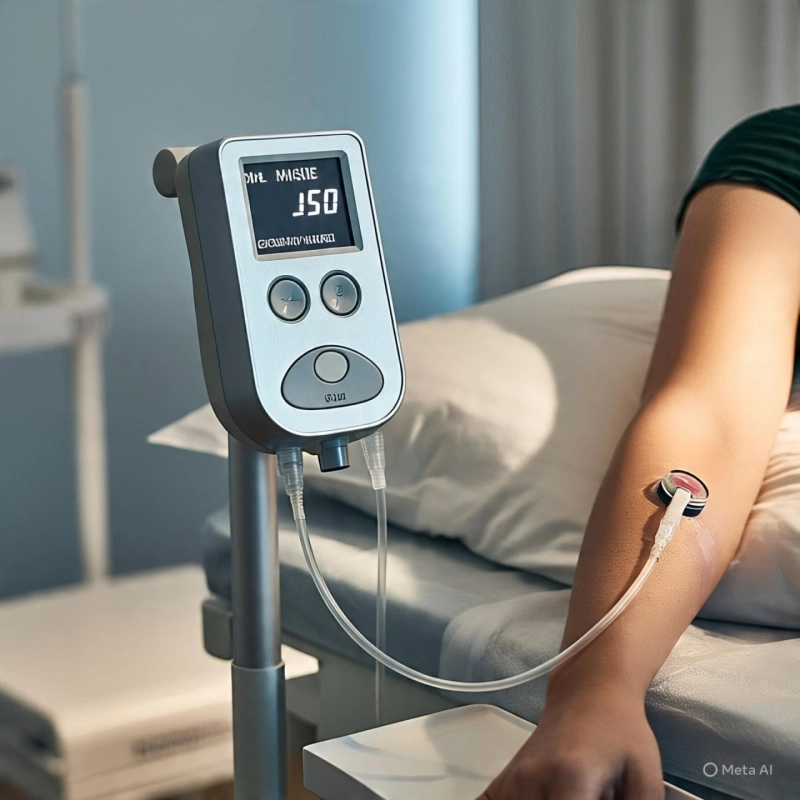
What is a Muscle Oxygen Monitor?
In today’s world of health and fitness, technology plays a very important role. Many people are using smart devices like fitness trackers and heart rate monitors to track their workouts. But there is another useful tool that not everyone knows about—the Muscle Oxygen Monitor.
A muscle oxygen monitor is a small device that shows how much oxygen your muscles are using during exercise. This helps you understand how hard your muscles are working. It gives you real-time data and helps improve your training by showing when to push harder or when to rest.
This article will explain what a muscle oxygen monitor is, how it works, and how it can help you in your fitness journey. We’ll also guide you in choosing the right one and answer some common questions.
How Muscle Oxygen Monitoring Works
Muscle oxygen monitors work using a special technology called Near-Infrared Spectroscopy (NIRS). Don’t worry—it sounds complex, but it’s safe and simple.
These devices shine invisible light into your skin and measure how much oxygen is in your muscles. The light tells how much oxygen is in your blood and how much your muscle is using. The device then shows this information on a connected app or screen.
Two main things are measured:
- SmO₂ (Muscle Oxygen Saturation): This is the percentage of oxygen left in your muscle.
- tHb (Total Hemoglobin): This tells the total blood volume in your muscle area.
As you exercise, your muscles use more oxygen. The monitor helps you know when your muscles are close to running out of oxygen. This tells you whether to slow down or rest. It’s like having a personal coach that listens to your muscles in real time.
This technology is non-invasive and safe. You don’t need needles or wires. Just stick the sensor to your skin, and it starts working.
Why Muscle Oxygen Monitoring Matters
You might wonder, “Why do I need a muscle oxygen monitor if I already have a fitness tracker or smartwatch?” Good question. While heart rate monitors and step counters are helpful, they don’t tell you what’s happening inside your muscles.
Here’s why muscle oxygen monitoring is important:
- It shows how your muscles are really working. You can tell if you’re pushing too hard or not enough.
- It helps avoid overtraining. If oxygen levels stay low for too long, it’s a sign to take a break.
- It improves recovery. You can see how quickly your muscles return to normal after workouts.
- It gives personal data. Everyone’s body is different. What works for others may not work for you.
Whether you're an athlete or just starting out, this device helps you train smarter. Instead of guessing, you’re using real data from your own body. That leads to better results and fewer injuries.
Benefits for All Fitness Levels
The best part about a muscle oxygen monitor is that anyone can use it. You don’t have to be a professional athlete to benefit.
For beginners:
- Helps you avoid doing too much too soon.
- Guides you on when to rest.
- Builds healthy workout habits with real feedback.
For intermediate users:
- Helps you train in the right zone.
- Improves endurance and performance.
- Tracks changes in your muscle response over time.
For athletes:
- Fine-tunes training for better race day results.
- Shows how muscles respond to different workouts.
- Supports periodization and recovery planning.
Even people going through physical therapy or recovering from injury can use it. Doctors and trainers can track how muscles heal and grow stronger.
So, no matter your age or goal, this tool gives valuable insight into how your body really works during exercise.
Choosing the Right Muscle Oxygen Monitor
With so many products in the market, choosing the best muscle oxygen monitor can feel confusing. Here are simple tips to help you decide:
What to look for:
- Ease of use: It should be simple to attach and operate.
- Mobile app: A good app shows real-time data and stores workout history.
- Comfort: Make sure the sensor is comfortable during movement.
- Battery life: Longer battery life means fewer interruptions.
- Price: Some devices are budget-friendly, others are more advanced.
Popular brands:
- Moxy Monitor – Trusted by elite athletes and professionals.
- Train.Red – Easy to use, good for both beginners and pros.
- Humon Hex – Stylish and user-friendly.
- BSX Insight – Works with Garmin and other devices.
Start with a basic model if you’re new. As you gain experience, you can upgrade to more advanced models. The key is to find a device you will actually use regularly.
How to Use It Correctly
Using a muscle oxygen monitor is easy if you follow the right steps:
- Pick the muscle you want to monitor. Common choices are thighs, biceps, or calves.
- Clean the skin and remove any sweat or oils.
- Attach the sensor using the provided tape or strap.
- Connect to the app on your smartphone.
- Start your workout and watch live data.
Here are a few pro tips:
- Always use the same spot on your body for consistency.
- Record your workouts and compare data over time.
- Don’t panic if numbers go up and down—this is normal.
- Use it during different types of workouts (running, cycling, weight lifting) to see how your muscles respond.
- Combine oxygen data with your heart rate for a full-body picture.
Using it regularly will help you understand your body’s unique patterns and needs.
Tracking Progress with the Monitor
One of the biggest benefits of using a muscle oxygen monitor is tracking your progress over time. You get more than just numbers—you get insight.
Here’s how it helps:
- Spot improvements. You’ll notice that your muscles can hold oxygen longer or recover faster after weeks of training.
- Customize your plan. You can adjust training intensity based on what your muscles are telling you.
- Track fatigue. If your oxygen level stays low after light effort, it may be time for more rest.
- Better results. When you train based on your body’s data, you make faster gains and avoid common fitness mistakes.
Let’s say you run three times a week. By comparing oxygen data, you’ll see which days you perform better. This helps you plan rest days and high-effort workouts more wisely.
Tracking muscle oxygen is like giving your body a voice. It tells you when it’s ready and when it needs rest—so you don’t have to guess.
Conclusion: A Smarter Way to Train
In simple words, a muscle oxygen monitor is a smart tool that helps you understand what your muscles are doing during workouts. It’s not just about working harder—it’s about working smarter.
This device helps everyone, from beginners to professional athletes. It’s easy to use, gives real-time feedback, and helps you avoid injury and burnout. With this monitor, you can train based on what your body really needs, not just what a workout plan says.
So, if you want to take your fitness to the next level, consider adding a muscle oxygen monitor to your routine. It’s like having a mini coach that lives inside your muscle, giving you advice every step of the way.
Frequently Asked Questions (FAQs)
Q1. What is a muscle oxygen monitor used for?
A muscle oxygen monitor shows how much oxygen your muscles are using during workouts. It helps improve performance and prevent overtraining.
Q2. Is it safe to use on the body?
Yes, it’s completely safe. It uses harmless light and does not cause any pain or damage.
Q3. Do I need to be an athlete to use one?
No! Anyone who exercises—whether beginner or expert—can benefit from using this device.
Q4. Can I use it at home?
Yes, these monitors are made for personal use and are very easy to set up at home.
Q5. How often should I use it?
You can use it during any workout. Using it regularly helps you track long-term progress.
Q6. Where can I buy a muscle oxygen monitor?
You can find them online on websites like Amazon, or directly from fitness tech brands like Moxy, Train.Red, or Humon.