



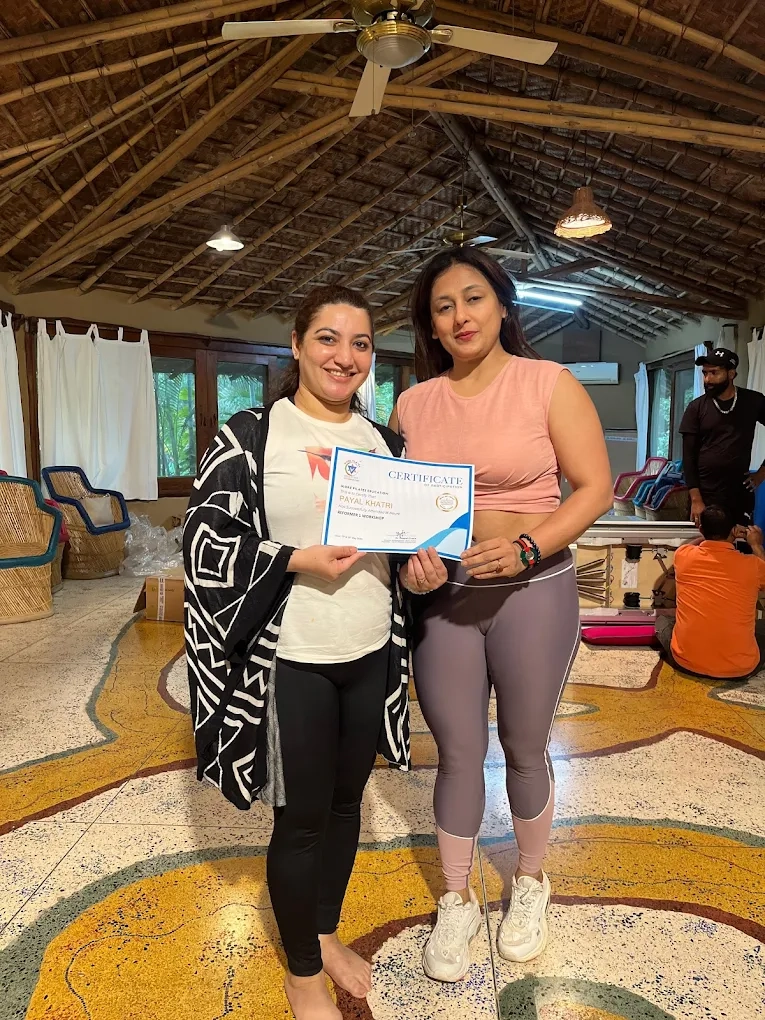
In recent years, holistic approaches to health and wellness have gained immense popularity, and one such approach is movement therapy certification. This field emphasizes the use of body movement as a means to improve mental, emotional, and physical well-being. Unlike traditional exercise programs, movement therapy integrates psychology, physiology, and creativity, making it an enriching practice for both professionals and individuals seeking self-development.
Movement therapy is based on the belief that the body and mind are interconnected. When people express themselves through motion, they can access emotions, release stress, and heal from trauma in ways that words alone cannot achieve. By guiding participants to use intentional and expressive movement, therapists help them process feelings, enhance self-awareness, and improve overall health.
The Foundation of Movement Therapy
The practice of movement therapy draws from various disciplines, including dance, kinesiology, somatic studies, and psychotherapy. It recognizes that physical posture, gesture, and rhythm often reflect inner experiences. For example, someone struggling with anxiety might display restlessness in their movements, while someone dealing with depression might show slowed, heavy motions. By observing and gently guiding these patterns, therapists can help clients channel their energy in healthier directions.
Research has shown that movement therapy is effective in addressing issues such as stress, trauma, developmental disorders, chronic illness, and even social challenges. It can be applied to individuals of all ages, from children to seniors, and is adaptable in both clinical and community settings.
Skills Gained Through Certification
Obtaining formal training in this field equips professionals with a wide range of skills. A certified practitioner learns how to:
- Assess body language and non-verbal communication.
- Develop therapeutic movement interventions for different conditions.
- Use rhythm, breathwork, and posture to encourage healing.
- Apply movement techniques in group therapy, rehabilitation, or educational contexts.
- Support clients in building confidence, resilience, and creativity through physical expression.
These skills make practitioners valuable not only in mental health care but also in areas like rehabilitation centers, schools, wellness retreats, and community health programs.
Who Can Benefit From Movement Therapy?
Movement therapy is highly inclusive, making it beneficial for a wide spectrum of people. Children with developmental delays can use structured motion exercises to improve coordination and communication. Adults coping with stress or burnout can release tension through guided physical expression. Elderly individuals, especially those with mobility concerns, can find gentle exercises that restore confidence and encourage social engagement.
Additionally, movement therapy is a powerful tool for people recovering from trauma. Since traumatic memories are often stored in the body, moving with awareness can help individuals release emotional pain and build a renewed sense of safety.
Career Opportunities
As awareness of holistic healing grows, so does the demand for trained practitioners. Graduates of movement therapy programs may find opportunities in:
- Hospitals and rehabilitation facilities.
- Mental health clinics and counseling centers.
- Schools and special education institutions.
- Wellness and yoga studios.
- Community development and outreach organizations.
Many practitioners also choose to work independently, offering private sessions or workshops tailored to different populations.
The Broader Impact
Movement therapy not only supports individual healing but also fosters community well-being. Group sessions encourage connection, empathy, and collaboration. People who engage in movement together often experience a sense of belonging and collective energy that words cannot replicate. This makes the practice valuable for social integration and cultural expression as well.
Conclusion
Movement therapy represents a unique bridge between the physical and emotional aspects of health. By pursuing certification in this field, practitioners gain the tools to help others heal, express themselves, and reconnect with their bodies. It is more than a professional qualification—it is a journey toward understanding the profound ways in which motion can shape human experience. Whether applied in clinical care, education, or community wellness, movement therapy continues to demonstrate that healing begins when we learn to move with awareness and intention.