



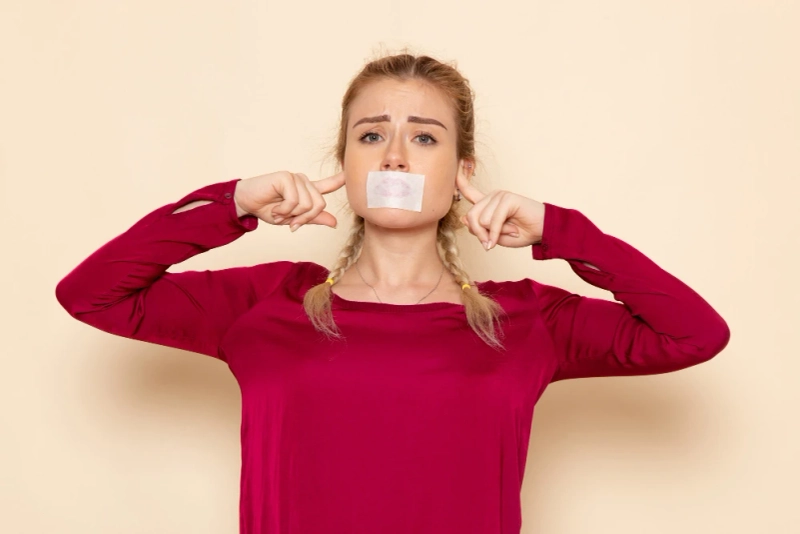
If you've ever woken up with a dry mouth, sore throat, or disturbed sleep, you might have heard of a rising trend: mouth taping. It’s a simple idea—tape your mouth shut before going to bed to encourage nasal breathing. But does this method really help, or could it actually be harmful? As a trusted dentist in West Edmonton, we want to explore both sides of this trend and help you make an informed decision.
What Is Mouth Taping?
Mouth taping is exactly what it sounds like—placing a small piece of breathable tape over your lips to keep your mouth closed while you sleep. The goal is to promote nasal breathing instead of mouth breathing, which many experts agree is healthier overall. Some claim it improves sleep quality, reduces snoring, and even benefits oral health.
The practice has gained popularity on social media and among sleep enthusiasts, but it’s important to look at the science before jumping in.
Why Do People Mouth Breathe?
Many people breathe through their mouths while sleeping without even realizing it. This could be due to:
- Nasal congestion
- Sleep apnea
- Allergies
- Anatomical issues like a deviated septum
- Habitual breathing patterns
Mouth breathing, especially during sleep, can lead to problems such as bad breath, dry mouth, gum inflammation, and even tooth decay. These issues often send patients searching for a dentist near you, hoping to solve the underlying causes.
Potential Benefits of Mouth Taping
1. Better Sleep Quality
Nasal breathing helps regulate oxygen intake and supports a steady heart rate. Mouth taping may reduce snoring and allow for deeper, more restful sleep. Some people report waking up feeling more refreshed and energetic after just a few nights of using the tape.
2. Improved Oral Health
Mouth breathing can dry out saliva, which acts as your mouth's natural cleaning agent. Without enough saliva, bacteria can multiply quickly, leading to cavities and bad breath. Taping your mouth shut may help maintain a moist environment in the mouth, which is crucial for healthy teeth and gums.
3. Reduced Snoring
Mouth taping may help keep your tongue in a better position during sleep and prevent the vibrations that cause snoring. While this might not work for everyone, those with mild snoring might see improvements.
Potential Risks of Mouth Taping
Despite the potential upsides, mouth taping isn’t for everyone. There are several concerns you should consider before trying this method.
1. Breathing Difficulties
If you have a blocked nose due to allergies, a cold, or a structural problem, taping your mouth could make breathing difficult. This can be dangerous, especially if you don’t wake up immediately to remove the tape.
2. Sleep Apnea Concerns
Mouth taping is not a solution for sleep apnea, a condition where breathing repeatedly stops and starts during sleep. In fact, for people with undiagnosed or untreated sleep apnea, mouth taping could worsen symptoms by restricting airflow.
3. Skin Irritation
Using adhesive on your lips night after night may cause skin irritation or allergic reactions in some individuals. Always use medical-grade, hypoallergenic tape designed for skin to avoid damage.
Who Should Avoid Mouth Taping?
While mouth taping might be a helpful technique for some, others should steer clear unless advised by a healthcare professional. You should not attempt mouth taping if:
- You have a respiratory condition like asthma or COPD
- You suffer from frequent nasal congestion or sinus infections
- You’ve been diagnosed with sleep apnea
- You feel anxious or claustrophobic with anything on your face while sleeping
It’s always best to speak with a medical provider or dentist before trying this method.
Tips for Trying Mouth Taping Safely
If you're curious and feel it might help, follow these safety tips:
- Start slowly: Try mouth taping for short periods while you're awake to get used to the sensation.
- Use the right tape: Choose a skin-safe, breathable tape specifically made for this purpose. Never use duct tape or anything harsh.
- Check nasal airflow: Ensure you can breathe easily through your nose before taping your mouth shut.
- Observe your sleep: If you wake up gasping for air, feeling tired, or uncomfortable, discontinue use and consult a healthcare provider.
Alternatives to Mouth Taping
Not ready to tape your mouth? That’s totally okay. There are other ways to encourage nasal breathing during sleep:
- Use nasal strips to open airways
- Elevate your head while sleeping
- Address allergies with medication or nasal rinses
- Practice breathing exercises like the Buteyko method
- Visit a dentist or ENT for a thorough evaluation
These methods may help retrain your body to breathe through your nose without the need for tape.
What Does the Research Say?
While anecdotal evidence and small studies suggest benefits, large-scale research on mouth taping is still limited. Some studies show that nasal breathing can improve blood pressure and heart function, but mouth taping itself hasn't been studied extensively.
Experts agree that the benefits of nasal breathing are clear—but whether or not mouth taping is the best method to achieve it remains uncertain.
Conclusion: Talk to a Professional First
Mouth taping while sleeping might offer benefits for those struggling with mouth breathing, but it’s not a one-size-fits-all solution. For some, it can promote healthier sleep and better oral health. For others, it might be risky, especially if underlying conditions are present.
If you’re considering this method, it’s important to first consult a healthcare provider or dental professional.
At Westside Family Dental, we’re here to guide you through all your oral health concerns—including those that show up while you sleep. Whether you’re curious about mouth taping, struggling with dry mouth, or looking for long-term dental care solutions, our friendly team is ready to help. If you're searching for a trusted dentist near you, visit us in West Edmonton for expert advice tailored to your needs.