


In today’s fast-paced digital world, screens are no longer passive tools for viewing content. They have evolved into intelligent, responsive systems that actively shape how we learn, collaborate, and communicate. From classrooms and boardrooms to retail stores and healthcare facilities, smart interactive displays are redefining engagement by blending technology with human interaction.
What Are Smart Interactive Displays?
Smart interactive displays are advanced digital screens that allow users to interact directly through touch, gestures, stylus input, or connected devices. Unlike traditional displays, they are powered by integrated software, sensors, and connectivity features that enable real-time collaboration, multimedia interaction, and seamless integration with other smart systems.
These displays act as dynamic platforms where information can be shared, edited, and explored collectively, making them far more impactful than static screens.
Transforming Education Through Engagement
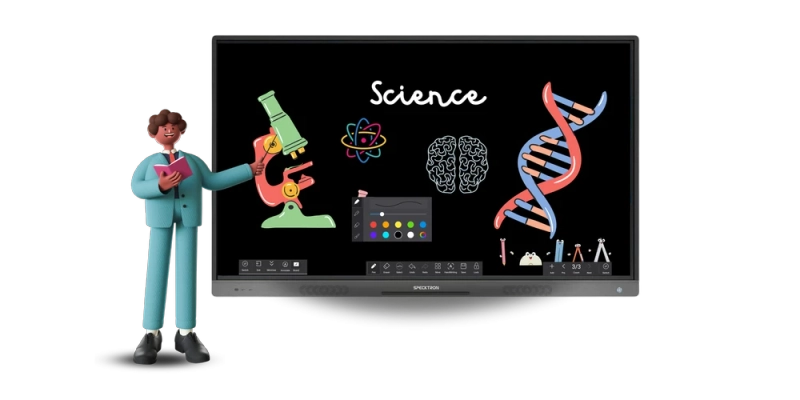
One of the most significant impacts of interactive display technology can be seen in education. Modern classrooms are shifting away from one-way teaching methods toward immersive, student-centered learning. Teachers can present multimedia lessons, annotate content in real time, and encourage student participation through interactive exercises.
This hands-on approach improves comprehension and retention, especially for visual and kinesthetic learners. With cloud connectivity, lessons can also extend beyond the classroom, allowing students to revisit materials anytime, anywhere.
Driving Collaboration in the Workplace
In professional environments, collaboration is key to innovation. Interactive displays enable teams to brainstorm, visualize ideas, and make decisions together—whether they are in the same room or joining remotely. Real-time screen sharing, digital whiteboarding, and instant file access streamline meetings and reduce the friction often caused by disconnected tools.
When used effectively, More Than a Screen: The Power of Smart Interactive Displays becomes evident in how these tools enhance productivity, encourage creativity, and support hybrid work models without sacrificing engagement.
Enhancing Customer Experiences
Retailers and service providers are also leveraging interactive displays to create memorable customer experiences. Digital kiosks, interactive product catalogs, and smart signage allow customers to explore options at their own pace while receiving personalized recommendations.
This level of interactivity not only captures attention but also empowers customers to make informed decisions, increasing satisfaction and brand loyalty.
Supporting Smarter Decision-Making
Beyond engagement, interactive displays play a critical role in data visualization and analysis. In sectors like healthcare, engineering, and corporate strategy, complex information can be presented in intuitive, visual formats that make patterns and insights easier to understand.
Teams can manipulate data in real time, test scenarios, and collaborate on solutions more efficiently. This capability turns displays into decision-support tools rather than simple presentation devices.
The Future of Human-Tech Interaction
As artificial intelligence, Internet of Things (IoT), and cloud technologies continue to evolve, smart interactive displays will become even more intuitive. Voice control, predictive analytics, and personalized interfaces are already emerging, pointing toward a future where displays adapt to users instead of the other way around.
The true value of More Than a Screen: The Power of Smart Interactive Displays lies in their ability to bridge the gap between technology and human interaction—making digital experiences more natural, collaborative, and impactful.
Final Thoughts
Smart interactive displays are not just an upgrade in screen technology; they represent a shift in how we connect with information and with each other. By enabling engagement, collaboration, and smarter decision-making across industries, these displays are shaping a more interactive and responsive digital landscape.
As organizations continue to prioritize user experience and efficiency, smart interactive displays will remain at the forefront of meaningful digital transformation.