



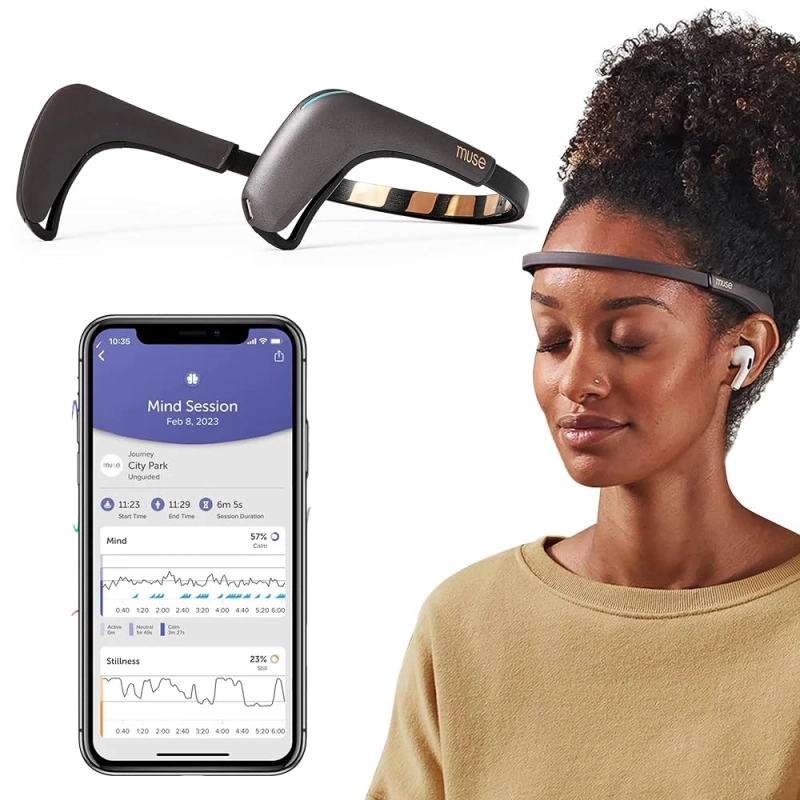
In today’s fast-paced world, mental and emotional well-being is just as important as physical health. Stress, anxiety, lack of focus, and constant distractions affect millions of people daily. Often, individuals are unaware of how their emotions influence productivity, relationships, and overall happiness. A mood sensing headband is an innovative wearable device designed to monitor emotional states in real time and provide actionable insights for better mental wellness.
These headbands use advanced sensors and artificial intelligence (AI) to track brain activity, heart rate, and skin responses. The collected data helps determine whether a person is calm, focused, stressed, or happy. With this knowledge, users can manage emotions more effectively, improve concentration, and maintain balance in daily life.
Mood sensing headbands are more than just tech gadgets—they act as personal emotional assistants. Students can enhance focus during study sessions, professionals can manage workplace stress, athletes can optimize performance, and teachers can monitor student engagement. By giving real-time feedback, these devices help users understand their emotions and make informed choices to improve well-being.
This article explores how mood sensing headbands work, their benefits, applications, limitations, future trends, and tips for choosing the right device. By the end, you will understand why this technology is becoming essential for emotional health.
How Mood Sensing Headbands Detect Emotional Changes
A mood sensing headband may look simple, but it is a sophisticated device capable of detecting subtle emotional changes. Most headbands use EEG (electroencephalography) sensors to monitor brain waves, which reflect emotional states. Many devices also incorporate heart rate monitors and skin conductivity sensors to capture additional information about emotional responses.
Brain waves provide essential insight. Alpha waves indicate relaxation, beta waves show alertness or stress, and theta waves suggest deep calm or meditation. By continuously monitoring these signals, the headband can identify patterns that indicate whether a person is focused, relaxed, anxious, or happy.
Heart rate and skin conductivity further enhance accuracy. A sudden increase in heart rate or skin conductance may signal stress, excitement, or anxiety. Combining these physiological signals allows mood sensing headbands to accurately detect emotional states.
Artificial intelligence plays a key role in interpreting the data. Advanced algorithms classify emotions and provide feedback through smartphone apps, vibrations, or LED indicators. This real-time feedback enables users to respond proactively to stress or low focus.
Over time, these devices learn personal emotional patterns, increasing their accuracy and customization. Mood sensing headbands are therefore more than gadgets—they are tools for self-awareness, emotional management, and improved mental wellness.
Daily Benefits of Using a Mood Sensing Headband
Using a mood sensing headband daily can provide numerous advantages. One of the main benefits is enhanced emotional awareness. Many people go through their day unaware of stress, anxiety, or low focus. Real-time feedback from the headband helps users recognize emotional patterns and take corrective action.
Stress management is another key benefit. Life today is full of pressures, and unmanaged stress can negatively impact physical and mental health. Mood sensing headbands detect stress early and guide users through breathing exercises, meditation, or calming techniques, helping reduce anxiety and prevent burnout.
Sleep quality can also improve. Emotional tension often hinders restorative sleep. By monitoring emotional states before bedtime, headbands can suggest relaxation routines, helping users fall asleep faster and enjoy deeper rest.
Physical wellness benefits too. Emotional responses to exercise vary: high-intensity workouts may increase stress, while moderate activity promotes calmness. Monitoring emotional feedback allows users to adjust workouts for optimal physical and mental results.
Students and professionals also benefit. Teachers can monitor engagement and stress, while employees can track focus and productivity. Daily use of a mood sensing headband encourages emotional awareness, stress reduction, better sleep, improved fitness, and overall life balance.
Practical Applications of Mood Sensing Headbands
The mood sensing headband is versatile and can be applied across meditation, fitness, healthcare, education, workplace wellness, and entertainment. Meditation is one of the most common uses. Many people struggle to maintain focus during meditation, but real-time feedback from a headband helps users achieve deeper relaxation, mindfulness, and concentration.
Fitness and sports benefit as well. Athletes can track emotional responses during workouts. High-intensity training may increase stress, while moderate exercise promotes calm and positivity. These insights help optimize performance while maintaining emotional balance.
Healthcare applications are significant. Patients with stress, anxiety, or depression can be monitored continuously, allowing doctors or therapists to provide personalized treatment and track progress.
Education also benefits. Teachers can monitor students’ attention and stress levels, adjusting lessons to maintain engagement and reduce classroom tension.
Workplace wellness programs increasingly adopt these devices. Employee focus, stress, and productivity can be tracked, allowing timely interventions to prevent burnout and improve mental well-being.
Entertainment and gaming industries explore mood sensing headbands for immersive experiences. VR games and music apps can adjust content based on real-time emotional feedback, creating personalized and adaptive experiences.
In conclusion, mood sensing headbands are practical tools across multiple domains, improving mental well-being, learning, performance, and entertainment.
Challenges and Limitations of Mood Sensing Headbands
Despite their advantages, mood sensing headbands have some challenges. Accuracy is a primary concern. Emotions are complex, and sensors may misinterpret signals due to movement, improper fit, or environmental factors, reducing reliability.
Comfort is another factor. Even lightweight devices may feel uncomfortable during sleep, meditation, or long workouts. Soft, adjustable designs improve usability, but some users may still find long-term wear inconvenient.
Privacy is crucial. Mood sensing headbands collect sensitive information such as brain activity, heart rate, and emotional patterns. Users should select trusted brands with secure data policies and encryption.
Cost may also be a barrier. High-quality headbands with multiple sensors and AI capabilities can be expensive, though prices are gradually decreasing.
Cultural acceptance can affect adoption as well. Some individuals may feel uneasy wearing a device that continuously monitors their emotions. Awareness of benefits can help overcome hesitation.
Despite these limitations, improvements in sensor technology, AI, and ergonomics are making mood sensing headbands more accurate, comfortable, and practical for daily use.
Future Trends of Mood Sensing Headbands
The future of mood sensing headbands looks highly promising. Devices will become smaller, lighter, and more comfortable, and may eventually be integrated into everyday items like headphones, hats, or glasses, allowing continuous monitoring without interfering with daily routines.
Artificial intelligence will continue to advance. Future devices may predict emotional changes before they occur, providing proactive guidance to manage stress, enhance focus, or relax. For example, a headband could detect rising stress and automatically suggest a breathing exercise.
Healthcare applications will expand. Continuous monitoring will allow doctors to track patients remotely and deliver personalized care for stress, anxiety, or depression.
Education will benefit further. Teachers can access real-time emotional data to adjust lessons, reduce stress, and increase engagement.
Integration with virtual and augmented reality will create immersive experiences. Meditation apps, educational tools, and games will adapt dynamically to emotional feedback, providing personalized experiences.
Overall, mood sensing headbands are poised to become essential tools for emotional wellness, mental health, and personal growth in everyday life.
Tips for Choosing the Best Mood Sensing Headband
Selecting the right mood sensing headband is essential for comfort, accuracy, and usability. Accuracy should be the top priority. Choose devices with reliable sensors, AI-driven analysis, and positive user reviews.
Comfort is equally important. Look for lightweight, adjustable designs made from soft, durable materials suitable for extended wear.
Battery life is crucial. Devices should last at least a full day and support fast charging.
App features and compatibility matter. Most devices connect to apps that display emotional data. Look for apps with easy-to-read visuals, guided meditation, sleep tracking, and stress notifications.
Privacy and data security are critical. Emotional and biometric data is sensitive, so choose trusted brands that provide encryption, secure storage, and transparent policies.
By considering accuracy, comfort, battery life, app functionality, and data security, users can select a mood sensing headband that maximizes emotional and mental wellness benefits.
Conclusion
The mood sensing headband is a revolutionary device that merges technology with emotional wellness. By monitoring brain waves, heart rate, and skin responses, it provides insights into stress, focus, calmness, and happiness.
Applications across meditation, fitness, healthcare, education, workplace wellness, and entertainment make these devices versatile and highly valuable. While challenges such as comfort, cost, and privacy exist, technological advancements are continuously improving reliability, comfort, and usability.
Mood sensing headbands are more than gadgets—they are personal companions that help users understand and manage emotions, maintain focus, and achieve a balanced life every day.
Frequently Asked Questions (FAQs)
Q1. What is a mood sensing headband?
A wearable device that monitors brain waves, heart rate, and skin responses to track emotional states.
Q2. How does it work?
It collects physiological signals and uses AI to interpret emotions like stress, focus, or calmness.