



Warehouse maintenance demands precision, speed, and safety at every level of operation. Teams handle repairs, inspections, inventory adjustments, and installations that often require safe access to elevated areas.
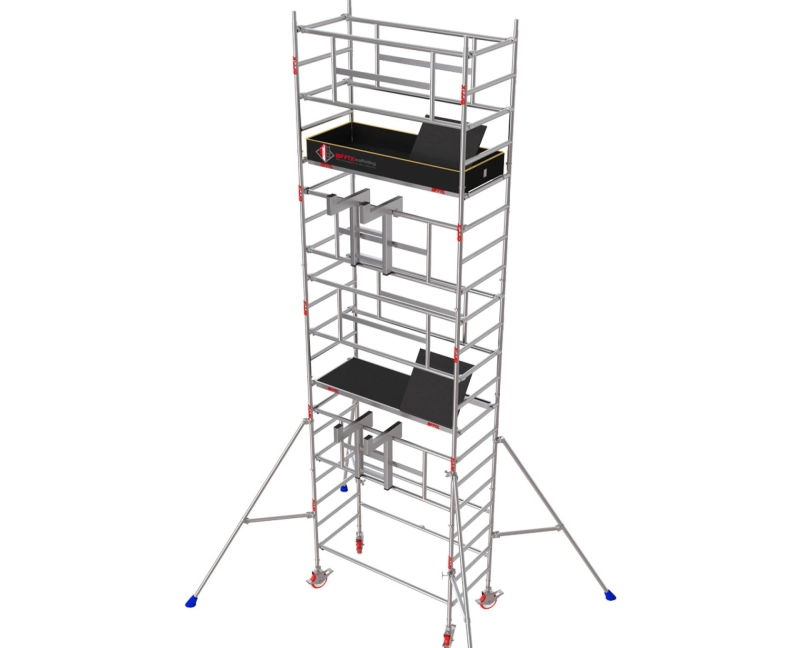
Many facility managers searching for a mobile platform scaffold for sale in Qatar prioritize equipment that ensures flexibility, quick movement, and dependable performance in high-paced environments.
Mobile scaffolding has become a key asset in warehouses because it supports efficient vertical access without disrupting ongoing operations. Its ability to combine mobility with stability makes it suitable for tasks that require frequent repositioning and adaptability.
The Role of Mobile Scaffolding in Warehouse Operations
Warehouses function as dynamic spaces where workers continuously move goods, operate machinery, and manage storage systems. Maintenance tasks often take place alongside these operations, which creates the need for equipment that integrates smoothly into the workflow.
Mobile scaffolds meet this requirement by offering:
- Easy relocation between aisles and work zones
- Compact designs that fit within tight storage layouts
- Stable platforms for safe elevated work
- Minimal interference with daily activities
Maintenance teams rely on these systems to maintain efficiency without slowing down core operations.
Efficient Access to Elevated Storage Areas
High shelving systems define modern warehouses. Workers must access these areas for inspections, repairs, and inventory checks. Mobile scaffolding provides a secure and reliable solution for reaching elevated zones.
Unlike ladders, which offer limited stability, mobile scaffolds provide:
- Wide working platforms for better balance
- Space for tools and materials
- Guardrails that enhance worker safety
- Adjustable heights to match various storage levels
This design reduces risks and improves task accuracy.
Mobility That Matches Workflow Demands
Warehouse layouts often require frequent movement across different sections. Mobile scaffolds feature caster wheels that allow smooth transitions from one location to another.
Workers can:
- Move scaffolds without dismantling them
- Lock wheels securely during use
- Navigate narrow aisles with ease
- Adjust positioning quickly during tasks
This mobility saves time and reduces the physical effort required for repositioning equipment.
Safety as a Core Advantage
Warehouse environments involve constant activity, which increases the risk of accidents. Mobile scaffolding addresses these concerns through built-in safety features.
Key safety elements include:
- Anti-slip platforms that provide secure footing
- Locking systems that prevent unintended movement
- Guardrails that reduce fall risks
- Stable frames that support balanced weight distribution
These features create a safer working environment for maintenance teams.
Supporting Routine and Emergency Maintenance
Warehouse maintenance includes both planned activities and urgent repairs. Mobile scaffolds support both scenarios effectively.
For routine maintenance:
- Workers can schedule inspections and repairs with minimal disruption
- Teams can move equipment systematically across sections
For emergency situations:
- Quick setup allows immediate access to problem areas
- Mobility ensures rapid response across large facilities
This versatility ensures that maintenance teams stay prepared for any situation.
Adaptability to Warehouse Configurations
Warehouses vary in size, layout, and structure. Mobile scaffolding systems adapt to these differences through modular designs and adjustable components.
They allow workers to:
- Customize height and platform size
- Fit scaffolds into confined spaces
- Adjust configurations based on task requirements
This adaptability makes mobile scaffolds suitable for diverse warehouse environments.
Enhancing Worker Productivity
Productivity depends on how efficiently workers complete tasks. Mobile scaffolding improves productivity by reducing delays and simplifying access to work areas.
Workers benefit from:
- Faster setup compared to traditional scaffolding
- Reduced need for repositioning tools and equipment
- Improved comfort during extended tasks
- Better focus due to stable working conditions
These advantages contribute to smoother workflows and consistent output.
Cost-Effective Maintenance Solution
Warehouse managers often evaluate equipment based on long-term value. Mobile scaffolding offers cost efficiency through durability and reduced operational expenses.
Cost-saving factors include:
- Lower labor costs due to faster task completion
- Minimal maintenance requirements
- Long service life with proper care
- Reduced need for additional access equipment
This makes mobile scaffolds a practical investment for warehouse operations.
Key Features That Define Quality Mobile Scaffolds
When selecting mobile scaffolding for warehouse maintenance, professionals focus on features that enhance performance and safety.
Important features include:
- Lightweight yet strong frame construction
- Durable caster wheels with locking mechanisms
- Anti-slip platform surfaces
- Easy assembly and dismantling systems
- Compact storage capability
Each feature plays a role in ensuring reliable and efficient performance.
Reducing Downtime During Maintenance
Downtime can disrupt warehouse operations and impact productivity. Mobile scaffolding helps minimize these interruptions by enabling quick and efficient maintenance.
Teams can:
- Access problem areas without halting operations
- Complete tasks faster due to stable platforms
- Move seamlessly between different sections
This efficiency keeps warehouse activities running smoothly.
Ergonomics and Worker Comfort
Maintenance tasks often involve prolonged periods at height. Mobile scaffolding supports worker comfort through ergonomic design.
Workers experience:
- Reduced strain due to stable platforms
- Better posture during tasks
- Easier handling of tools and materials
- Improved confidence while working at height
Comfort directly influences performance and safety.
Environmental Considerations
Sustainability plays a growing role in equipment selection. Mobile scaffolding contributes to environmentally responsible practices through material efficiency and durability.
Environmental benefits include:
- Long lifespan that reduces waste
- Recyclable materials in many designs
- Reduced need for frequent replacements
- Lower energy consumption during transportation
These factors align with modern sustainability goals.
Maintenance of Mobile Scaffolding
Proper maintenance ensures the longevity and safety of mobile scaffolding systems. Regular inspections and care keep equipment in optimal condition.
Maintenance practices include:
- Checking wheels and locking systems before use
- Inspecting platforms for wear or damage
- Cleaning components to prevent buildup
- Storing scaffolds in dry, secure areas
Consistent upkeep enhances performance and extends service life.
Training and Proper Usage
Even the best equipment requires proper handling. Training ensures that workers use mobile scaffolding safely and effectively.
Training focuses on:
- Correct assembly and dismantling procedures
- Safe movement and positioning techniques
- Load capacity awareness
- Emergency response measures
Well-trained teams reduce risks and improve operational efficiency.
Comparing Mobile Scaffolds with Traditional Access Solutions
Warehouse maintenance teams often compare mobile scaffolds with ladders and fixed scaffolding systems.
Mobile scaffolds stand out because they:
- Offer greater stability than ladders
- Provide mobility unlike fixed scaffolds
- Support multiple workers and tools
- Adapt to different tasks with ease
This combination makes them a preferred choice for many professionals.
Practical Applications in Warehouse Maintenance
Mobile scaffolding supports a wide range of maintenance tasks, including:
- Lighting installation and repairs
- HVAC system maintenance
- Ceiling inspections
- Inventory system adjustments
- Structural repairs
Its versatility ensures that teams can handle various responsibilities using a single solution.
Future Trends in Mobile Scaffolding for Warehouses
Advancements in design and technology continue to shape mobile scaffolding systems. Manufacturers focus on improving safety, efficiency, and usability.
Future developments may include:
- Enhanced locking mechanisms for added safety
- Lighter materials with increased strength
- Integration with smart monitoring systems
- Improved ergonomic designs
These innovations will further enhance the role of mobile scaffolding in warehouse maintenance.
Why Mobile Scaffolding Remains Essential?
Warehouse operations rely on efficiency and safety at every level. Mobile scaffolding supports these priorities by providing reliable access solutions that adapt to changing needs.
Its combination of mobility, stability, and versatility ensures that maintenance teams can perform tasks effectively without compromising safety or productivity.